
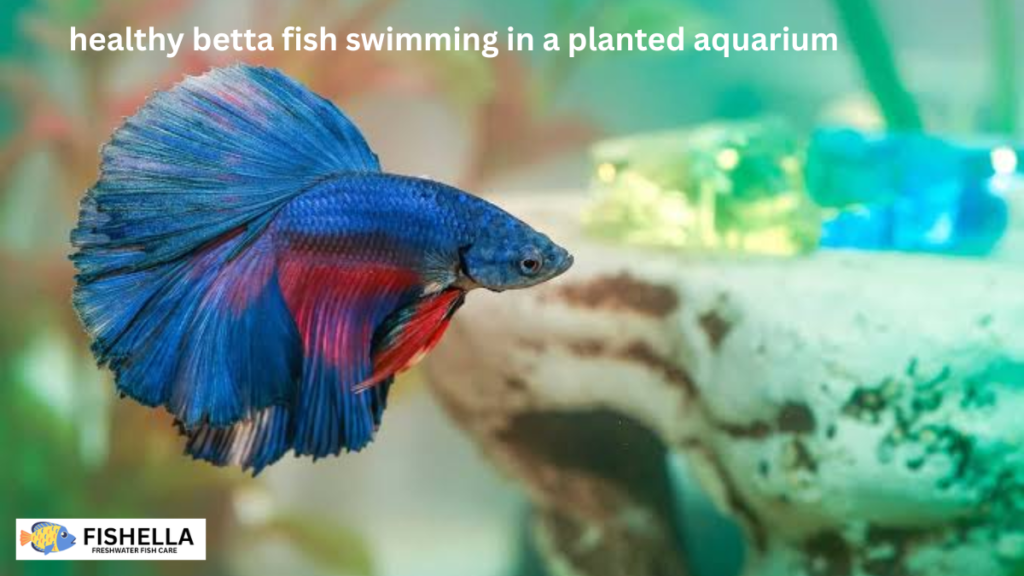
Betta Fish Care: Complete Beginner’s Guide:
If you’ve just brought home a Betta fish, it’s easy to assume that a small bowl, some food, and clean-looking water are all it needs. In reality, good betta fish care is about creating a stable environment where your fish can swim, rest, explore, and behave naturally. Bettas are tropical freshwater fish, and they need appropriate water temperature, good water quality, gentle filtration, suitable food, and enough space to thrive—not simply survive in a decorative container.
The good news is that caring for a Betta doesn’t have to be complicated once you understand the basics. In this beginner-friendly guide, you’ll learn how to choose the right tank, set up a safe and comfortable habitat, maintain healthy water parameters, feed your Betta properly, recognize normal and concerning behavior, and avoid common mistakes that can affect its health. Whether this is your first Betta or you’re improving an existing aquarium, these practical betta fish care tips will help you build a healthier routine with confidence.
Betta Fish Care at a Glance
Before setting up an aquarium, it helps to understand the basic needs of a Betta fish. Good betta fish care depends on stable water conditions, a suitable tank, proper nutrition, and regular maintenance. The following quick guide gives you the key requirements to keep in mind before bringing a Betta home.
| Care Factor | Beginner-Friendly Recommendation |
| Tank size | At least 5 gallons for one Betta; larger tanks can be easier to maintain |
| Water temperature | 76–80°F (24–27°C), kept as stable as possible |
| pH | Around 6.5–7.5; stability is more important than constantly adjusting pH |
| Filtration | Gentle, low-flow filtration |
| Heater | Recommended for maintaining a stable tropical temperature |
| Water changes | Regular partial water changes based on water quality, tank conditions, and stocking |
| Feeding | Small portions once or twice daily, adjusted to the fish and food size |
| Diet | Quality Betta pellets as a staple, with suitable frozen or live foods as occasional variety |
| Lighting | Moderate lighting with a consistent day/night cycle |
| Tank mates | Carefully selected only when the Betta’s temperament and aquarium setup are suitable |
| Lifespan | Often several years with appropriate care |
Quick Tip: A stable, well-maintained aquarium is more important than simply meeting a checklist of numbers. Monitor your Betta’s behavior and test the water regularly so you can respond to changes early.
Understanding Betta Fish Before You Bring One Home
Before bringing a Betta home, it helps to understand what kind of fish you are caring for. The species most commonly kept in home aquariums is Betta splendens, a tropical freshwater fish native to Southeast Asia. Through generations of selective breeding, domestic Bettas have developed the wide range of colors, patterns, and flowing fin shapes commonly seen in aquarium stores today.
Wild Bettas are associated with shallow, slow-moving or stagnant freshwater environments, including wetlands, rice-growing areas, ponds, and small streams. These habitats can have changing water conditions and relatively low oxygen levels. However, a Betta’s ability to survive in challenging natural environments should not be confused with a need for poor aquarium conditions. In a home aquarium, clean and stable water is still essential for long-term health.
One interesting feature of Bettas is their labyrinth organ, which allows them to breathe atmospheric air by taking gulps at the water’s surface. This adaptation helps them survive in oxygen-poor environments, but it does not replace the need for good water quality and appropriate filtration. A healthy aquarium should provide both clean water and easy access to the surface.
Bettas are also known for their territorial behavior. Male Bettas in particular may become aggressive toward other males, which is why they are generally housed separately. Females can also be territorial, and keeping multiple females together is not a beginner-friendly setup. If you are new to Betta keeping, a single Betta in a properly equipped aquarium is often the simplest arrangement.
Quick Betta Fish Facts
- Scientific name: Betta splendens
- Type: Tropical freshwater fish
- Native region: Southeast Asia
- Special adaptation: Labyrinth organ for breathing atmospheric air
- Behavior: Territorial, particularly among males
- Typical lifespan: Several years with good care, although lifespan varies between individual fish and living conditions
Good to Know: A Betta’s ability to breathe air is one of its most fascinating adaptations, but it should never be used as a reason to keep the fish in a small, unfiltered container.
Choosing the Right Betta Fish Tank
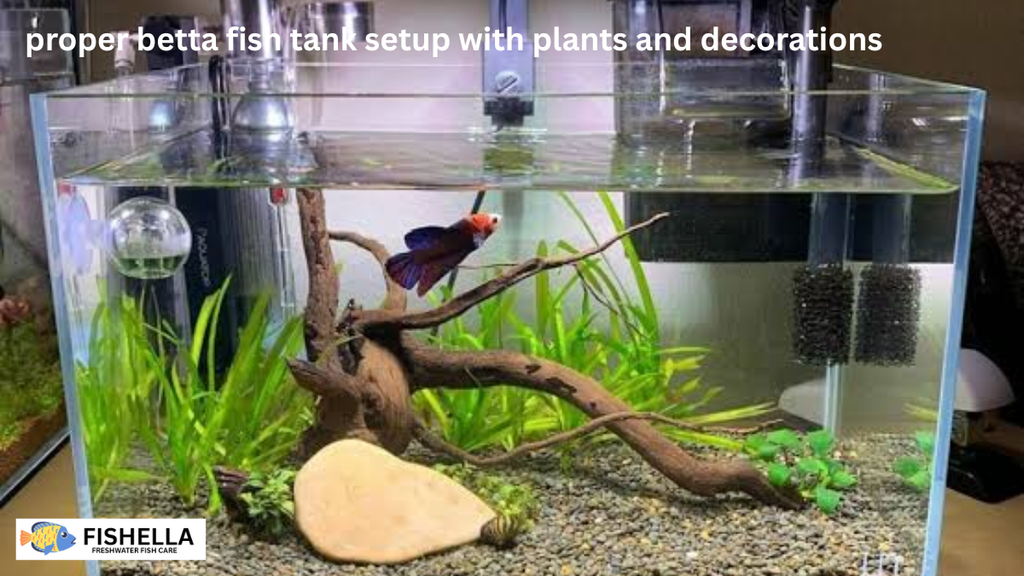
Choosing the right aquarium is one of the most important parts of betta fish care. A larger tank gives your Betta more swimming space and provides more water volume, which can make temperature and water quality easier to keep stable. For a single Betta, 5 gallons is a practical minimum starting point, while a 10-gallon aquarium gives you even more room for plants, hiding places, and a comfortable swimming area.
When choosing a tank, focus on usable space and easy maintenance rather than choosing a container simply because it looks attractive. A rectangular aquarium with good horizontal swimming space is often a practical choice for beginners. Bettas also need regular access to the water’s surface because they can breathe atmospheric air through their labyrinth organ. There is no need to restrict the aquarium to a specific water depth, but avoid unusually deep or awkwardly shaped containers if they make surface access difficult.
Bettas can jump, so a secure lid or hood is a smart addition to the aquarium. The tank should also be placed on a stable, level surface away from direct sunlight, strong vibrations, and heating or air-conditioning vents. These factors can cause unwanted temperature changes or create an unstable environment.
Tiny bowls and decorative containers may look convenient, but they generally provide too little space and water volume for a properly equipped long-term aquarium. They can also make it harder to maintain stable temperature and water quality. A suitable aquarium allows you to use a heater, gentle filtration, plants, and safe hiding places while still leaving enough open space for swimming.
What to Look for in a Betta Tank
- Tank size: At least 5 gallons for one Betta; 10 gallons provides additional space and stability.
- Shape: Choose a practical aquarium with good horizontal swimming space.
- Lid or hood: Helps prevent jumping and reduces evaporation.
- Stable placement: Use a level, sturdy surface away from direct sunlight and temperature drafts.
- Open swimming area: Leave enough space for your Betta to move comfortably.
- Hiding places: Add safe plants, caves, or other aquarium decorations.
- Easy maintenance: Choose a setup that makes water changes and equipment maintenance convenient.
Beginner Tip: A heated and filtered 5–10 gallon aquarium with gentle water flow is a practical starting point for keeping a single Betta. The goal is not simply to give your fish a container, but to create a stable environment where it can swim, rest, explore, and behave naturally.
How to Set Up a Betta Fish Tank Step by Step
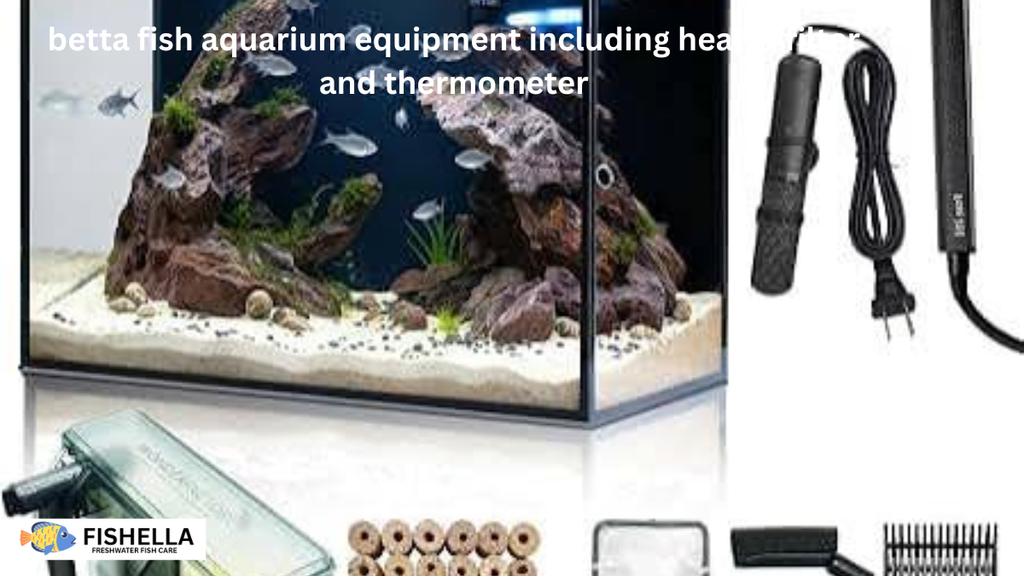
A good Betta aquarium is more than just a tank filled with water. Each piece of equipment has a specific purpose, from maintaining a stable temperature to keeping the water clean and giving your fish places to explore and rest. Setting up the right equipment from the beginning can make daily betta fish care much easier.
Aquarium
For a single Betta, a 5–10 gallon aquarium is a practical choice for beginners. Glass and acrylic tanks can both work well as long as they are designed for aquarium use and placed on a suitable, stable surface. Choose a tank with a secure lid because Bettas can jump, especially when startled or exploring their surroundings.
Aquarium Heater
Bettas are tropical fish and generally need consistently warm water. An adjustable aquarium heater allows you to maintain a suitable temperature, with around 76–80°F (24–27°C) being a commonly used range for Betta splendens.
Choose a heater appropriate for the size of your aquarium and always follow the manufacturer’s installation instructions. A heater should be paired with a thermometer so you can check the actual water temperature rather than relying only on the heater’s setting.
Gentle Filter
Filtration helps remove waste and supports the beneficial bacteria that are essential to the aquarium’s nitrogen cycle. Bettas, however, are not strong swimmers, so excessive water movement can make them uncomfortable.
A low-flow filter or properly adjusted sponge filter can be a good option. If the current is too strong, use an adjustable flow setting, a sponge pre-filter, or another suitable method to reduce the water movement.
Thermometer
A reliable aquarium thermometer lets you monitor water temperature and notice problems before they affect your fish. Place it where you can easily read it and check it regularly, especially if your room temperature changes throughout the year.
Water Conditioner
Tap water may contain chlorine or chloramine, which can be harmful to fish and beneficial aquarium bacteria. Use an aquarium water conditioner according to the product’s instructions whenever you add tap water to the aquarium.
Substrate
Smooth gravel or aquarium-safe sand can provide a natural-looking base and support plants and decorations. Rinse new substrate thoroughly before adding it to the aquarium. Avoid materials with sharp edges that could injure your Betta’s delicate fins.
Live or Silk Plants
Plants provide cover, resting areas, and environmental enrichment. Live plants can be an excellent choice when their care requirements match your aquarium, while quality silk plants are a simple alternative.
Avoid sharp or rough plastic plants that can snag or tear long Betta fins.
Hiding Places and Decorations
Bettas benefit from having secure areas where they can rest or retreat. Aquarium-safe caves, smooth driftwood, and suitable decorations can create useful hiding spots.
Arrange decorations so that your Betta has both sheltered areas and open swimming space. Check every decoration for sharp edges before placing it in the tank.
Aquarium Light
A simple aquarium LED light is usually enough for a Betta setup, particularly when plants are involved. Bettas need a regular day-and-night cycle, so avoid leaving the aquarium light on continuously.
A timer can make it easier to maintain a consistent lighting schedule and prevent excessive algae growth.
Before Adding Anything to the Tank
Before introducing your Betta, check that:
- All equipment is designed for aquarium use.
- The heater and filter are appropriate for your tank size.
- Decorations have no sharp or rough edges.
- The filter flow is gentle enough for your Betta.
- Tap water has been treated with an appropriate water conditioner.
- The aquarium is properly cycled before adding the fish.
Beginner Tip: Don’t buy equipment based only on appearance. A sim
Why Cycling a Betta Fish Tank Matters
Before adding a Betta fish to a new aquarium, it’s important to understand the aquarium nitrogen cycle. Cycling allows beneficial bacteria to establish themselves in the filter and other surfaces of the tank. These bacteria help process toxic waste produced by fish and decomposing organic matter, making the aquarium safer and more stable over time.
Understanding Ammonia, Nitrite, and Nitrate
Fish waste, uneaten food, and other decaying organic material can release ammonia into the water. In a functioning biological filter, beneficial bacteria convert ammonia into nitrite, which is also toxic to fish. Another group of bacteria then converts nitrite into nitrate.
Nitrate is considerably less toxic than ammonia and nitrite, but it can still become harmful when allowed to accumulate at high levels. Regular water testing and appropriate water changes help keep nitrate under control.
Why New Tanks Can Be Dangerous
A new aquarium may look perfectly clean and clear while still containing dangerous levels of ammonia or nitrite. Clear water does not necessarily mean that the tank is biologically ready for fish.
Cycling gives the aquarium time to develop the beneficial bacterial community needed to process fish waste. This is why simply filling a tank with water and running the filter for a day or two does not fully cycle the aquarium.
Fishless Cycling Is Safer
For beginners, fishless cycling is generally the safer approach because it allows you to establish beneficial bacteria without exposing a Betta to toxic ammonia and nitrite. An appropriate ammonia source can be added to the aquarium, while an established beneficial bacteria source may help speed the process.
The exact cycling time can vary depending on the aquarium, temperature, filter, and bacterial source. Instead of relying on a fixed number of days, use water tests to determine when the biological filter is working properly.
Test the Water During and After Cycling
A liquid test kit or reliable aquarium test method can help you monitor the nitrogen cycle. During cycling, test regularly and keep a simple record of your results so you can see how ammonia, nitrite, and nitrate change over time.
Before adding your Betta, the aquarium should be properly cycled, with ammonia and nitrite at 0 ppm and nitrate controlled through appropriate maintenance.
Beginner Tip: Never judge a new aquarium by appearance alone. Water can look crystal clear while ammonia or nitrite levels are still dangerous.
Betta Fish Water Temperature and Parameters
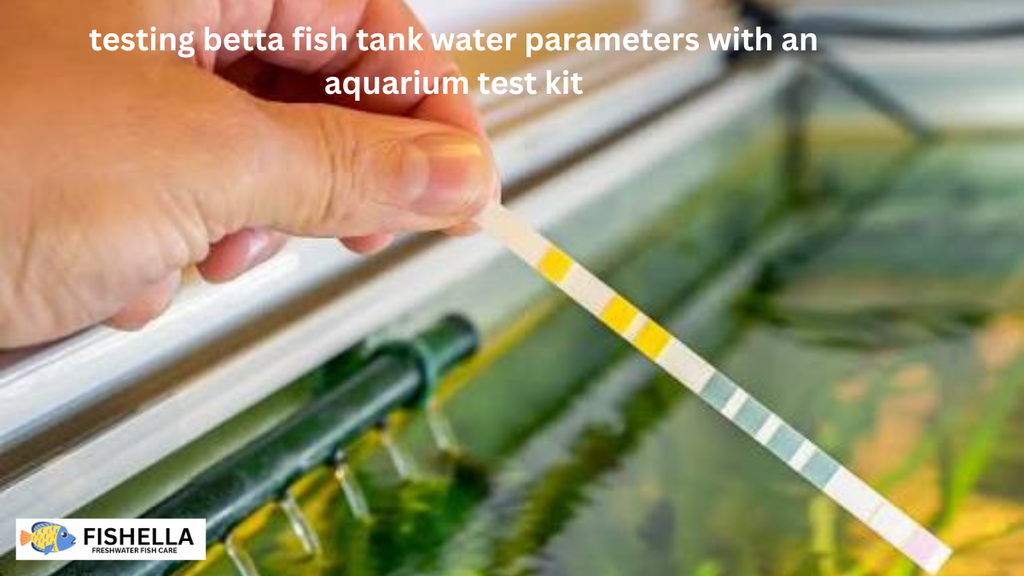
Stable water conditions are one of the most important parts of betta fish care. Bettas are tropical freshwater fish, so they need warm, clean water with consistent parameters. You don’t need to chase a perfect number every day; maintaining stable conditions and avoiding sudden changes is generally more important.
Ideal Betta Fish Water Temperature
Keep the aquarium temperature around 76–80°F (24–27°C). An adjustable aquarium heater and a separate thermometer can help maintain a consistent temperature, especially when room temperatures fluctuate.
Avoid sudden temperature changes, as rapid shifts can stress your Betta and negatively affect its health.
Recommended Water Parameters
For a typical Betta aquarium, these are useful target ranges:
| Parameter | Recommended Target |
| Temperature | 76–80°F (24–27°C) |
| pH | Around 6.5–7.5 |
| Ammonia | 0 ppm |
| Nitrite | 0 ppm |
| Nitrate | Ideally below 20 ppm |
A stable pH within a suitable range is usually preferable to repeatedly adjusting the water to reach a specific number. If your source water has a naturally suitable and stable pH, avoid making unnecessary changes.
Why Water Stability Matters
Bettas can tolerate some variation in water chemistry, but sudden changes in temperature or other parameters can cause stress. Consistent water quality, proper filtration, and regular maintenance help create a healthier environment.
The goal is not to constantly manipulate the water. Instead, focus on maintaining a stable aquarium and correcting problems gradually when testing shows that something is wrong.
How to Test Betta Fish Tank Water
Use a reliable aquarium water test kit and follow the manufacturer’s instructions carefully. Testing is especially important in a new aquarium, after adding fish, following unusual changes in the tank, or when your Betta shows signs of stress or illness.
Regular testing can help you identify problems before they become serious. Keeping a simple record of your results can also make it easier to notice trends over time.
What to Do When Water Parameters Are Abnormal
If ammonia or nitrite is above 0 ppm, or nitrate has become higher than your preferred maintenance range, investigate the cause rather than simply adding chemicals.
Consider these steps:
- Perform an appropriate partial water change using properly conditioned water.
- Check that the heater is working and maintaining a stable temperature.
- Make sure the filter is operating correctly and has adequate biological media.
- Look for uneaten food, dead plant material, or other sources of excess waste.
- Review your feeding routine and avoid overfeeding.
- Test your tap or source water to see whether it is contributing to the problem.
- Continue testing until the parameters return to a stable, acceptable range.
Beginner Tip: A reliable thermometer and regular water testing are two simple tools that can make Betta care much easier. Stable, clean water is more important than constantly trying to achieve “perfect” numbers.
What Do Betta Fish Eat?
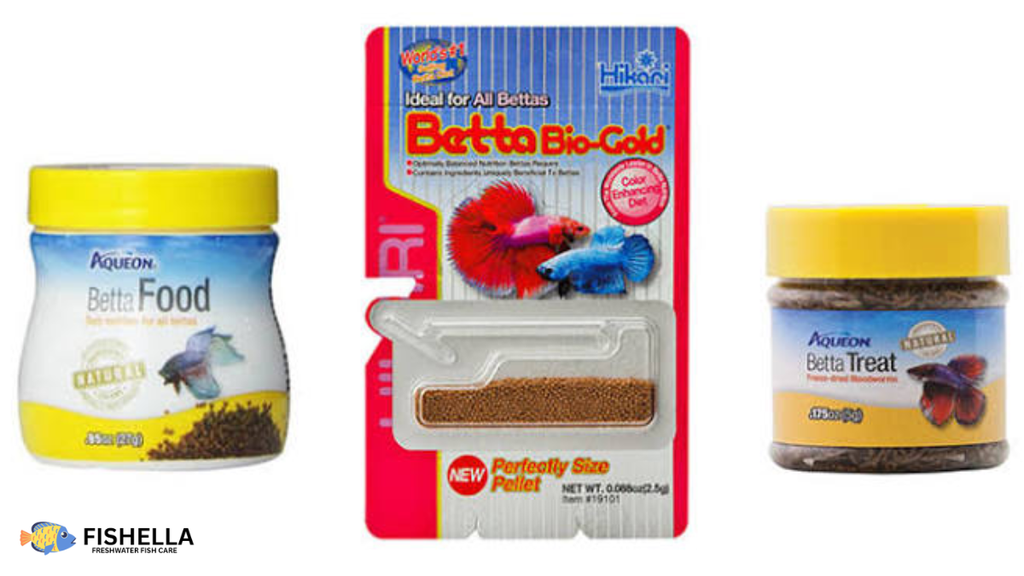
Bettas are carnivorous fish that naturally eat small aquatic animals and other protein-rich foods. A good Betta diet should provide plenty of high-quality protein without relying on a single food all the time. For most home aquariums, a quality Betta pellet can serve as the main food, while frozen or live foods can add variety.
High-Quality Betta Pellets
A quality Betta pellet is a convenient staple food for everyday feeding. Look for a product formulated specifically for Bettas or other carnivorous tropical fish, with a protein-rich ingredient profile and appropriate pellet size.
Because pellet sizes and formulas vary between brands, avoid following a fixed number of pellets without considering their size and your fish’s needs. Feed a small portion that your Betta can consume promptly, and remove uneaten food when necessary.
Frozen Foods
Frozen foods can provide variety and are useful as an occasional supplement to a pellet-based diet. Common options include:
- Brine shrimp
- Bloodworms
- Daphnia
Thaw a small portion before feeding and avoid adding more food than your Betta can reasonably eat. Frozen foods should complement the staple diet rather than completely replace it.
Live Foods
Live foods such as daphnia or mosquito larvae can provide enrichment and encourage natural hunting behavior. However, they are not required for a Betta to have a healthy diet.
If you choose live food, use a reputable source rather than collecting insects or aquatic organisms from unknown outdoor locations. Wild-caught foods may introduce parasites, pathogens, or unwanted contaminants into your aquarium.
Protein and Dietary Variety
Bettas benefit from a protein-rich diet because animal-based foods are an important part of their natural feeding habits. Providing appropriate variety can also make feeding more interesting, but variety does not mean constantly changing foods or offering large amounts of treats.
A simple approach is to keep a quality Betta pellet as the nutritional foundation and occasionally offer suitable frozen or live foods.
Foods to Avoid
Not every fish food is equally suitable for Bettas. Avoid making low-quality flakes, heavily filler-based foods, or inappropriate human foods a regular part of their diet.
You should also avoid:
- Foods that are poorly suited to carnivorous Bettas.
- Excessive treats that can contribute to overfeeding.
- Large food pieces that your Betta struggles to eat.
- Live insects or aquatic organisms collected from unknown sources.
- Leaving uneaten food in the aquarium, where it can contribute to water-quality problems.
Staple Food vs. Occasional Treats
The easiest feeding strategy for beginners is to think of the diet in two categories:
| Food Type | Role |
| Quality Betta pellets | Main staple food |
| Frozen brine shrimp | Occasional variety |
| Frozen bloodworms | Occasional treat |
| Daphnia | Occasional supplement |
| Suitable live foods | Optional variety and enrichment |
Beginner Tip: You don’t need an expensive or complicated feeding routine. A quality Betta pellet as the staple food, combined with occasional suitable frozen or live foods, can provide a practical and varied diet.
How Often Should You Feed a Betta Fish?
For most adult Bettas, feeding once or twice a day is a practical routine. The exact amount depends on the size of the food, the fish’s body condition, activity level, and appetite. Instead of following a fixed number of pellets, start with a small portion and adjust it based on how your Betta responds.
A good feeding routine should provide enough nutrition without regularly leaving food behind. Overfeeding is one of the more common problems in home aquariums because uneaten food can break down and contribute to poor water quality.
How Much Should You Feed?
Pellets come in different sizes and formulations, so there is no universal number of pellets that is correct for every Betta. Feed a small portion that your fish can eat promptly, and observe its body condition over time.
As a general approach:
- Start with a small portion at each feeding.
- Consider the size of the pellets rather than counting pellets alone.
- Watch your Betta’s body condition and appetite.
- Adjust the amount if food is consistently left uneaten.
- Avoid adding extra food simply because your Betta continues looking for food.
Why Overfeeding Is a Problem
Too much food can contribute to digestive problems and excess waste in the aquarium. Uneaten food can also break down and increase the amount of organic waste, which may contribute to ammonia and other water-quality problems.
Possible signs that your feeding routine needs adjustment include:
- Food regularly remaining in the aquarium.
- Increasing waste or deteriorating water quality.
- Persistent bloating or an unusually swollen abdomen.
- A noticeable change in your Betta’s normal body condition.
Cloudy water or rapid breathing should not automatically be blamed on overfeeding, however. These signs can have several possible causes, including water-quality or health problems, so test the aquarium water if they occur.
What About Uneaten Food?
If food remains uneaten after feeding, remove it rather than allowing it to decompose in the aquarium. A small aquarium net or siphon can make this easy.
You may see recommendations to remove food after exactly five minutes, but the more important principle is to avoid leaving uneaten food in the tank. Bettas and different types of food vary in how quickly they eat.
Does a Betta Need a Fasting Day?
A weekly fasting day is not required for every Betta. Some keepers occasionally skip a feeding as part of their routine, but there is no need to follow a strict fasting schedule if your fish is healthy and receiving an appropriate diet.
Rather than relying on fasting as a solution for overfeeding, focus first on providing appropriately sized portions and maintaining good water quality.
A Simple Feeding Schedule
For beginners, consistency is more useful than a complicated schedule. For example, you might feed a small portion once in the morning and once in the evening, while adjusting the amount according to your Betta’s condition and the food being used.
The goal is not to follow a rigid pellet count. The goal is to provide appropriate nutrition while preventing regular overfeeding and excess food from entering the aquarium.
Beginner Tip: If you’re unsure how much to feed, start conservatively. It is usually easier to adjust a small feeding routine than
Betta Fish Behavior: What Is Normal?
Understanding your Betta’s normal behavior makes it easier to notice when something changes. Healthy Bettas can be active and curious, but they also spend periods resting. Their behavior may change throughout the day depending on lighting, feeding time, tank conditions, and individual temperament.
Swimming Around the Tank
A Betta may regularly swim around its aquarium, investigate decorations, and explore different areas of the tank. This type of movement is generally normal, especially when the fish is adjusting to a new environment.
A Betta does not need to be constantly swimming to be healthy. Periods of slower activity and rest are normal.
Resting and Sleeping
Bettas rest at different points during the day and may remain still for short periods. They may rest on broad plant leaves, decorations, or other comfortable surfaces near the water’s surface.
If your Betta is resting occasionally but becomes active at other times and continues eating normally, this is generally less concerning than persistent inactivity.
Exploring the Aquarium
Curiosity is common Betta behavior. Your fish may investigate plants, decorations, open swimming areas, or changes in the aquarium. Bettas may also become more active when you approach the tank, particularly if they associate you with feeding.
Flaring
Flaring occurs when a Betta spreads its fins and extends its gill covers. It is commonly associated with territorial or threat displays and may happen when the fish sees its reflection or another Betta.
Occasional flaring is normal and does not automatically mean that your fish is distressed. However, constantly exposing a Betta to another territorial fish or its reflection is not a good setup.
Bubble Nests
Male Bettas sometimes build bubble nests at the surface of the aquarium. This is a normal reproductive behavior and can occur even when no female is present.
A bubble nest by itself does not prove that a Betta is healthy, happy, or ready to breed. Look at the fish’s overall behavior, appetite, appearance, and water conditions instead.
Hiding
Some hiding is normal, particularly when a Betta has recently been introduced to a new aquarium. Providing plants, caves, and other safe hiding areas can help your fish feel secure.
If your Betta suddenly starts hiding much more than usual, however, check the aquarium conditions and look for other changes in behavior or appearance.
Approaching the Front of the Tank
Many Bettas learn to associate their owner with feeding and may swim toward the front of the aquarium when someone approaches. This can be a normal response to a familiar routine.
Some Bettas are naturally more interactive than others, so differences in personality are normal.
Resting Near Plants
Bettas may rest on broad plant leaves or among aquarium plants. Plants can provide cover and resting areas while also making the aquarium feel more secure.
Make sure plants and decorations are aquarium-safe and do not have sharp edges that could damage delicate fins.
When Should You Be Concerned?
A single unusual behavior does not always indicate illness. What matters most is a persistent or noticeable change from your Betta’s normal behavior.
Pay closer attention if you notice:
- Persistent lethargy or very little movement.
- Excessive hiding that is different from the fish’s usual behavior.
- Loss of appetite.
- Significant or persistent color changes.
- Clamped or deteriorating fins.
- Difficulty swimming or maintaining normal position.
- Rapid breathing or unusual surface behavior.
- Other visible changes to the body, fins, or skin.
If these signs appear, check your water parameters first and look for other environmental or health-related causes.
Beginner Tip: Learn your Betta’s normal routine during the first few weeks. Knowing how your fish normally swims, eats, rests, and reacts to you makes it much easier to recognize meaningful changes later.
Signs of a Healthy Betta Fish
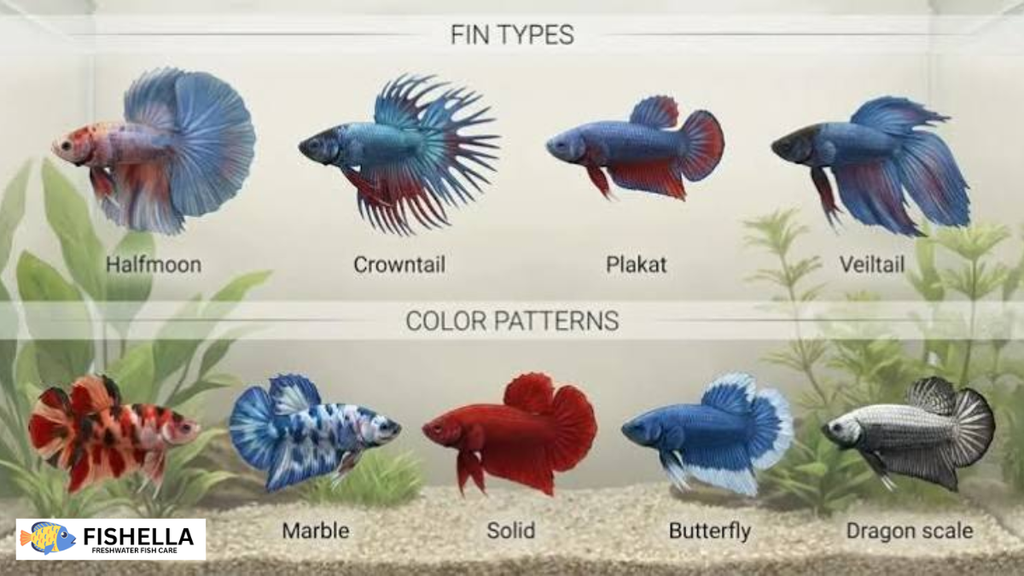
A healthy Betta will usually show a combination of normal behavior, good appetite, clear appearance, and steady swimming. However, there is no single sign that can confirm a fish is completely healthy. Individual Bettas have different personalities and activity levels, so it is more useful to learn what is normal for your own fish and watch for meaningful changes over time.
Active and Responsive Behavior
A healthy Betta is generally alert and responsive to its surroundings. It may explore the aquarium, react to movement outside the tank, and become more active around feeding time.
Activity levels can vary throughout the day, so occasional resting is normal. What matters more is whether your Betta remains consistently responsive and behaves similarly to its usual routine.
Good Appetite
A healthy Betta will generally show interest in food and eat regularly. A temporary change in appetite can happen for several reasons, but persistent refusal to eat deserves closer attention.
If your Betta suddenly stops eating, check the water parameters and look for other changes in behavior or appearance rather than assuming the problem is simply picky eating.
Clear Eyes and Healthy Fins
The eyes should generally appear clear and free from obvious cloudiness, swelling, or unusual growths. The fins should also look reasonably intact for the individual fish.
Small differences in fin shape can be normal, particularly among different Betta varieties. Look for sudden deterioration, unexplained tears, discoloration, or other changes that were not previously present.
Normal Coloration
A healthy Betta often displays clear, vibrant coloration, but color naturally varies between fish and can change somewhat with age, lighting, mood, or environmental conditions.
A sudden or significant loss of color, especially when combined with reduced appetite or unusual behavior, is more useful as a warning sign than simply comparing one Betta’s color with another.
Normal Swimming and Buoyancy
A healthy Betta should generally be able to swim and maintain its position in the water without obvious difficulty. Occasional resting is normal, but persistent difficulty staying upright, sinking, floating uncontrollably, or struggling to move normally can indicate a problem.
Watch your Betta during both active periods and feeding time to understand its usual swimming pattern.
No Unexplained Spots or Lesions
The skin and fins should not have unexplained growths, sores, lesions, or unusual patches. Some markings may be part of a Betta’s natural coloration, so changes should be considered alongside the fish’s overall condition and behavior.
If you notice a new spot or lesion, check water quality and monitor whether the area changes or whether additional symptoms appear.
Compare Your Betta With Its Own Baseline
Every Betta is different. One fish may be highly active and interactive, while another may spend more time resting or hiding. These differences do not automatically mean that one fish is healthier than the other.
The most useful approach is to establish your Betta’s normal baseline and look for persistent changes in appetite, activity, swimming, coloration, or appearance.
Beginner Tip: Spend a few minutes observing your Betta each day. Small changes are much easier to notice when you already know how your fish normally behaves.
Common Signs of Stress or Illness
Changes in your Betta’s behavior or appearance can sometimes indicate stress, poor water quality, or an underlying health problem. However, many symptoms have more than one possible cause, so a single sign should not be used to diagnose a specific disease.
The most useful approach is to compare your fish with its normal behavior and check the aquarium conditions whenever you notice a persistent change.
Loss of Appetite
A Betta that suddenly becomes reluctant to eat or repeatedly refuses food may be experiencing stress or a health problem. Changes in water temperature, water quality, environment, or feeding routine can also affect appetite.
If your Betta stops eating for an extended period or develops other symptoms, investigate the tank conditions and consider seeking professional fish-health advice.
Clamped Fins
Clamped fins occur when a Betta holds its fins unusually close to its body instead of displaying them normally. This can be associated with stress, poor water conditions, or illness.
If clamped fins persist, test the aquarium water and look for other changes in behavior or appearance.
Excessive Hiding
Occasional hiding is normal, especially after moving a Betta into a new aquarium. However, suddenly spending most of the time hidden or showing much less interest in exploring can be a warning sign.
Check the water parameters, temperature, filtration, lighting, and overall tank environment before assuming that your fish has a specific illness.
Rapid Breathing or Surface Gasping
Rapid breathing or repeatedly gasping at the surface can indicate a problem with water quality, oxygen availability, temperature, or the fish’s health. Bettas can naturally visit the surface to breathe atmospheric air because they have a labyrinth organ, so occasional surface visits are not automatically concerning.
Persistent or unusual gasping should prompt you to check the water parameters and aquarium conditions promptly.
Lethargy
A Betta that becomes unusually inactive, moves very little, or stops responding to its surroundings may be experiencing stress or illness. Some resting is normal, so the key is a noticeable and persistent change from your fish’s usual activity level.
White Spots
White spots can have several possible causes. Small white spots combined with other symptoms may be associated with ich (white spot disease), but appearance alone is not enough to make a reliable diagnosis.
If you notice new spots, observe their pattern and check for other symptoms such as rubbing against objects, reduced appetite, or changes in swimming behavior.
Fin Deterioration
Ragged, damaged, or progressively deteriorating fins can result from several factors, including physical damage, poor water quality, or disease. Look for changes that develop over time rather than assuming every uneven fin edge indicates illness.
Maintaining good water quality and checking decorations for sharp edges can help reduce common causes of fin damage.
Unexplained Swelling or Bloating
An unusually swollen abdomen can have different possible causes, including overeating, digestive issues, or illness. A slightly fuller appearance after feeding may not be abnormal, but persistent or severe swelling should be taken seriously, especially when accompanied by other changes.
When to Seek Professional Help
One symptom alone does not always indicate a serious health problem. However, multiple symptoms occurring together, symptoms that are getting worse, or significant changes that persist should be investigated promptly.
Before attempting treatment:
- Test ammonia, nitrite, nitrate, pH, and temperature.
- Check that the heater and filter are working correctly.
- Review recent changes to the aquarium.
- Look for possible sources of injury or poor water quality.
- Avoid using medications based only on a guessed diagnosis.
If your Betta has multiple concerning symptoms or its condition is deteriorating, consult an aquatic veterinarian or qualified fish-health professional for appropriate guidance.
Beginner Tip: Treat unusual symptoms as a reason to investigate, not as an immediate diagnosis. Check the water first, observe the fish carefully, and consider the complete set of symptoms before deciding what to do next.
How to Clean and Maintain a Betta Fish Tank
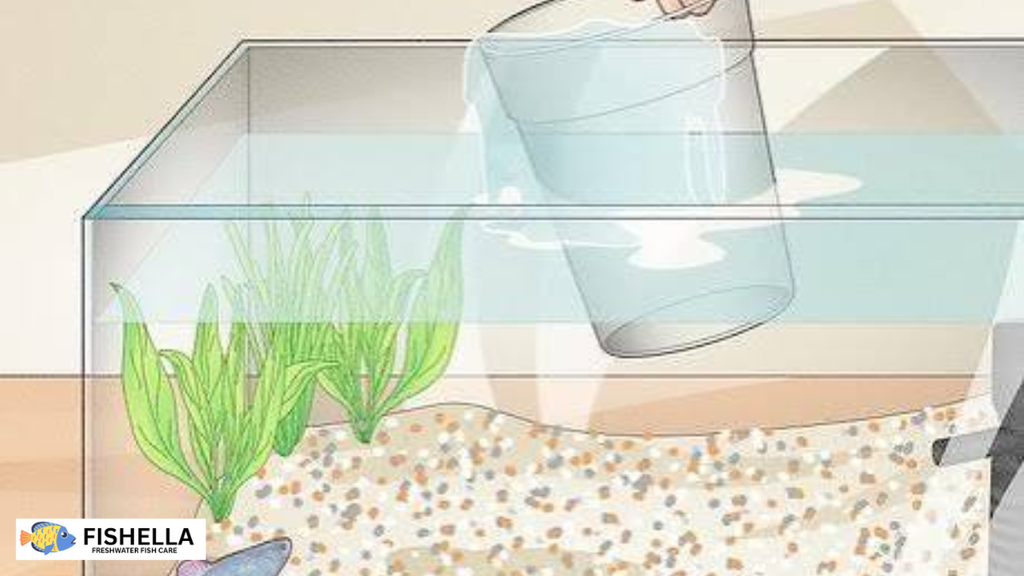
Regular aquarium maintenance is an important part of betta fish care. A clean-looking tank is not necessarily a healthy tank, so maintenance should focus on water quality, waste removal, equipment, and your Betta’s overall condition.
You don’t need to completely clean the aquarium every week. A consistent routine of observation, water testing, partial water changes, and equipment checks is usually a better approach.
Daily Betta Fish Tank Maintenance
Daily care only takes a few minutes. Use this time to observe your Betta and make sure the aquarium equipment is working normally.
A simple daily check includes:
- Observe your Betta’s swimming, appetite, and general behavior.
- Check the aquarium temperature with a reliable thermometer.
- Make sure the heater and filter are operating normally.
- Remove obvious uneaten food or visible waste when necessary.
- Look for sudden changes in water clarity, fish appearance, or behavior.
Regular observation helps you notice problems early, before they become more difficult to manage.
Weekly Tank Maintenance
Water testing should be part of your regular routine, particularly in newer aquariums or tanks where water parameters have been unstable. Test ammonia, nitrite, nitrate, pH, and temperature as appropriate for your setup.
Partial water changes can help remove accumulated waste and keep water conditions stable. The amount and frequency should depend on your test results, tank size, stocking, feeding, and overall water quality rather than following one fixed percentage for every aquarium.
During your weekly routine, also:
- Inspect the Betta for changes in appearance or behavior.
- Check the filter and heater for normal operation.
- Remove visible debris from the substrate when needed.
- Check plants and decorations for damage or excessive buildup.
- Refill the aquarium with appropriately conditioned water when performing a water change.
Monthly and Periodic Maintenance
Some maintenance tasks do not need to be performed every week. Inspect filter components and other equipment periodically, following the manufacturer’s cleaning and replacement recommendations.
When cleaning filter media, avoid unnecessarily replacing all biological media at once because beneficial bacteria live on filter surfaces. If cleaning is needed, use an appropriate method that helps preserve the established biological filtration.
Also inspect decorations, plants, tubing, and other equipment for algae buildup, damage, or anything that could potentially injure your Betta.
Why You Should Avoid Replacing All the Water
A complete water replacement is usually unnecessary for routine aquarium maintenance. Large changes in water chemistry or temperature can stress fish, and aggressively cleaning the entire aquarium can disturb established biological filtration.
Partial water changes allow you to remove pollutants while maintaining greater stability in the aquarium. The replacement water should be properly conditioned and reasonably close to the aquarium’s existing temperature.
Keep a Simple Maintenance Schedule
A written checklist can make aquarium maintenance much easier, especially if you have several tasks to remember. Record water-test results, water changes, filter maintenance, and any unusual observations.
A simple routine might look like this:
| Task | Routine |
| Observe Betta | Daily |
| Check temperature | Daily |
| Remove obvious uneaten food | Daily/as needed |
| Test water | Regularly, based on tank conditions |
| Partial water change | As indicated by water quality and maintenance needs |
| Check equipment | Weekly and as needed |
| Inspect filter components | Periodically |
| Inspect plants and decorations | Periodically |
Beginner Tip: Consistency matters more than complicated cleaning routines. A few minutes of regular observation and maintenance can help you catch water-quality or equipment problems before they seriously affect your Betta.
Betta Fish Tank Mates: Can Bettas Live With Other Fish?
Bettas are often kept alone because they can be territorial, and some individuals may become aggressive toward other fish. While a Betta can sometimes live successfully in a community aquarium, adding tank mates is not automatically safe. The result depends on the Betta’s temperament, aquarium size, tank layout, and the species being considered.
For many beginners, keeping one Betta by itself is the simplest option. A well-maintained aquarium with plants, hiding places, and enough swimming space can provide plenty of enrichment without introducing the additional risks that come with tank mates.
Male and Female Betta Considerations
Male Bettas should not be housed with other male Bettas because territorial aggression can result in serious injury or death.
Female Bettas can also be territorial. Although groups of females are sometimes kept in specialized setups, this is generally not a beginner-friendly arrangement because aggression and social dynamics can be difficult to manage.
Choose Tank Mates Carefully
If you decide to keep a Betta with other aquatic animals, the aquarium should provide enough space and cover for different animals to establish their own areas.
Avoid species that are likely to create conflict, particularly:
- Aggressive or highly territorial fish.
- Fast-moving species that constantly stress or outcompete the Betta.
- Known fin-nippers.
- Fish with very long, flowing fins that may trigger territorial behavior.
- Species that require significantly different water conditions.
A larger, well-planted aquarium generally gives tank mates more room to avoid each other than a small, sparsely decorated aquarium.
Potential Tank Mate Options
Some peaceful, small aquatic species may work with certain Bettas when the aquarium is appropriately sized and the individual fish is compatible. Small shrimp and snails can also be possible tank mates, but they are not guaranteed to be safe.
A Betta may hunt or eat small shrimp, particularly juveniles, and some Bettas may repeatedly harass them. Snails are often more resilient, but individual Betta behavior still matters.
The important point is that there is no universally guaranteed Betta tank mate. A species that works well with one Betta may not work with another.
Individual Temperament Matters
Betta personalities can vary significantly. One fish may largely ignore other inhabitants, while another may chase or attack them.
After introducing a potential tank mate, watch the aquarium closely for signs of persistent chasing, biting, fin damage, hiding, or stress. Be prepared to separate the animals if the arrangement becomes unsafe.
How to Introduce Tank Mates
Before adding a new animal, make sure the aquarium is fully established and suitable for all species involved. Rearranging some plants or decorations can also help reduce existing territorial behavior by changing established territories.
When introducing a tank mate:
- Acclimate the new animal gradually according to its transport and temperature requirements.
- Provide plenty of plants, caves, or other hiding areas.
- Make sure there is enough open space for swimming.
- Observe the Betta and the new tank mate closely after introduction.
- Separate them immediately if persistent aggression or injury occurs.
Beginner Tip: If you’re new to Betta keeping, keeping your Betta alone is often the easiest way to reduce compatibility problems. If you choose tank mates, research the specific species and have a backup plan in case your Betta is territorial.
10 Common Betta Fish Care Mistakes Beginners Make
Many Betta health problems can be prevented by getting a few basic care practices right from the beginning. New keepers often focus on feeding and appearance while overlooking water quality, temperature, filtration, and aquarium maintenance.
Here are 10 common mistakes to avoid when setting up and maintaining a Betta aquarium.
1. Keeping a Betta in an Unsuitable Bowl
Small decorative bowls may look convenient, but they often provide limited space and make it difficult to maintain stable temperature and water quality. They also typically lack adequate filtration and heating.
A properly equipped aquarium gives your Betta a more stable and manageable environment. A tank of at least 5 gallons is a practical starting point for one Betta.
2. Skipping the Nitrogen Cycle
Adding a Betta to a completely new, uncycled aquarium can expose the fish to dangerous ammonia and nitrite levels. Clear-looking water does not mean that the aquarium is biologically ready.
Allow beneficial bacteria to become established before adding your fish, and use water testing to confirm that the aquarium is properly cycled.
3. Not Using a Heater
Bettas are tropical fish and generally do best in consistently warm water. Room temperatures can fluctuate significantly, especially overnight or during seasonal changes.
An adjustable aquarium heater combined with a reliable thermometer can help maintain a stable temperature around 76–80°F (24–27°C).
4. Using Excessive Filter Flow
Strong water movement can make swimming difficult for a Betta, particularly for varieties with long or flowing fins. A filter should provide biological filtration without creating an unnecessarily strong current.
Choose a gentle filter or reduce the flow when possible. If your Betta constantly struggles against the current or avoids parts of the aquarium because of water movement, reassess the filter setup.
5. Overfeeding
Feeding too much can contribute to digestive problems and excess waste. Uneaten food also decomposes and can contribute to water-quality problems.
Feed small portions appropriate for the size of your Betta and the food being used. Remove uneaten food when necessary and avoid adding extra food simply because your fish continues begging.
6. Overcrowding the Aquarium
Adding too many fish or aquatic animals can increase waste production, reduce available space, and create territorial conflicts. Bettas can also be aggressive toward certain tank mates.
Keep stocking appropriate for the aquarium’s size and filtration capacity. Remember that adding another animal is not necessary for a Betta to have an enriched environment.
7. Adding Untreated Tap Water
Tap water may contain chlorine or chloramine, which can be harmful to fish and beneficial aquarium bacteria. Water used for aquarium changes should therefore be treated with an appropriate water conditioner according to the product’s instructions.
Do not assume that water is safe simply because it is suitable for human consumption.
8. Neglecting Regular Water Changes
A functioning filter does not eliminate the need for water changes. Waste products and dissolved substances can accumulate over time even when the aquarium looks clean.
Test the water regularly and perform appropriate partial water changes based on your aquarium’s conditions. Use properly conditioned replacement water and avoid sudden changes in temperature or water chemistry.
9. Using Sharp Decorations
Rough rocks, sharp plastic decorations, or damaged ornaments can tear delicate Betta fins or cause other injuries.
Before adding any decoration, check it carefully for sharp or abrasive edges. Choose aquarium-safe materials and provide plants or hiding places that allow your Betta to move around without constantly rubbing against rough surfaces.
10. Ignoring Early Signs of Stress or Illness
Changes in appetite, swimming, activity, coloration, fins, or breathing can sometimes indicate a problem. Waiting until symptoms become severe can make it more difficult to identify and correct the underlying cause.
When you notice a significant change, start by checking the water parameters and aquarium equipment. Avoid diagnosing or medicating based on a single symptom alone, and seek professional fish-health guidance when multiple or persistent symptoms occur.
A Simple Way to Avoid These Mistakes
Good betta fish care does not require a complicated routine. Focus on the fundamentals:
- Provide an appropriately sized aquarium.
- Cycle the tank before adding your Betta.
- Maintain stable tropical temperatures.
- Use gentle filtration.
- Feed appropriate portions.
- Treat tap water before adding it to the aquarium.
- Test water regularly.
- Perform appropriate partial water changes.
- Use safe plants and decorations.
- Observe your Betta regularly for changes.
Beginner Tip: Most Betta care problems become easier to prevent when you focus on stable water quality, appropriate temperature, proper nutrition, and consistent maintenance rather than trying to fix problems after they appear.
A Simple Betta Fish Care Routine for Beginners Frequency Task Daily
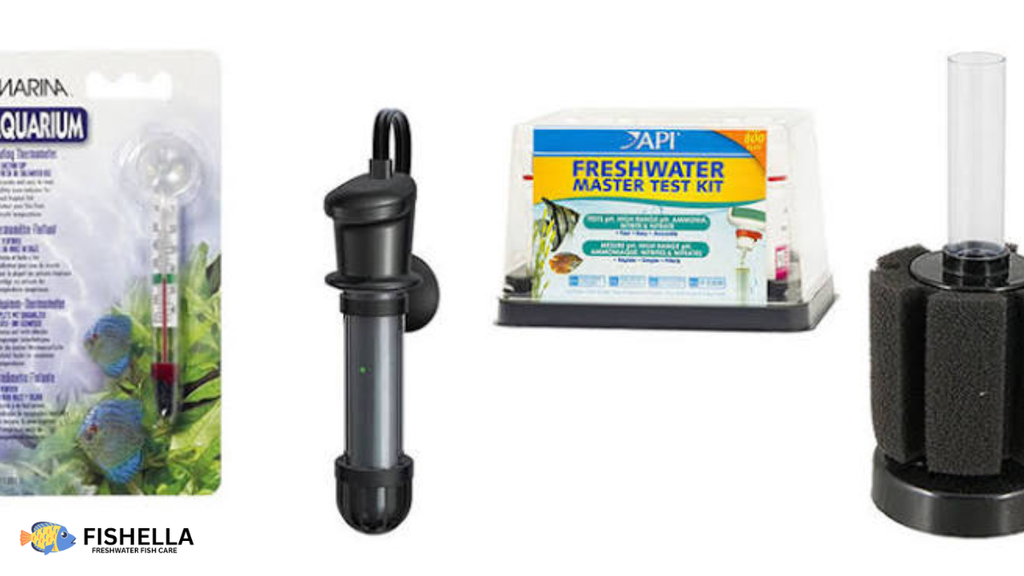
A consistent maintenance routine makes betta fish care much easier. You don’t need to spend a long time cleaning the aquarium every day. A few simple checks, combined with regular water testing and appropriate maintenance, can help keep your Betta and aquarium in good condition.
The exact schedule can vary depending on tank size, filtration, stocking, feeding, and water-test results. Use the routine below as a practical starting point rather than a rigid rule.
Beginner Betta Fish Care Schedule
| Frequency | Tasks |
| Daily | Observe your Betta, check the temperature, and remove obvious uneaten food. |
| Weekly | Test water, perform a partial water change when indicated, inspect equipment, and clean visible residue from the glass. |
| Monthly / As Needed | Inspect filter components, adjust or prune plants, check decorations, and perform additional maintenance when necessary. |
Daily Routine
Spend a few minutes observing your Betta each day. Look for normal swimming, appetite, and behavior, and check the aquarium thermometer to make sure the temperature remains stable.
Remove obvious uneaten food when necessary. Leaving excess food in the aquarium can contribute to waste and water-quality problems.
Weekly Routine
Test the aquarium water regularly, particularly ammonia, nitrite, nitrate, pH, and temperature as appropriate for your setup. Use your results to decide whether a partial water change is needed.
During your weekly check, inspect the heater, filter, and other equipment to make sure everything is operating correctly. You can also clean visible algae or residue from the aquarium glass without disturbing the entire setup.
Monthly or As-Needed Maintenance
Some tasks only need to be performed periodically. Inspect filter components according to the manufacturer’s recommendations, check decorations for damage, and trim or reposition plants when they begin to block swimming space or equipment.
If filter media needs cleaning, avoid replacing all biological media at once. Preserving established biological filtration helps maintain the beneficial bacteria your aquarium depends on.
Avoid Unnecessary Deep Cleaning
A Betta aquarium does not need to be completely emptied and scrubbed on a fixed monthly schedule. Excessive cleaning can disturb beneficial bacteria and create unnecessary changes in the aquarium environment.
Instead, clean specific areas when needed and use water testing to guide your maintenance. The goal is to remove waste while keeping the aquarium biologically stable.
Beginner Tip: Keep a simple maintenance checklist near your aquarium. Recording water-test results and water changes can help you build a consistent routine and spot changes before they become bigger problems.
Frequently Asked Questions About Betta Fish Care
How big of a tank does a Betta fish need?
A tank of at least 5 gallons is a practical starting point for a single Betta. A larger aquarium can provide more swimming space and generally makes it easier to maintain stable water conditions.
Do Betta fish need a heater?
Yes. Bettas are tropical fish and generally do best in consistently warm water. For most home aquariums, an adjustable aquarium heater and thermometer can help maintain a stable temperature around 76–80°F (24–27°C).
How often should I feed my Betta fish?
Most adult Bettas can be fed small portions once or twice a day. The exact amount depends on the size of the food and the individual fish, so avoid relying on a fixed number of pellets as a universal rule.
Can a Betta fish live in a bowl?
A bowl is not a good long-term home for a Betta. Small containers can make it harder to maintain stable temperature and water quality and usually provide little room for a proper heater, filtration, and enrichment.
Do Betta fish need a filter?
A gentle filter is highly recommended because it helps maintain water quality and supports beneficial bacteria. Choose a filter with adjustable or naturally low flow so your Betta does not have to constantly fight a strong current.
Why is my Betta fish hiding?
Occasional hiding can be normal, especially after moving into a new aquarium. Persistent hiding, particularly when combined with poor appetite, unusual breathing, clamped fins, or lethargy, is a reason to check water parameters, temperature, tank conditions, and possible health problems.
Can Betta fish live with other fish?
Some Bettas can live peacefully with carefully selected tank mates, but temperament varies considerably. A larger, properly filtered aquarium with plenty of hiding places is generally more suitable for a community setup, while keeping a Betta alone is often the simplest option for beginners.
Final Thoughts:
Proper tank setup, clean and stable water, appropriate temperature, good nutrition, gentle filtration, and regular observation keep a Betta thriving. Betta fish care is about providing security, stimulation, and consistent maintenance—so your Betta stays healthy and curious for years.
Meta Description:
Learn betta fish care with this beginner-friendly guide covering tank setup, water temperature, feeding, maintenance, health, behavior, and tank mates.