By the Fishella Team | Medically reviewed content note: This article is for education. It is not a diagnosis. A vet who treats fish can examine your betta.
Your betta is floating on its side. Or maybe it sinks like a stone. It is scary to watch. Many beginners feel panic, and that is normal.
These signs are often called betta swim bladder disease. But the name is a broad label. It describes trouble with buoyancy. It does not point to one cause. Many things can lead to it, from a full belly to dirty water to an injury.
Here are safe first steps you can take right now:
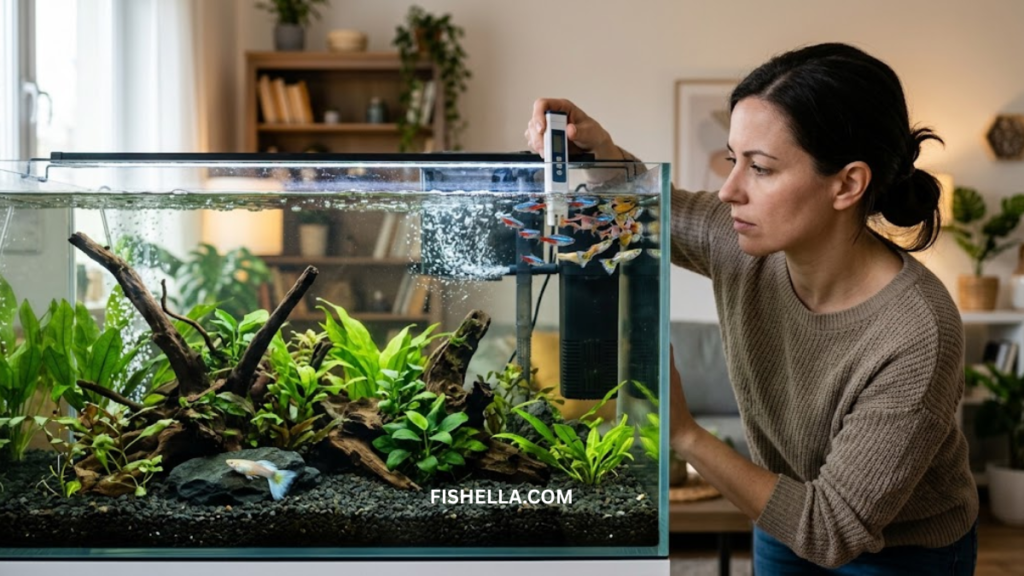
- Test your water. Check ammonia, nitrite, nitrate, pH, and temperature.
- Check the temperature. Aim for a steady 78–80°F.
- Fix any unsafe water gently. Use a small water change if you find ammonia or nitrite.
- Make the surface easy to reach. Slow strong currents and add a resting spot.
- Hold back on feeding for now. Offer only tiny amounts, if any, as explained below.
- Call a vet if your betta is getting worse or cannot stay upright.
Read on to learn what each sign may mean and how to help.
What Is Swim Bladder Disease in Betta Fish?
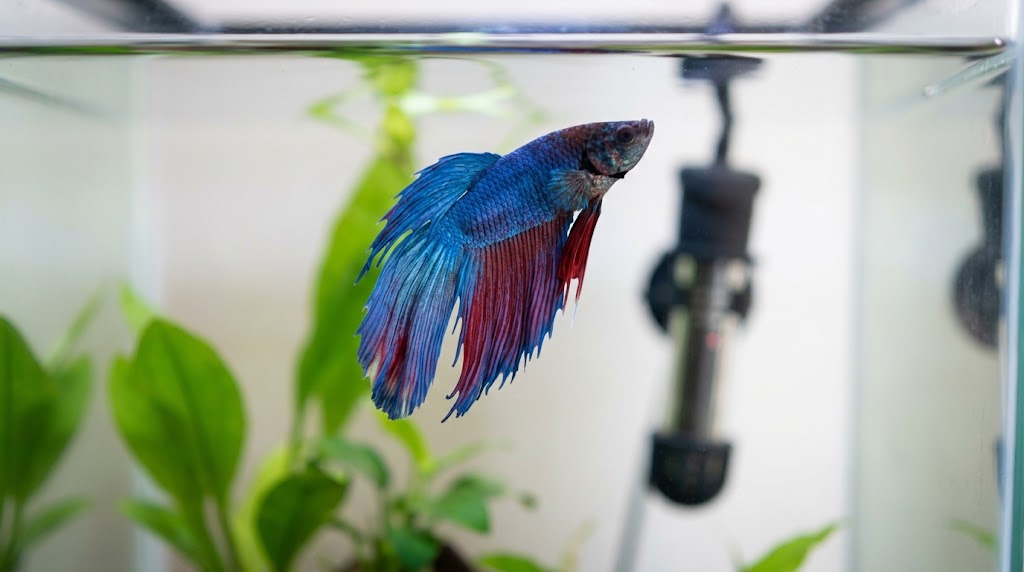
The swim bladder is a small, gas-filled organ inside your betta. It works like a built-in float. It helps your fish stay level and rest at the depth it wants.
When something affects this organ, your betta may lose its balance. The same can happen when something presses on it, such as a swollen stomach. Problems with the nerves, muscles, or other organs can also change how a fish swims.
That is why “swim bladder disease” is not one single illness. It is a group of signs. Think of it like a cough in people. A cough can come from a cold, allergies, or something more serious. Many illnesses can change how a fish swims, as shown in veterinary references on fish health.
Bettas also have a special organ called the labyrinth. It lets them take air from the surface. This is why your betta needs easy access to the top of the tank. It is also why surface problems matter.
Common Signs and Symptoms
No single sign proves your betta has a swim bladder problem. Look at the whole picture. Here is what keepers often see.
Floating at the Surface
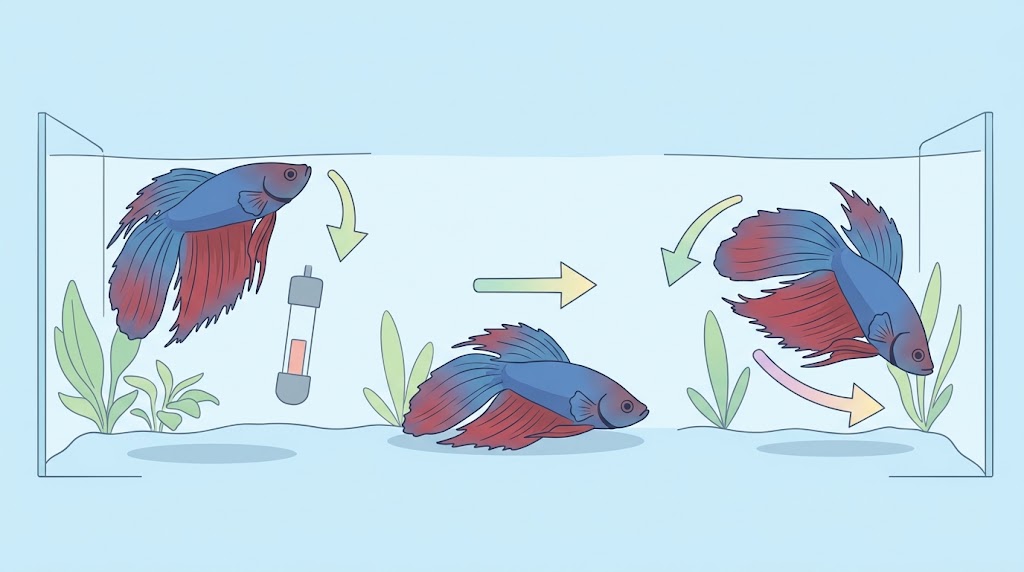
Your betta may bob at the top and struggle to dive. It may use its fins hard just to stay down. Some bettas float with the tail end higher than the head.
Sinking to the Bottom
Your betta may lie on the gravel or the tank floor. Healthy bettas rest, too, so watch for more than one sign. A fish that cannot rise to breathe needs help soon.
Swimming Sideways or Upside Down
Your betta may tilt, roll, or flip over. Some fish swim in circles. Others lean to one side and cannot fix it.
Difficulty Maintaining a Normal Position
Your betta may look wobbly. It may tire fast. It may hang with its head up or down. It may seem to fight the water just to stay in place.
A Swollen Belly, When Present
Some fish have a round or puffy belly. This may point to overeating or constipation. But a swollen belly can also come from other illnesses. Not every betta with swim bladder trouble has one.
Other signs to watch for: loss of appetite, hiding, clamped fins, pale color, raised scales (like a pinecone), red marks, or white fuzzy patches. These point to more than a simple digestive issue. They are good reasons to call a vet.
What Causes Swim Bladder Problems in Betta Fish?
Several things can cause balance trouble. Often, more than one factor is involved. Here are the most common ones.
Overfeeding and Digestive Problems
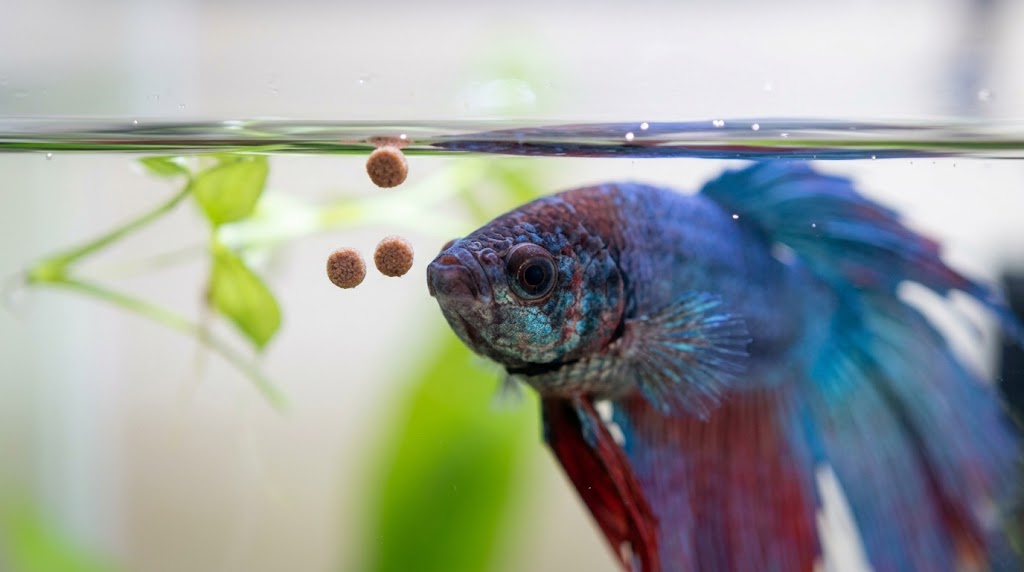
A betta’s stomach is small. It is about the size of its eye. Too much food can make the belly swell and press on the swim bladder.
Dry foods like flakes and pellets can also swell after they are eaten. Eating too fast and gulping air may add to the problem.
Constipation
A diet with too little variety or fiber can slow digestion. A constipated betta may have a bloated belly and may pass little or no waste. Stringy waste that hangs on for a long time can also be a sign of trouble.
Poor Water Quality
Ammonia and nitrite are toxic to fish. High nitrate over time adds stress. Stressed fish may stop eating or get sick more easily. Poor water can also harm the gills and organs. Ammonia and nitrite harm fish gills and organs, according to university aquaculture experts.
Water that is too cool can slow digestion. Bettas are tropical fish. Cold water is a very common problem in small tanks without heaters.
Injury, Infection, or Other Underlying Conditions
A hard bump, a fall, or a fight with a tank mate may harm the swim bladder. Infections, parasites, tumors, and organ problems can also change buoyancy. So can fluid build-up in the body, which is sometimes called dropsy.
Older bettas may also have more balance problems. Some fish are born with a body shape that makes buoyancy harder. Short, round-bodied bettas may be at higher risk.
Because so many causes look alike, you cannot know the exact cause from one sign. This is why testing the water and watching your fish both matter.
How to Treat Swim Bladder Problems in Betta Fish
The goal is to fix the likely cause and lower stress. These steps are safe for most bettas. Go slowly and avoid big changes.
Step 1: Test Ammonia, Nitrite, Nitrate, pH, and Temperature

Use a liquid test kit. It is usually more reliable than test strips. Here are good target numbers for most bettas:
| Test | Goal |
|---|---|
| Ammonia | 0 ppm |
| Nitrite | 0 ppm |
| Nitrate | Under 20 ppm (under 40 ppm at most) |
| pH | About 6.5–7.5, and steady |
| Temperature | 78–80°F |
Write down your results. A vet may ask for them.
Step 2: Correct Unsafe Water Conditions Carefully
If ammonia or nitrite shows up, do a 25–30% water change. Use water treated with a dechlorinator. Match the new water to the tank temperature. A cold or hot swap can shock your fish.
Retest and repeat the small changes as needed until ammonia and nitrite read zero. Do not change the pH quickly. Quick swings are more harmful than a pH that is slightly off but steady.
If your tank is not cycled, daily small changes may be needed for a while. If ammonia or nitrite keeps showing up, learn more about cycling a betta tank so good bacteria can keep the water safe. A tank under 5 gallons is harder to keep stable. A 5-gallon or larger tank with a heater and gentle filter is a better long-term home.
A betta fish tank size of at least 5 gallons makes it easier to keep the water clean and the temperature steady.
Step 3: Keep the Water Clean and the Temperature Stable
Use an adjustable heater and a thermometer. Check the thermometer daily. Remove uneaten food right away. Avoid adding new fish, decor, or products during recovery. Less change means less stress.
Step 4: Reduce Strong Currents and Make the Surface Easy to Reach
Bettas have long fins and are not strong swimmers. A weak betta can tire fast in a strong current. Turn the filter down, aim the flow at the glass, or add a sponge over the outlet.
Help your betta rest near the top:
- Add a floating plant, a betta hammock, or a large, smooth leaf.
- Lower the water level a little if your betta struggles to reach the surface. Keep the heater fully covered by water.
- Remove sharp or rough decor that could scrape a fish that is tipping over.
- Keep the lid on but leave a small air gap. Bettas breathe air from this space.
If your betta is stuck on the bottom, add smooth, soft items it can rest on. Make sure it can still reach the surface for air.
Step 5: Adjust Feeding Cautiously
Feeding can help or hurt. It depends on the fish.
- If your betta has a swollen belly and it is a healthy adult: Many keepers skip food for about 24 hours. Then they offer a very small meal. This gives the gut a break.
- If your betta is thin, very weak, young, or has not eaten in days: Do not make it fast. Weak fish may need food. Ask a vet for advice.
- Do not fast for several days unless a vet tells you to. Long fasting can weaken a betta.
When you do feed, keep portions small. Start with two or three pellets that have been soaked for a minute or two in tank water. Soaking helps them swell before your betta eats them. Feed once a day at most while it recovers.
About peas: You may see advice to feed a bit of cooked, skinned pea. Peas add fiber. But no solid proof shows they cure swim bladder problems in bettas. Bettas are mostly meat-eaters. If you try a tiny piece, treat it as a gentle fiber boost, not a cure. Remove what your fish does not eat.
A better long-term plan is a high-quality betta pellet. Frozen or live foods like daphnia or brine shrimp can add variety and may help with digestion.
Step 6: Know When a Veterinary Exam Is Necessary
Home care is for mild cases and for buying time. See a vet who treats fish if your betta:
- Cannot stay upright or keeps flipping over
- Gets worse after a day or two of good water and warm temperature
- Has signs of infection, such as raised scales, red streaks, or fuzzy patches
- Has a belly that keeps growing
- Stops eating for more than a few days
- Has symptoms after a clear injury
A vet can look for causes you cannot see. They may suggest tests or prescribe treatment that fits your fish.
What Temperature Is Best During Recovery?
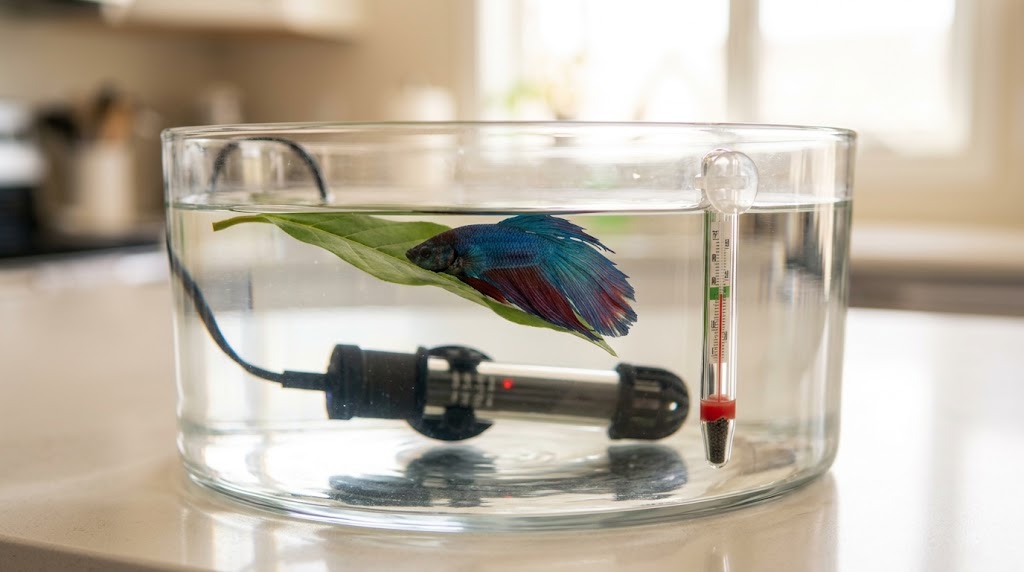
Aim for 78–80°F, and keep it steady. Warm water helps digestion and supports the immune system. Avoid raising the heat above 82°F. Too much heat lowers oxygen in the water and can stress your fish.
Stability matters most. A swing of a few degrees in a day can cause stress. Use a reliable heater and check it with a separate thermometer. Need help picking a heater? Our guide to betta water temperature explains how to keep it steady all day.
When you do a water change, match the new water to the tank temperature as closely as you can.
How Long Does Recovery Take?
There is no single timeline. It depends on the cause.
- Mild problems from overeating may improve in a few days after better feeding and clean, warm water.
- Water-quality problems may take days to weeks, as the fish heals and the tank settles down.
- Infections, injuries, or organ problems can take much longer. Some fish never fully recover.
Some bettas keep a slight tilt or need extra care for life. Many can still live a good, comfortable life with the right setup. Keep track of your fish’s daily behavior, eating, and swimming. Share these notes with your vet if you seek help.
If you see no improvement within 2–3 days, or if your betta declines at any point, get professional advice.
Can Betta Swim Bladder Disease Be Prevented?
Many cases can be prevented, but not all. Here are the best habits. Good betta fish care starts with a heated tank, clean water, and small, steady meals.
- Feed small portions. Give only what your betta can eat in about two minutes, once or twice a day. Follow the food label for your fish’s size.
- Vary the diet. Rotate quality pellets with frozen or live foods now and then.
- Soak dry food before feeding.
- Use a heater and keep the tank at 78–80°F.
- Keep the water clean. Do weekly partial water changes and test regularly.
- Choose a big enough tank. Five gallons or more is a good start.
- Keep currents gentle.
- Avoid rough handling and tank mates that fight.
- Quarantine new fish and plants to lower the risk of bringing in disease.
Healthy habits also help you spot early changes. Catching a problem early gives your betta the best chance.
When Should You Contact an Aquatic or Exotic-Animal Veterinarian?
Contact a vet if your betta shows any of these:
- Severe or worsening buoyancy problems
- Trouble that lasts longer than 2–3 days despite good care
- Swelling, raised scales, or open sores
- Not eating for several days
- Rapid breathing or gasping at the surface
- Signs after a fall, a jump, or an attack
Not every vet treats fish. Call ahead and ask if they see fish or exotic pets. The World Aquatic Veterinary Medical Association (WAVMA) offers a directory that may help you find one. A fish vet can also talk about comfort care and humane options if your betta is suffering.
Frequently Asked Questions
Is swim bladder disease fatal in betta fish?
Not always. Mild cases from overfeeding often improve. But it can be serious if the cause is an infection, injury, or organ disease. The outcome depends on the cause and how soon you act.
Can a betta recover from swim bladder problems?
Many can. Bettas with simple causes, like a full belly or poor water, often get better when the cause is fixed. Others may have lasting balance issues. A vet can help you plan for a stable, comfortable life.
Should I feed a betta with swim bladder symptoms?
It depends. A healthy adult with a swollen belly may do well with a short break of about 24 hours, then a very small meal. A thin, weak, or young betta should not fast without vet advice. Never fast for many days on your own.
Why is my betta floating sideways?
Sideways floating means your betta cannot control its balance. Causes include overeating, constipation, cold water, poor water quality, injury, or infection. Test your water, check the temperature, and watch for other signs. If it does not improve soon, call a vet.
Is swim bladder disease contagious?
Swim bladder problems themselves are not contagious. But some causes might be, like certain infections or parasites. Poor water can also affect every fish in the tank. If you have other fish, watch them and test the water.
Should I use aquarium salt or medication?
Do not use either by default. Bettas are freshwater fish. Salt can stress some fish and harm plants and snails. It also does not fix most causes of balance problems. Medications should match a known cause. Do not guess, and do not add antibiotics on your own. A vet can tell you if salt or medicine is right for your fish.
Conclusion
Betta swim bladder disease is a sign that something is wrong, not a single illness with one cure. Start with safe steps. Test the water, keep it warm and clean, calm the current, and feed very small amounts. Then look for the cause.
Avoid quick fixes, strong chemicals, and long fasts. If your betta gets worse or does not improve in a few days, call an aquatic or exotic-animal vet. With patience and careful care, many bettas feel better and live happily again.