
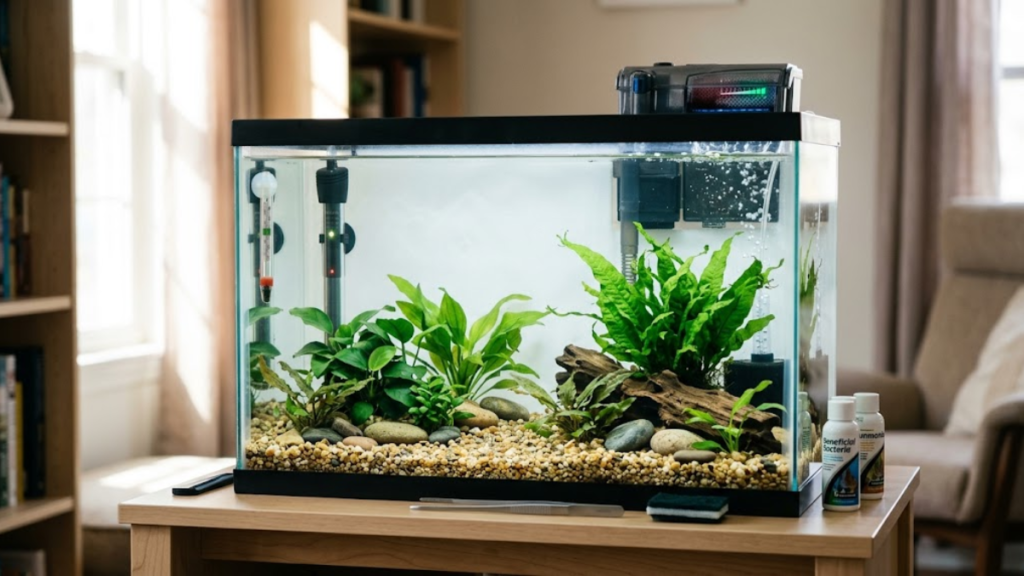
Learning how to cycle a fish tank fast is one of the first things every new aquarium owner should understand. A proper freshwater tank cycling process helps build beneficial bacteria that turn harmful ammonia into nitrite and then nitrate. This process is called the aquarium nitrogen cycle, and it helps create safer water for your fish.
The good news is that you can help a new aquarium cycle more efficiently. The important thing is to speed up the process safely instead of adding fish too early or using too much ammonia. Follow our complete guide to fishless cycling to establish beneficial bacteria before adding fish to your aquarium.
What Is the Aquarium Nitrogen Cycle?
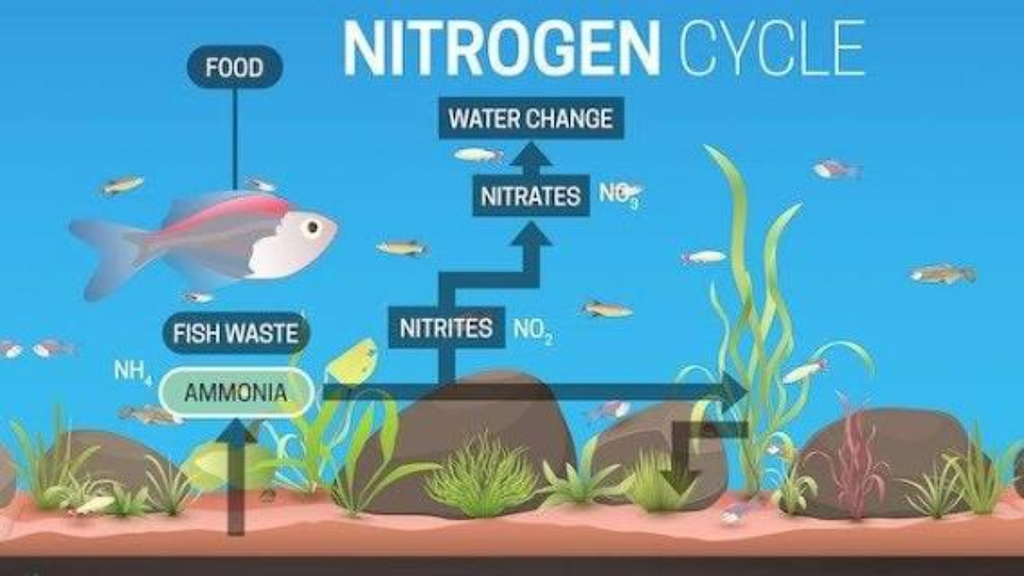
The aquarium nitrogen cycle is a natural process that breaks down waste inside your fish tank. Fish waste, leftover food, and other organic material can produce ammonia.
Ammonia is harmful to fish. Beneficial bacteria then convert ammonia into nitrite, which is also harmful. Another group of bacteria converts nitrite into nitrate.
The basic cycle is:
- Ammonia → Nitrite → Nitrate
- Beneficial bacteria help drive this process.
- Regular water changes help control nitrate after the tank is established.
A new aquarium does not have enough beneficial bacteria at first. That is why freshwater tank cycling is important before adding a full population of fish. Learn about compatibility, potential risks, and safe tank-sharing tips in our guide: Can Betta Fish Live With Ghost Shrimp? Risks & Tips.
How to Cycle a Fish Tank Fast
The safest way to cycle a new aquarium faster is to provide the right environment for beneficial bacteria to grow.
Considering bottled bacteria for your new aquarium? Read our API Quick Start review to compare its benefits, limitations, and value for helping establish a healthy nitrogen cycle.
1. Set Up Your Aquarium Correctly
Start by setting up the tank, filter, heater, substrate, and decorations. Make sure your filter runs continuously because the filter provides an important surface where beneficial bacteria can grow.
Use a water conditioner if your tap water contains chlorine or chloramine. These chemicals can damage the bacteria you are trying to establish. Keep the aquarium at a suitable temperature for the fish you plan to keep.
If you are starting with a completely new aquarium, our guide on setting up a freshwater aquarium explains the basic equipment, tank setup, and preparation steps before you begin cycling the water.
2. Choose Fishless Cycling
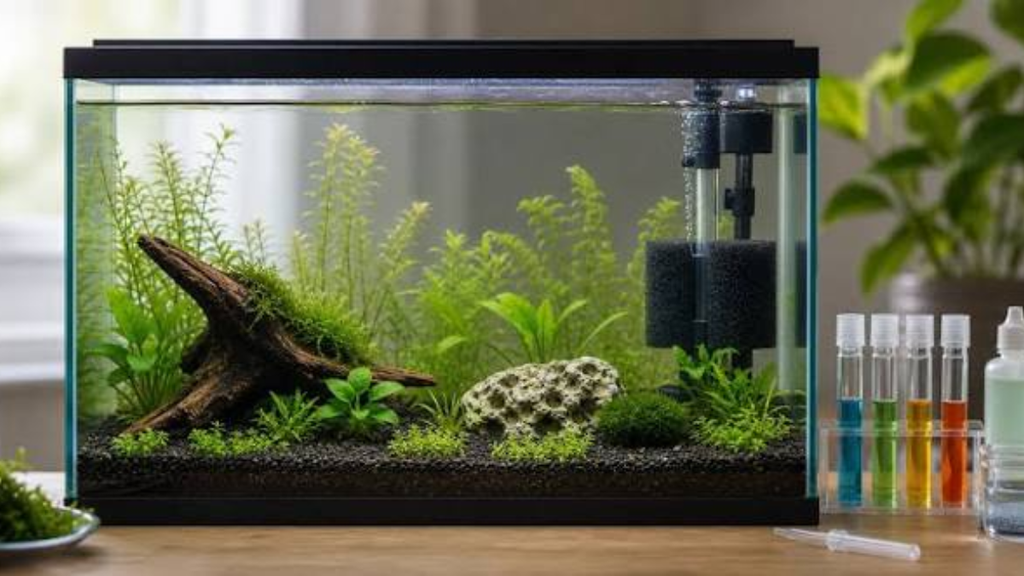
Fishless cycling is a beginner-friendly way to establish the nitrogen cycle without exposing live fish to dangerous ammonia and nitrite levels. Instead of using fish to produce waste, you provide an ammonia source that feeds the beneficial bacteria.
During the process, test the water regularly for:
- Ammonia
- Nitrite
- Nitrate
- pH
This allows you to see how the cycle is developing before fish enter the aquarium.
Practical Example: Fishless Cycling a 10-Gallon Tank
Let’s say you have a new 10-gallon freshwater aquarium and want to prepare it for a small group of fish. First, set up the tank with a filter and heater, add water conditioner, and turn the filter on. Instead of adding fish, start a fishless cycling process with a suitable ammonia source.
Test the water regularly. At first, you may see ammonia increase. After beneficial bacteria begin to grow, ammonia should start falling while nitrite rises. As the cycle continues, another group of beneficial bacteria processes the nitrite and produces nitrate.
For example:
- Day 1: Set up the aquarium and start the filter.
- Early stage: Ammonia begins to appear.
- Middle stage: Nitrite rises as bacteria process ammonia.
- Later stage: Nitrate appears as nitrite is processed.
- Before adding fish: Confirm that ammonia and nitrite return to 0 ppm after the ammonia source is processed.
The exact number of days can vary, so do not add fish simply because a certain number of days has passed. Once your tests show that the aquarium can process the ammonia source and ammonia and nitrite remain at 0 ppm, you can prepare for the gradual addition of fish.
This example shows why how to cycle a fish tank fast does not mean skipping the cycle. It means creating the right conditions so beneficial bacteria can establish as efficiently as possible.
Add Beneficial Bacteria to Speed Up Cycling
Adding a reputable aquarium bacteria starter can help introduce nitrifying bacteria into a new tank. You can also seed a new aquarium with established biological filter media from a healthy, disease-free aquarium. Established filter media already contains bacteria that can help a new aquarium develop its biological filter faster.
However, bottled bacteria should not be treated as a guaranteed instant cycle. Research on quick-start products has produced mixed results, so continue testing your water instead of assuming the tank is ready.
Keep the Filter Running 24/7
Your aquarium filter should run continuously during the cycling process. Beneficial bacteria need a stable place to live and access to oxygen-rich water. The filter’s biological media provides a large surface where these bacteria can grow.
Do not turn the filter off for long periods unless necessary. Avoid replacing all biological filter media during cycling because you may remove a large portion of the bacteria you are trying to establish.
Test Ammonia, Nitrite, and Nitrate

Testing your water is one of the most important parts of freshwater tank cycling. At the beginning, ammonia may rise. After beneficial bacteria begin processing it, nitrite usually rises. Later, nitrate should begin appearing as nitrite is processed.
A fully cycled aquarium should be able to process its ammonia source without leaving harmful ammonia or nitrite behind. Testing is more reliable than simply waiting a certain number of days.
How Long Does Fish Tank Cycling Take?
Many new aquarium owners want to know how quickly they can finish the process. There is no exact number of days that works for every aquarium. A new tank can take several weeks to establish a stable biological filter.
The time can depend on:
- Aquarium size
- Temperature
- Filter type
- Amount of biological media
- Ammonia source
- Beneficial bacteria
- Water chemistry
Some methods may help shorten the process, but cycling should never be rushed at the expense of fish safety.
Can You Cycle a Fish Tank in 24 Hours?
Usually, no.
Simply filling a new aquarium with water and running the filter for 24–48 hours does not mean the aquarium is fully cycled. The beneficial bacteria need time to establish and process ammonia and nitrite.
Some products are marketed as fast cycling solutions, but you should still test ammonia and nitrite before adding fish. The goal is not to make the tank “old” quickly. The goal is to build a biological filter that can safely handle the waste produced by your fish.
Avoid These Common Cycling Mistakes
Trying to cycle an aquarium quickly can lead to mistakes.
Avoid these common problems:
- Adding a large number of fish immediately
- Overfeeding fish
- Skipping water tests
- Replacing biological filter media too often
- Turning the filter off for long periods
- Adding too much ammonia
- Assuming clear water means the tank is cycled
Clear water does not automatically mean your aquarium is biologically ready for fish. Adding too many fish at once can cause ammonia and nitrite to rise quickly and may lead to what aquarium keepers call new tank syndrome.
When Is a Fish Tank Fully Cycled?
Your tank is ready for fish when your testing shows that the established biological filter can process the ammonia source and ammonia and nitrite remain at zero.
Nitrate should also be present in many normally cycled freshwater aquariums. Before adding fish, perform an appropriate water change if needed and make sure the temperature and other water conditions are suitable for the fish you plan to keep. Add fish gradually rather than filling the aquarium all at once.
What to Do After the Tank Is Cycled
Cycling does not mean aquarium maintenance is finished. Continue testing your water, perform regular partial water changes, avoid overfeeding, and keep your filter working properly.
Add new fish slowly so your beneficial bacteria have time to adjust to the increased waste load. A stable aquarium depends on maintaining the biological filter over time, not just completing the initial cycle.
Once your aquarium is cycled, you can start preparing it for your chosen fish. If you plan to keep a betta, check our complete Betta Fish Care guide for information about tank size, water temperature, feeding, and everyday care.
Frequently Asked Questions
How can I cycle my fish tank faster?
Using fishless cycling, established biological filter media, and a suitable bacterial starter may help establish beneficial bacteria faster. Always test ammonia and nitrite rather than relying only on a timeline.
Can I cycle a fish tank in one week?
It is possible for some aquariums to develop bacterial activity quickly, but one week should not be treated as a guaranteed cycling time. Test the water and confirm that ammonia and nitrite are being processed before adding fish.
Should I use beneficial bacteria when cycling a tank?
A reputable beneficial bacteria product can be useful, but it should not replace water testing. Products can have different results, so confirm the cycle with ammonia and nitrite tests.
Is fishless cycling better than cycling with fish?
Fishless cycling avoids exposing live fish to potentially harmful ammonia and nitrite levels. It is a practical option for beginners who are setting up a new freshwater aquarium.
What levels should ammonia and nitrite reach before adding fish?
For a normally cycled aquarium, ammonia and nitrite should test at 0 ppm. Nitrate may be present because it is the end product of the main aquarium nitrogen cycle.
Final Thoughts
Knowing how to cycle a fish tank fast is really about creating the right conditions for beneficial bacteria to grow. Fishless cycling, good filtration, regular testing, and established biological media can help make the process more efficient.
Do not rush your aquarium just because the water looks clean. Give the aquarium nitrogen cycle time to establish, confirm your water readings, and add fish gradually. A properly cycled freshwater tank gives your fish a much safer environment for long-term care.
Helpful Resources
For additional information about aquarium cycling and water quality, see:
Pingback: Fish Tank Algae: How to Control It With Aquarium Lighting
Pingback: Ideal pH for Freshwater Fish Tank: Test & Maintain
Pingback: Betta Breathing Heavily? 7 Causes and Fast Fixes
Pingback: API Master Test Kit vs Test Strips: Which Is Best? (2026)
Pingback: Can Goldfish Live in a Bowl? What Experts Advise