
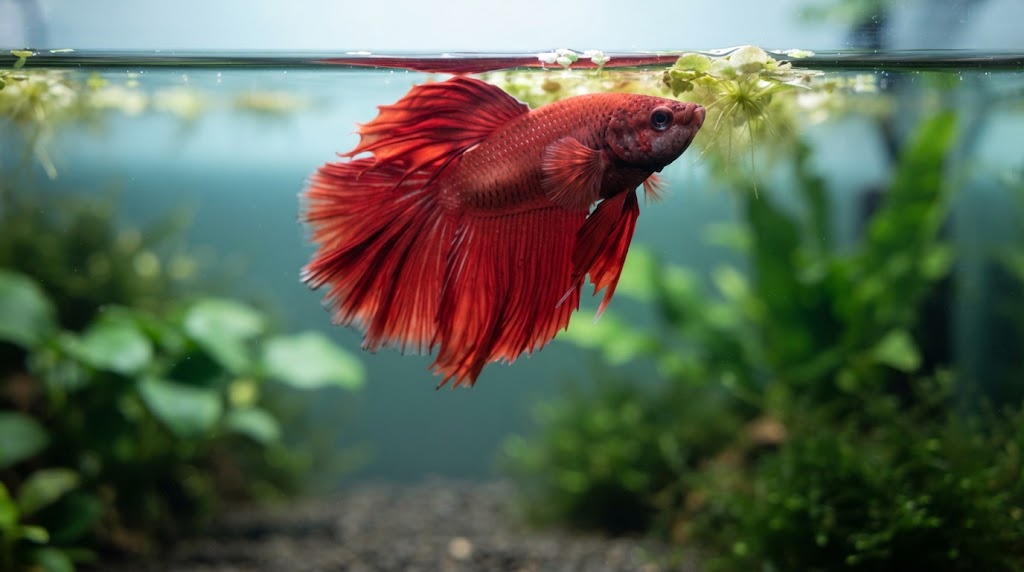
Seeing your colorful fish hover at the bottom of the tank or gasp at the surface is alarming. A betta breathing heavily is sending a clear distress signal. Fast or labored gill movement usually points to poor water quality, low oxygen, or stress. Most cases can be fixed if you act quickly.
This guide covers what to do right now, the most common causes, and how to prevent it. If you’re new to the species, start with our complete betta fish care guide.
Quick Emergency Checklist: What to Do Right Now

Work through these steps immediately. For a full walkthrough, see what to do in the first hour when fish start dying.
- Do a partial water change: Replace 30% to 50% of the water with temperature-matched water. Learn how to dechlorinate tap water for your aquarium first.
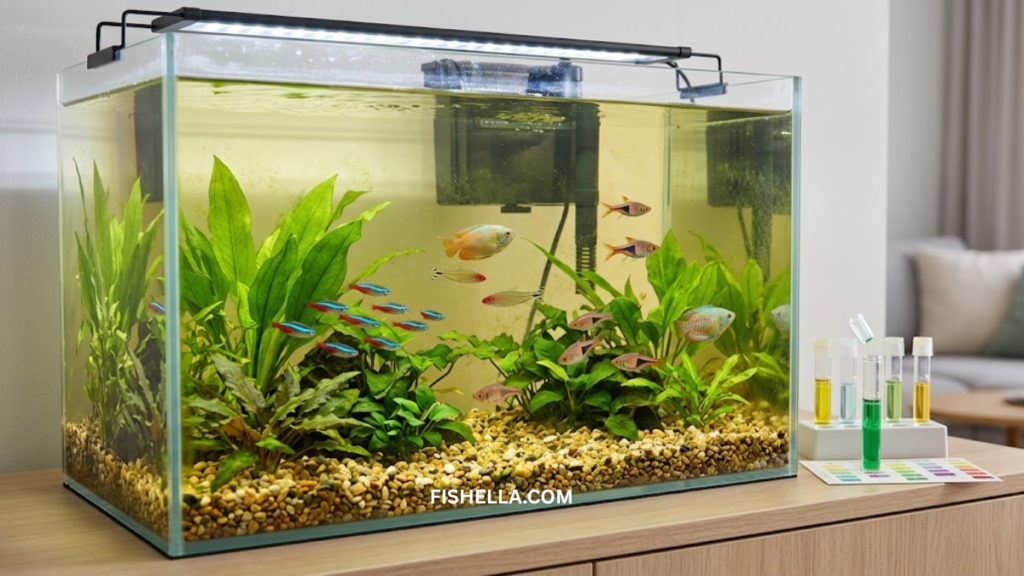
- Test your water: Check ammonia, nitrite, nitrate, and pH. Ammonia and nitrite should both read 0 ppm.
- Ensure surface access: Remove floating decor or tight lids that block your betta from reaching the top.
- Reduce the current: Turn down strong filter flow. Long-finned bettas tire quickly in turbulent water.
- Check the temperature: Bettas thrive at 76°F to 82°F (24°C to 28°C). See our betta fish water temperature guide.
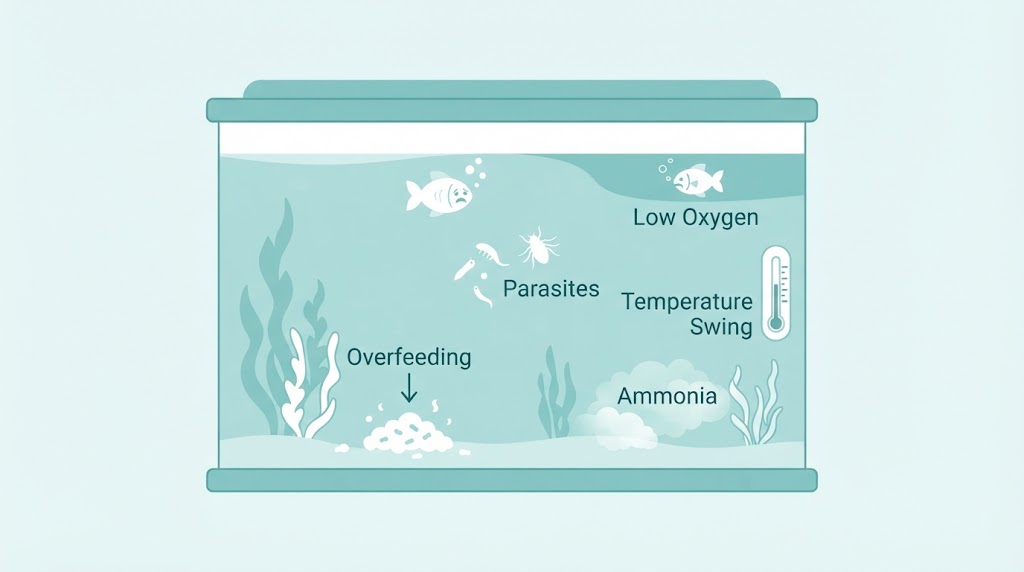
Top Causes of Betta Breathing Heavily
Ammonia or Nitrite Poisoning
This is the most common culprit. In an uncycled tank, or one with decaying food, ammonia and nitrite burn the gills. Damaged gills absorb less oxygen, so your betta breathes faster.
Read what causes sudden ammonia spikes in an established tank. Then learn how to cycle a fish tank fast. You can also read about the nitrogen cycle for background.
Low Dissolved Oxygen (Hypoxia)
Warm, stagnant water holds less oxygen. If your betta is gasping at the surface, hypoxia may be the cause. Gentle surface agitation helps. Keeping the tank cooler in hot weather helps too.
Temperature Shock
Sudden swings, or a faulty or missing heater, stress the immune system and speed up metabolism. A faster metabolism means faster breathing. Always use a reliable heater and a thermometer.
Parasites and Gill Flukes
Microscopic gill flukes attack gill tissue and restrict oxygen intake. Look for rapid breathing, scratching, excess mucus, and clamped fins. Other signs include lying on its side. Browse the common freshwater fish diseases to compare symptoms.
Heavy breathing can also happen with ich, especially when the gills are affected. Learn the signs in our betta fish ich guide.
Swim Bladder Problems and Overfeeding
Bloating and constipation press on the swim bladder. Your betta may sit on the bottom and breathe with obvious effort. Our guide to betta fish overfeeding and bloating explains how to fix it.
Poor Overall Water Quality
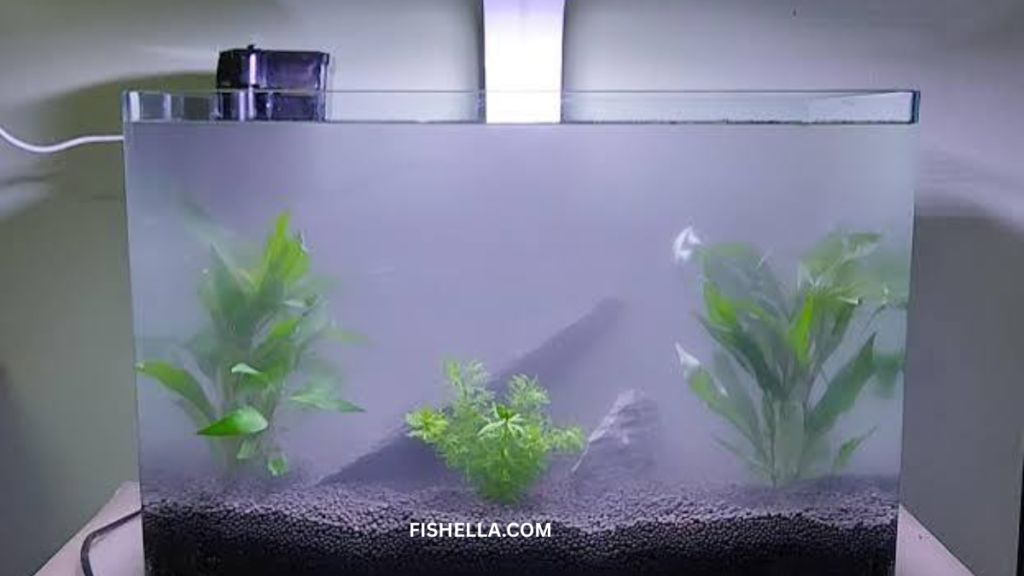
Dirty water leads to many of the problems above. Review our guide to fish tank water quality. Keep up a routine of how to clean a fish tank properly.
Understanding the Labyrinth Organ

Bettas are anabantoids, or labyrinth fish. They have a labyrinth organ that lets them breathe air directly from the surface. This helped the Siamese fighting fish survive in oxygen-poor rice paddies.
It’s normal for a betta to gulp air occasionally. It is not normal to see continuous gasping, rapid gill flaring, or constant surface-parking. That pattern means the water is the problem. Curious about surface behavior? See why a betta makes bubbles at the top of the tank.
Step-by-Step Treatment and Recovery Guide

1. Correct problems gradually. Adjust the heater by 1 to 2 degrees at a time. Do daily 25% to 30% water changes until ammonia and nitrite read zero.
2. Use a good conditioner. A product like Seachem Prime temporarily detoxifies ammonia and nitrite. See our pick for the best aquarium water conditioner.
3. Add supportive care. Indian almond (catappa) leaves release tannins with mild antibacterial and anti-stress properties.
4. Adjust feeding. If constipation is suspected, fast your betta for 24 to 48 hours. Then offer small portions, or a bit of blanched, deshelled pea.
5. Treat for parasites if needed. If water tests are perfect but heavy breathing continues, consult an aquatic vet or use a medication labeled for gill flukes.
Frequently Asked Questions
How to tell if a betta fish is suffering?
Look for clamped fins, faded color, lethargy, heavy breathing, loss of appetite, and sitting on the bottom or at the surface.
Why is my fish breathing so heavy?
Usually poor water quality (ammonia or nitrite), low oxygen, or temperature stress. Parasites and infections can also cause it.
What are the common causes of death in betta fish?
The most common are ammonia poisoning, small or unheated tanks, poor water quality, disease, and overfeeding. Read why fish die for more.
What does heavy breathing look like in betta fish?
Fast, exaggerated gill flaring, gasping at the surface, and staying at the top or bottom of the tank with little movement.
Conclusion and Prevention Tips
A betta breathing heavily is a warning, not a diagnosis. In most cases, clean, stable, well-oxygenated water solves it. Consistency is the key to betta health. To prevent labored breathing:
- Test your water weekly, and daily during cycling.
- Choose the best tank size for a betta (5 gallons or more) with a heater and gentle filter.
- Avoid overfeeding and remove uneaten food.
- Quarantine new fish, plants, and decor.
Pingback: Betta Fish Ich: Symptoms, Treatment, and Prevention