
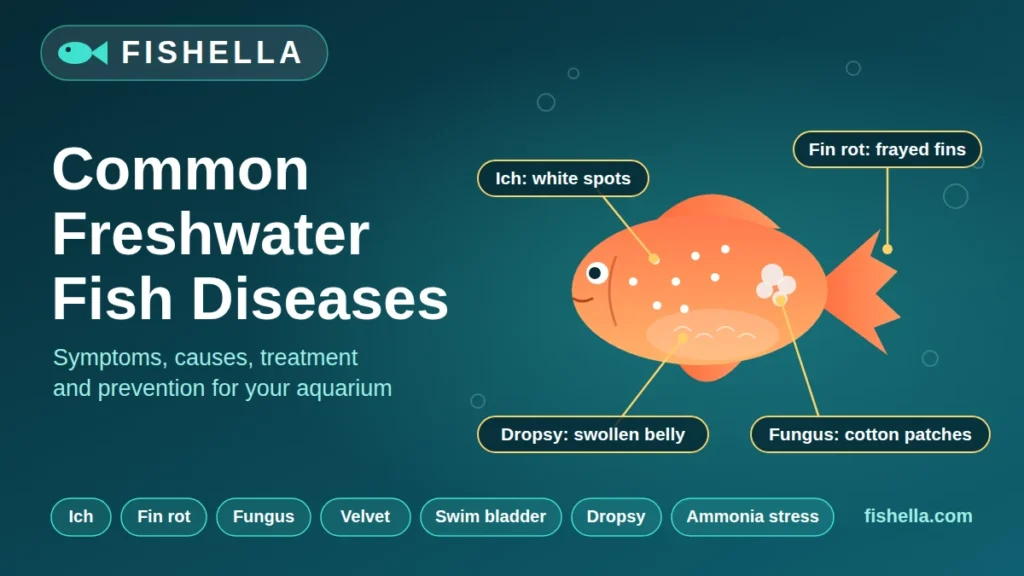
Freshwater fish diseases can appear even in a well-kept aquarium. The good news is that most freshwater fish diseases are preventable, and many are easy to treat when caught early. If you are already losing fish, start with our guide on why are my fish dying and the fish dying emergency checklist. This guide covers the most common freshwater fish diseases, how to recognize them, what causes them and what to do next.
What Causes Freshwater Fish Diseases?
Fish carry many parasites and bacteria naturally, and a healthy fish usually keeps them under control. Disease appears when stress weakens the immune system. The most common stress triggers are:
- Poor water quality (ammonia, nitrite or high nitrate). Learn what causes sudden ammonia spikes in an established tank
- Sudden changes in temperature or pH
- Overcrowding and aggressive tank mates
- Poor diet or overfeeding
- New fish added without quarantine
In most cases, the real problem is the environment, and the disease is only the symptom. Treating the fish without fixing the water usually leads to relapse. Always follow proper quarantine procedures for new fish to help prevent diseases from spreading to your aquarium.
Signs Your Fish May Be Sick
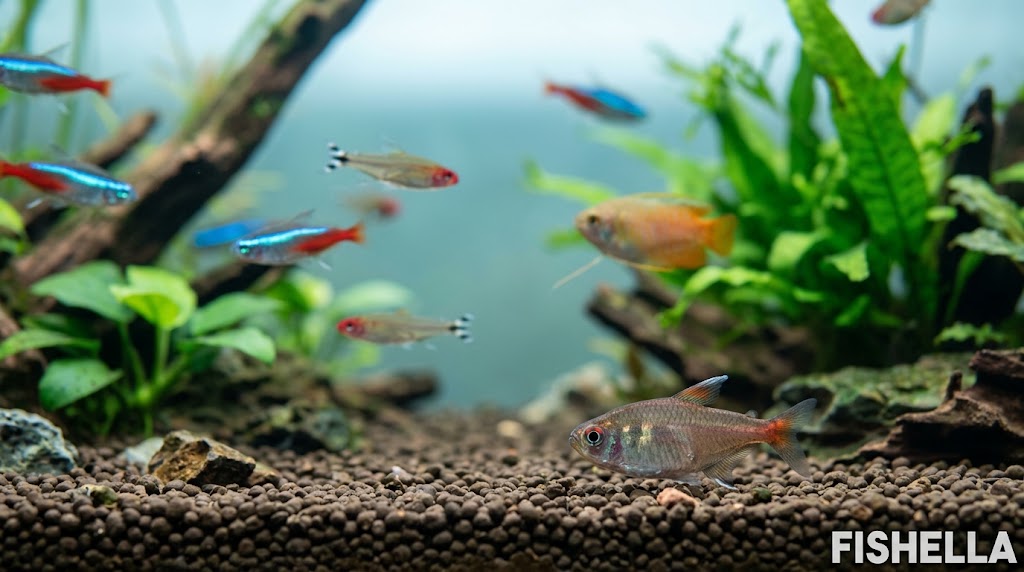
Spotting freshwater fish diseases early depends on knowing your fish’s normal behavior, so watch for these changes:
- Loss of appetite or spitting out food
- Clamped fins held close to the body
- Hiding more than usual or staying at the bottom
- Gasping at the surface
- Scratching against decorations (flashing)
- White spots, fuzzy patches, red streaks or swelling
- Faded color or stringy white waste
If several fish show symptoms at the same time, follow the emergency checklist right away.
Most Common Freshwater Fish Diseases and Their Symptoms
Below are the freshwater fish diseases you are most likely to face, with symptoms and treatment for each.
1. Ich (White Spot Disease)

What it looks like: Tiny white dots, like grains of salt, on the body and fins. Fish may scratch and breathe fast.
Cause: A parasite (Ichthyophthirius multifiliis) that spreads quickly. According to the University of Florida IFAS Extension, outbreaks often appear when water temperature is changing rapidly, and all freshwater fish are susceptible.
Treatment: Raise the temperature gradually to around 28–30°C (82–86°F) if your fish species tolerate it, add extra aeration and use a medication made for ich, following the label. Continue treatment for the full recommended time, because the parasite is only vulnerable at certain stages of its life cycle. You can read more in this veterinary guide to white spot disease.
2. Fin Rot
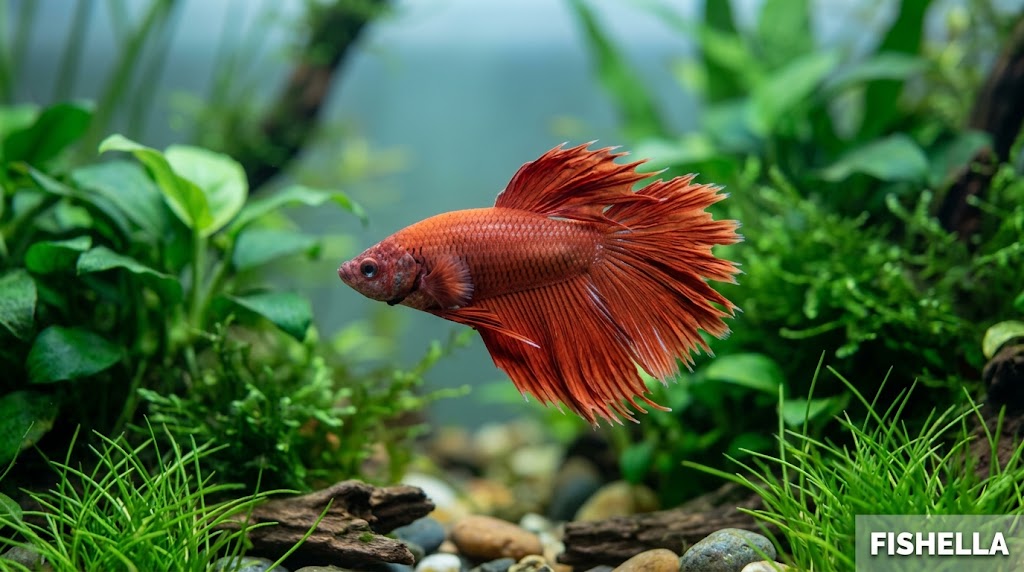
What it looks like: Fins look ragged, frayed or shortened, sometimes with a dark or red edge. Betta and long-finned fish are especially prone.
Cause: A bacterial infection, usually linked to dirty water or fin nipping.
Treatment: Do frequent partial water changes, test your water and remove any aggressive tank mates. Mild cases often improve with clean water alone. Severe cases may need an aquarium antibacterial medication.
3. Fungal Infections
What it looks like: Cotton-like white or grey patches on the body, mouth or fins.
Cause: Fungus usually attacks fish that are already injured or weakened.
Treatment: Improve water quality first, then use an antifungal treatment designed for aquariums. Remove uneaten food promptly to reduce spread.
4. Velvet Disease

What it looks like: A fine gold or rust-colored dust on the body, best seen when you shine a flashlight at the fish. Fish scratch, clamp their fins and may breathe rapidly.
Cause: A parasite (Oodinium) that is often mistaken for ich because the dots are much finer.
Treatment: Use a velvet-specific or copper-based medication (avoid copper if you keep snails or shrimp) and keep the tank dark, since the parasite depends on light.
5. Swim Bladder Disorder
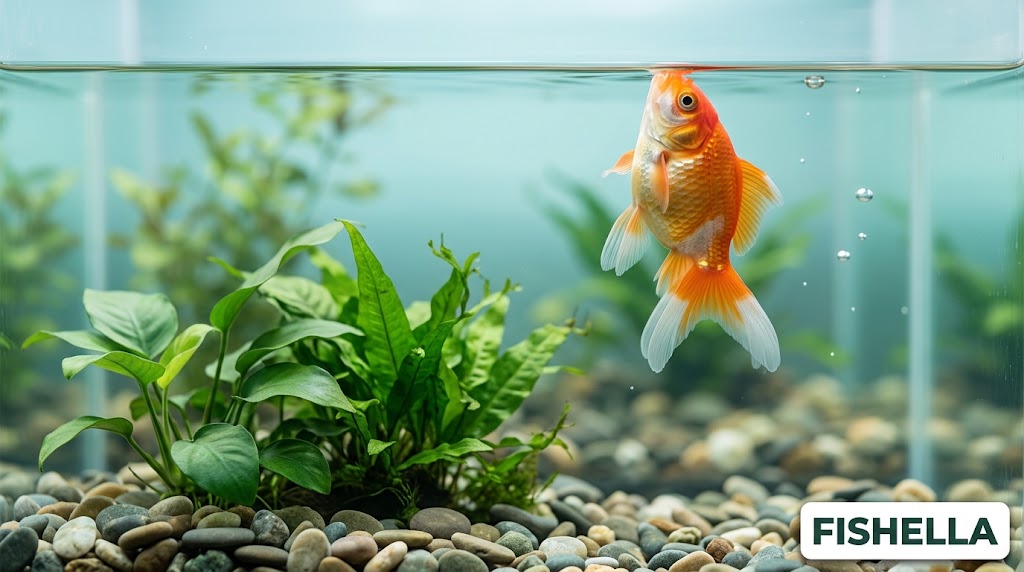
What it looks like: Fish float upside down, sink to the bottom or swim sideways.
Cause: Overfeeding, constipation, gulping air or infection. For a wider overview of related conditions, see this list of aquarium fish diseases.
Treatment: Fast the fish for one to two days, then feed a small amount of blanched, peeled pea. Feed sinking foods and avoid overfeeding in the future.
6. Dropsy
What it looks like: A swollen belly and scales that stick out like a pinecone.
Cause: Dropsy is a symptom of internal problems, often kidney failure or a bacterial infection.
Treatment: Move the fish to a hospital tank and improve water quality. Treatment is difficult and the outcome is often poor, so prevention through clean water and good diet matters most.
7. Ammonia and Nitrite Poisoning
What it looks like: Gasping at the surface, red or inflamed gills, lethargy.
Cause: Uncycled tanks, overfeeding or a failed filter. Even established tanks can suffer, so read what causes sudden ammonia spikes.
Treatment: Test your water immediately, do a large water change with dechlorinated water and use a water conditioner that detoxifies ammonia. Retest daily until readings are zero.
How to Treat Freshwater Fish Diseases?
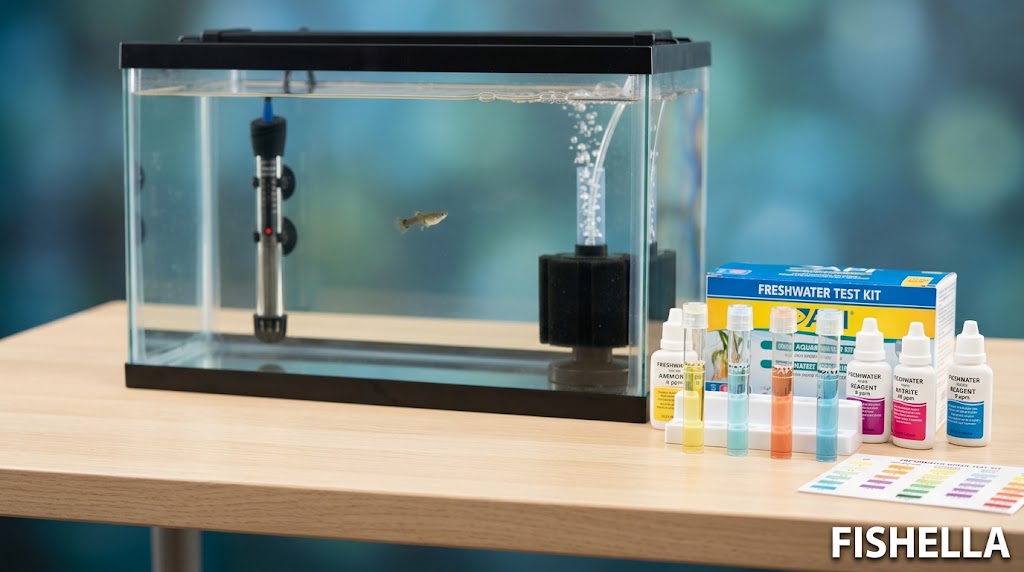
- Test the water first. Check ammonia, nitrite, nitrate, pH and temperature.
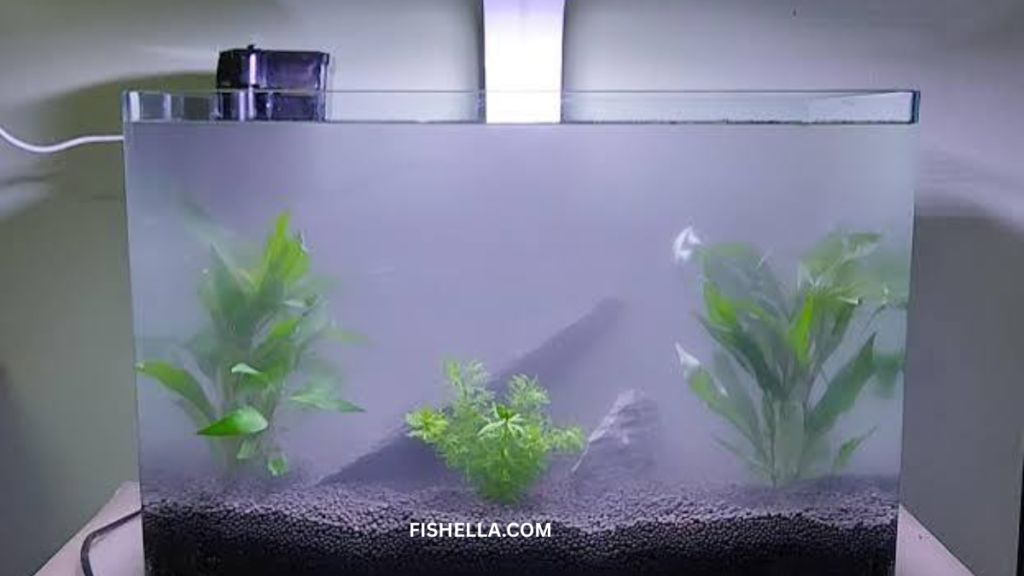
- Do a partial water change if any reading is off. If the water looks milky, see how to clear cloudy water in a newly set up tank.
- Identify the disease using symptoms, and don’t guess with random medicine.
- Isolate the fish in a hospital tank if possible. This protects tank mates and makes dosing easier.
- Follow medication instructions exactly. Don’t overdose or mix medications unless the label says it is safe.
- Remove activated carbon from your filter during treatment, since it absorbs medication.
How to Prevent Freshwater Fish Diseases?

- Quarantine new fish for at least 2–4 weeks before adding them to your main tank.
- Keep water stable with regular water changes and weekly testing.
- Don’t overstock your aquarium.
- Feed a varied, high-quality diet in small portions.
- Choose compatible tank mates to reduce aggression.
- Control algae and excess nutrients. Heavy algae is a sign of unbalanced water, so follow our algae control guide and learn how to remove algae from an aquarium.
- Clean equipment separately and never share nets between tanks without disinfecting them.
When to Ask an Expert
If several fish are dying, symptoms don’t match anything above or treatment isn’t working after a few days, contact an aquatic veterinarian or a reputable local fish store. This guide is for general education and isn’t a substitute for professional advice.
Final Thoughts
Healthy fish come from stable, clean water. Test regularly, watch your fish daily and act at the first sign of trouble. If you are dealing with an urgent problem, start with why are my fish dying.
Pingback: Betta Breathing Heavily? 7 Causes and Fast Fixes
Pingback: How to Quarantine New Fish: Step-by-Step 4-Week Guide