
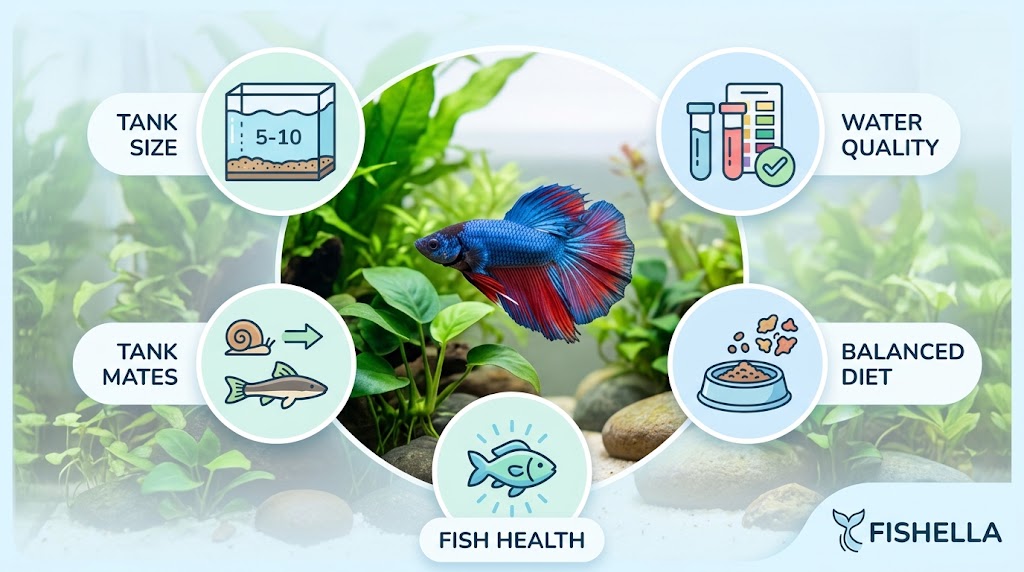
Betta fish typically live 2–5 years in captivity with proper care. Their lifespan depends on genetics, tank size, water quality, diet, and overall health. A heated, filtered aquarium and consistent maintenance can help your betta live a healthier, longer life.
If you just brought home a betta or you’re thinking about getting one, you’ve probably asked yourself: how long do betta fish live? It’s one of the first questions every new owner searches for, and the honest answer depends far more on you than on luck. With the right tank, food, and water care, a betta can live well beyond the one or two years that many pet-store fish sadly manage. In this guide, you’ll learn the real betta fish lifespan, what shortens it, and seven practical tips to help your fish live a long, colorful life.
How to Keep Your Betta Fish Healthy

A healthy betta is an active, curious, and colorful fish. Keeping your betta in top shape isn’t complicated once you understand what it actually needs day to day.
Here’s what a healthy betta setup includes:
- A heated tank that stays between 76°F and 82°F, since bettas are tropical fish and get sluggish in cold water
- Clean, filtered water with zero ammonia and nitrite
- A varied, protein-rich diet instead of the same pellet every single day
- Enough space to swim, explore, and rest without bumping into tank walls
- A calm environment free from constant tapping on the glass or aggressive tank mates
If you’re new to fishkeeping in general, it also helps to understand the basics that apply to most tropical species — our guide on how to take care of tropical fish covers the fundamentals that support any freshwater setup, betta tanks included.
Tips for Caring for Your Betta Fish
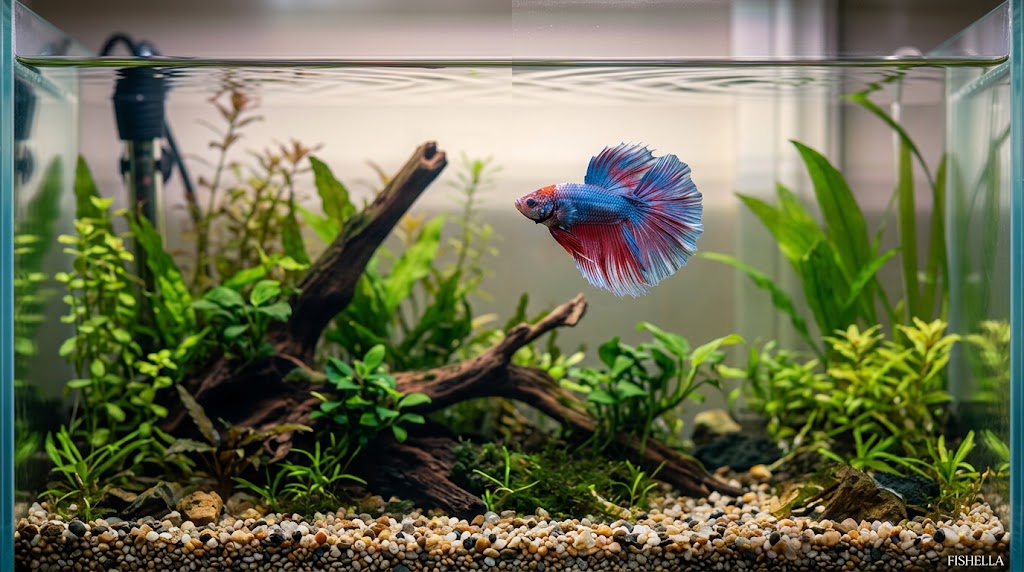
Good betta care comes down to consistency, not complexity. Most betta health problems trace back to one of a few repeated mistakes: a tank that’s too small, water that’s never tested, or a diet that never changes.
Keep these core habits in mind:
- Test your water weekly, even after the tank feels “established”
- Change 25–30% of the water every week to flush out waste
- Avoid sudden temperature swings during water changes
- Give your betta places to hide and explore, like silk plants or smooth caves
- Watch your fish daily — behavior changes are often the earliest sign something’s wrong
For a full walkthrough of setup, feeding schedules, and tank maintenance, check out our complete betta fish care guide, which goes deeper into everything mentioned above.
How Long Do Betta Fish Live?

How Long Do Betta Fish Live?
On average, betta fish live 3 to 5 years in captivity with proper care. Their lifespan depends on genetics, water quality, tank conditions, diet, and overall health.
Wild betta fish face different environmental challenges than fish kept in home aquariums. However, their exact lifespan can vary, so it is best not to assume that every wild betta lives for a specific number of years.
Several factors affect a betta fish’s lifespan:
- Genetics: Inherited traits can affect a betta’s health and longevity.
- Tank conditions: A suitable aquarium with stable water conditions supports better health.
- Water quality: Ammonia and nitrite buildup can harm your fish.
- Nutrition: A balanced, protein-rich diet helps support normal growth and health.
- Stress and disease: Poor tank conditions, incompatible tank mates, and untreated illness can affect lifespan.
Some bettas may live longer than five years, but exceptional lifespans should not be treated as typical. The best way to support your betta is to provide a suitable tank, stable warm water, proper nutrition, and consistent maintenance.
For more details about aquarium conditions, read our complete betta fish care guide.
7 Tips To Increase Your Betta’s Longevity

If you want your betta to live on the longer end of its lifespan, these seven habits make the biggest difference.
1. Choose the Right Tank Size

Skip the bowl. Bettas need at least a 5-gallon tank, with 10 gallons being even better for stable water quality.
- Bigger tanks dilute waste faster, keeping ammonia levels safer between water changes
- More space lets your betta swim, explore, and behave naturally instead of just floating in place
- A taller tank isn’t ideal — bettas prefer horizontal swimming room over height, since they breathe air at the surface
2. Cycle the Tank First

Never add a betta to a brand-new, uncycled tank. Cycling builds the beneficial bacteria that break down toxic ammonia before it can harm your fish.
- Run the tank empty (fishless cycling) for 3–6 weeks before adding your betta, using an ammonia source to feed the bacteria
- Test daily for ammonia and nitrite until both consistently read zero
- Skipping this step is one of the most common reasons new bettas die within the first few weeks, as explained in this detailed nitrogen cycle guide
3. Select the Right Tank Mates
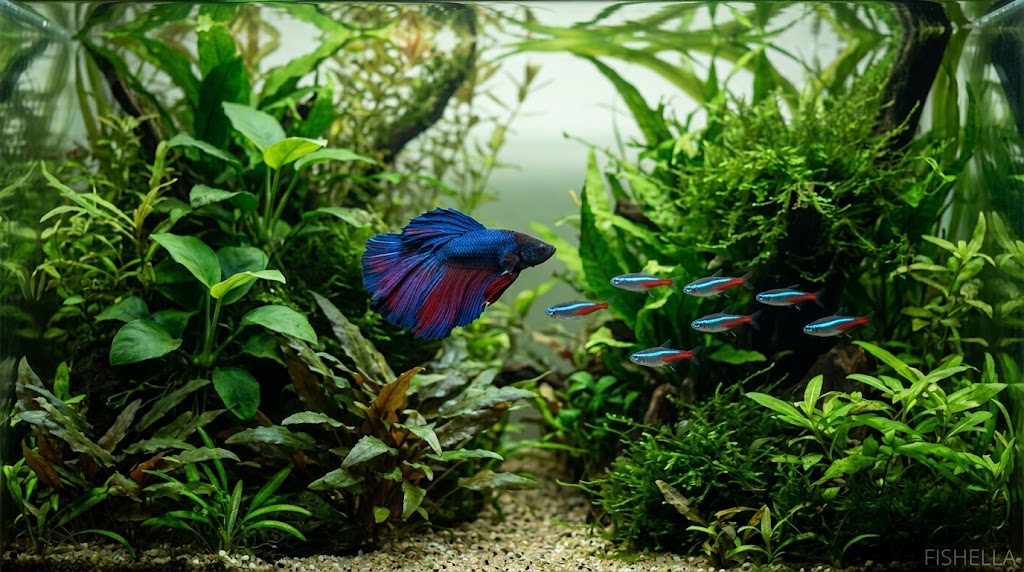
Male bettas are territorial and should never be housed with another male betta. But that doesn’t mean your betta has to live alone.
- Peaceful, fast-moving fish like corydoras or small tetras can sometimes work in larger tanks (10+ gallons)
- Avoid fin-nipping species and anything brightly colored that a betta might mistake for a rival
- If you’re considering a female betta or a sorority tank, read our female betta fish care guide first, since their social needs differ from males
4. Offer a Balanced Diet and Avoid Overfeeding
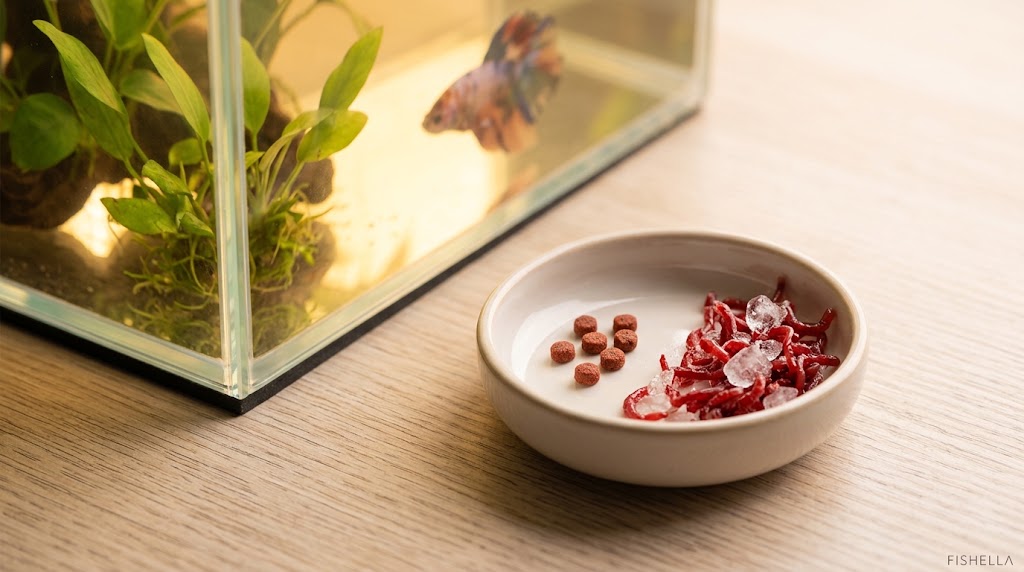
Bettas are carnivores, and their diet directly affects both health and lifespan.
- Feed high-quality betta pellets as the base of their diet
- Add variety with frozen or freeze-dried bloodworms, brine shrimp, or daphnia a few times a week
- Feed only what your betta can finish in about 2 minutes, once or twice a day
- Avoid substituting food not made for bettas — if you’re curious whether alternatives work, see our article on whether betta fish can eat goldfish food before trying it
5. Monitor and Maintain Water Quality
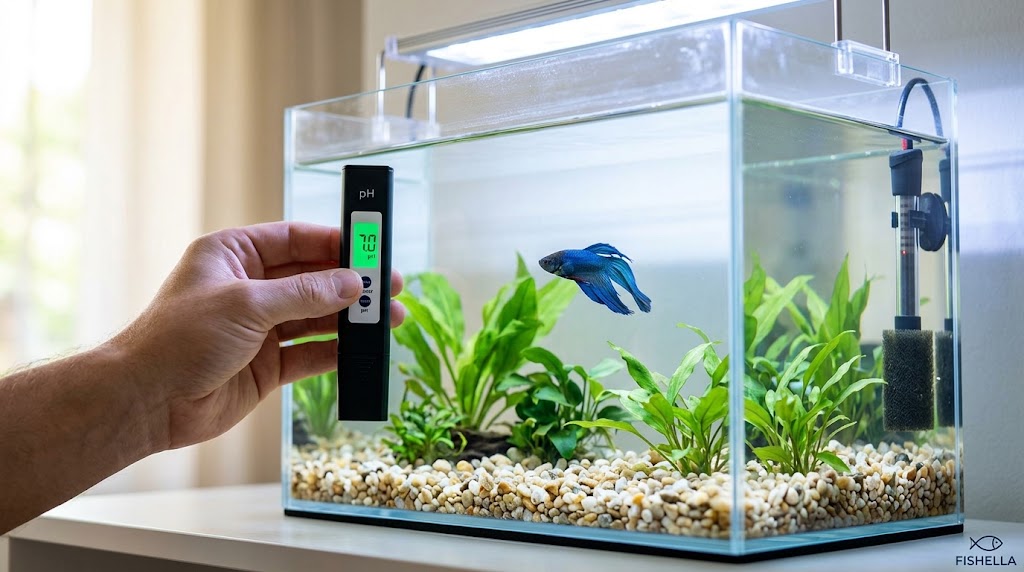
Good water quality is essential for a healthy betta fish. Even clear aquarium water can contain harmful waste, so regular testing is important.
Follow these water-care guidelines:
- Keep ammonia at 0 ppm.
- Keep nitrite at 0 ppm.
- Aim to keep nitrate below 20 ppm.
- Maintain a stable pH, generally around 6.5–7.5.
- Test your aquarium water weekly with a reliable water test kit.
- Use a water conditioner to treat tap water before adding it to the aquarium.
- Perform partial water changes based on your test results, tank size, stocking, and waste buildup.
Avoid changing all the water at once during routine maintenance. Preserve beneficial bacteria in the filter and on aquarium surfaces to help maintain a stable, cycled tank.
For more information, read our guide on how to cycle a fish tank.
6. Minimize Stress
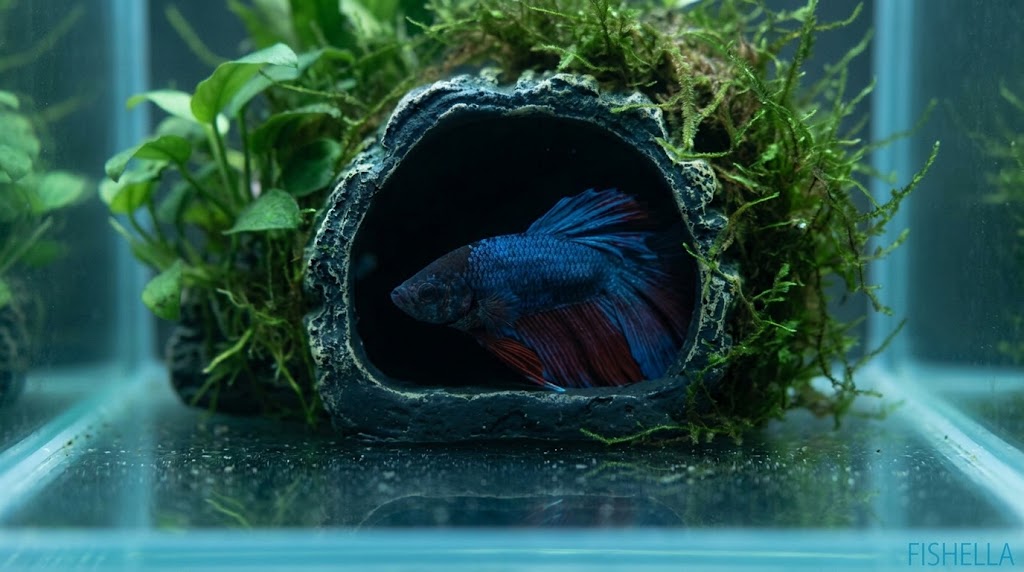
A stressed betta is a vulnerable betta. Chronic stress weakens the immune system and shortens lifespan over time.
- Keep the tank in a quiet area, away from loud speakers or heavy foot traffic
- Provide hiding spots so your betta can retreat when it wants privacy
- Avoid overcrowding the tank with too many decorations or tank mates
- Keep the lighting on a consistent day-night cycle instead of leaving it on 24/7
7. Treat Illnesses Promptly

Catching problems early can be the difference between a quick recovery and a shortened lifespan.
- Watch for warning signs like clamped fins, loss of appetite, faded color, or lethargy
- Quarantine any new fish before adding them to your main tank
- Treat common issues like fin rot or ich as soon as you notice symptoms, rather than waiting to see if they resolve on their own
- Keep basic medications on hand so you’re not scrambling during an outbreak
FAQs
Is it better to have 1 or 2 betta fish?
It’s best to keep only one male betta per tank, since males are territorial and will fight if housed together. Two female bettas can sometimes coexist in a larger tank, but a single betta is always the safest choice.
What happens before a betta fish dies?
Before dying, a betta often becomes lethargic, loses its appetite, and shows faded or dull coloring. You may also notice clamped fins, labored breathing, or the fish resting at the bottom or top of the tank for long periods.
Are betta fish hard to keep alive?
Betta fish aren’t hard to keep alive once you understand their basic needs, but they’re often mismanaged due to myths about bowls and low maintenance. With a proper tank, heater, and clean water, they’re actually quite hardy.
Can betta fish live 10 years?
A 10-year lifespan is sometimes reported, but it is exceptional and should not be considered a normal expectation. Most betta fish live around 3 to 5 years in captivity with proper care. Genetics, water quality, diet, and tank conditions all influence how long a betta lives.
Final Thoughts
So, how long do betta fish live? Most live 2 to 5 years, but with the right tank size, clean water, balanced diet, and a low-stress environment, many owners see their bettas reach 5 to 7 years or more. Longevity isn’t about luck — it’s about consistency in the basics covered above.
Pingback: Best Tank Size for Betta Fish: A Beginner's Guide (2026)