Can betta fish eat fish flakes? Yes, they can, and many bettas accept them without complaint. However, flakes should not be the main part of a betta’s diet. Bettas need a protein-rich menu, and many general flakes are made for omnivorous community fish. This guide explains when flakes make sense, how to pick a better staple food, and how much to feed.
Can Betta Fish Eat Fish Flakes Safely?
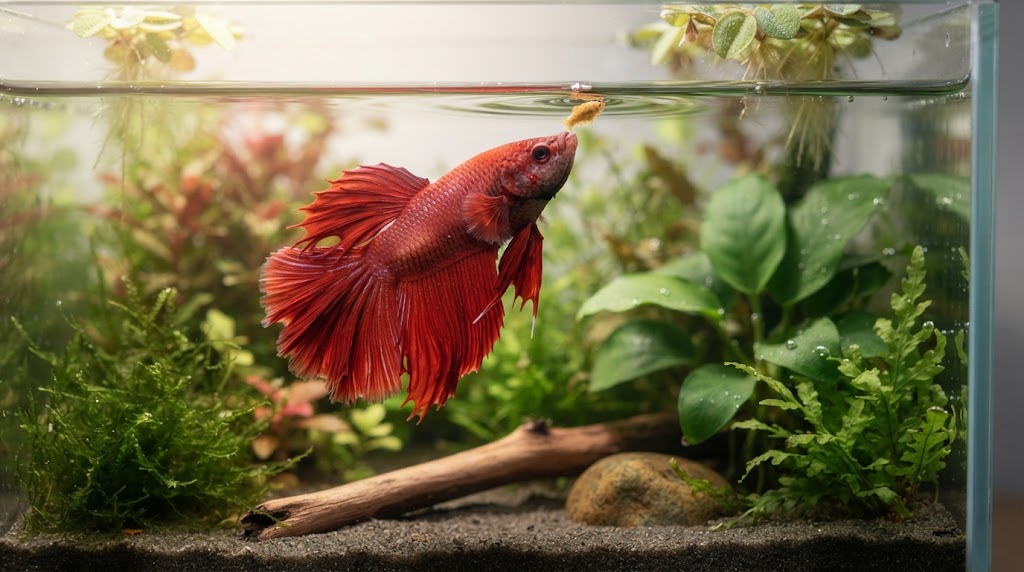
Flakes are safe in small amounts, and a good-quality tropical flake can serve as a short-term backup if you run out of pellets. Bettas have upturned mouths built for catching insects at the surface, so floating flakes suit their feeding style.
The trouble starts with long-term use. In the wild, bettas mostly eat insects and their larvae, while many flakes contain more plant ingredients than that diet suggests. Flakes also break apart quickly and can cloud the water.
- Advantages: easy to find, they float at the surface, and they work as an occasional backup.
- Drawbacks: they often contain less animal protein, they dissolve fast and foul the water, and they are easy to overfeed.
What Bettas Need in Their Diet
Bettas do best on a diet built around animal protein. Check the label: fish meal, shrimp, or krill should sit near the top of the ingredient list, and filler grains should not dominate. Our best betta fish food guide compares popular choices. For background on how fish foods work, see this overview of fish food.
- A betta-specific pellet as the daily staple
- Frozen or freeze-dried foods such as bloodworms, brine shrimp, or daphnia for variety
- Treats limited to a few times a week
- An occasional fasting day if your fish looks bloated
Soak freeze-dried foods for a minute before feeding, since dry pieces can swell inside the fish and cause bloating.
Pellets vs Flakes
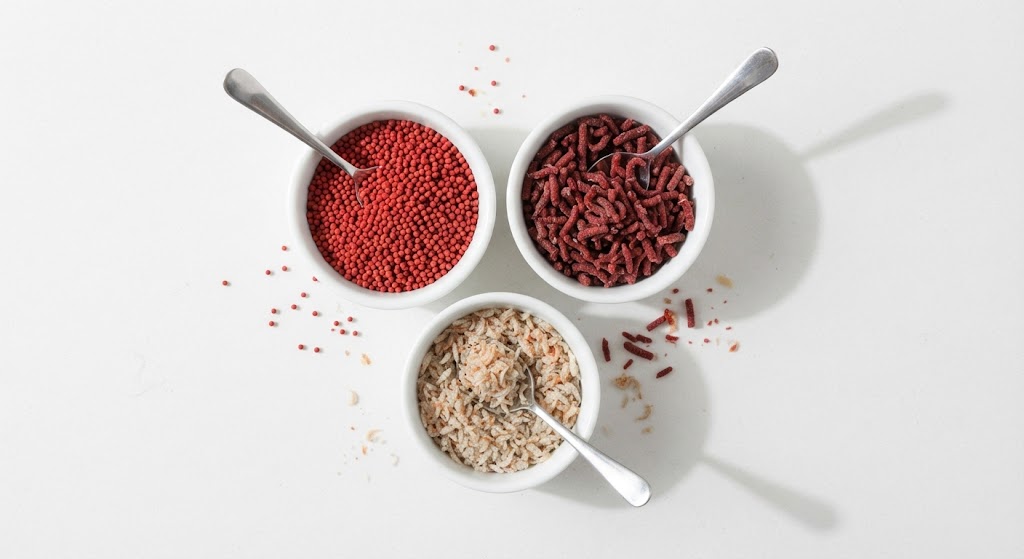
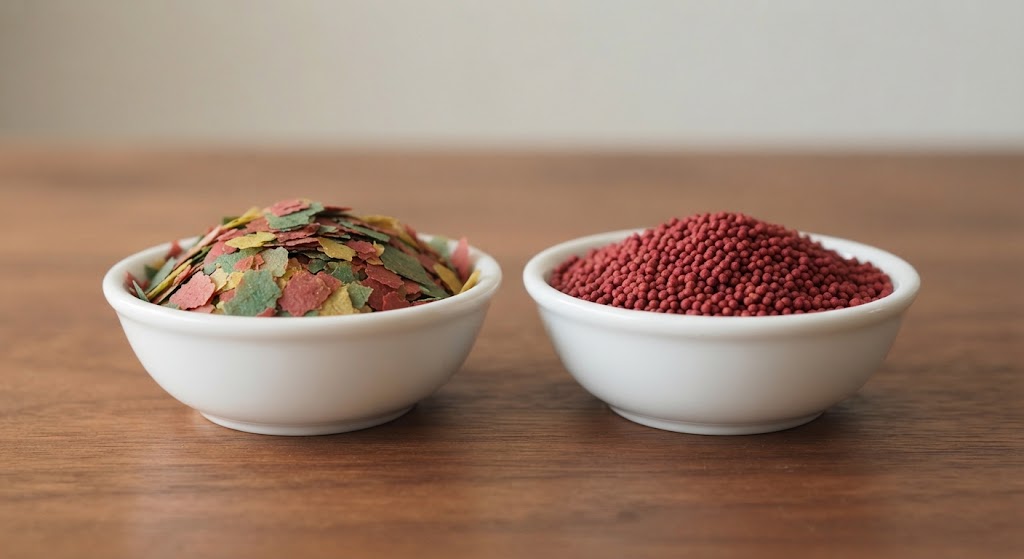
So can betta fish eat fish flakes if pellets are better? Yes, but pellets usually give you more control. They keep their shape longer, hold nutrients better, and make portions easy to count. If your betta tends to gulp air while eating, soak a pellet for a few seconds first.
- Pellets: easier to portion, less water cloudiness, and often higher in protein.
- Flakes: convenient, but messier and easier to overfeed.
- Frozen foods: excellent variety, though you need freezer space and careful thawing.
Whether you feed flakes occasionally or use betta pellets as a staple, portion control matters. Read how many pellets to feed a betta fish for guidance on measuring pellet portions.
How to Feed Flakes the Right Way
If you still choose flakes after asking can betta fish eat fish flakes, follow a careful routine so they do not harm your water quality.
- Feed a tiny pinch that your betta finishes in about two minutes.
- Crush large flakes into smaller pieces so the fish can swallow them easily.
- Remove uneaten food with a small net or siphon.
- Pair flakes with a quality pellet or frozen food on other days.
- Avoid goldfish or cold-water flakes as a regular diet, because those foods target different fish.
How to Pick a Better Staple Food
Reading a label takes less than a minute and tells you more than any front-of-pack claim. Look for a food made for bettas, with small pellets that fit their mouths.
- Choose foods that list whole fish, shrimp, or krill first
- Avoid labels that start with wheat or other fillers
- Buy small containers, since vitamins fade after you open a bag
- Store food in a cool, dry place with the lid sealed
How Often Can Betta fish Eat Fish Flakes?
Most adult bettas do well with small meals once or twice a day. A portion of two to four pellets per meal fits many setups, though pellet size and brand recommendations differ, so follow the label and watch your fish’s belly. A rounded belly right after eating is normal. A bloated shape that lasts needs a fasting day. Our guide to betta fish overfeeding and bloating explains the signs.
- Feed at the same times each day
- Watch the belly shape after meals
- Skip a meal if you see bloating
- Adjust portions as your fish ages or changes activity

A Simple Weekly Feeding Plan
A routine keeps feeding easy and balanced. Many keepers use a plan like this one, and you can adjust it to fit your betta.
- Most days: two to four pellets once or twice daily
- Two or three days a week: replace one meal with a frozen or soaked freeze-dried treat
- Once a week: skip feeding for a day, which many keepers do to support digestion
- Flakes: use them only on days when pellets run out
What If Your Betta Refuses New Food?
Many bettas stay loyal to the first food they ever ate, and a sudden switch can lead to a hunger strike. A slow change works better, and patience usually pays off within a week or two.
- Mix a few pieces of the new food with the old food at first
- Increase the new portion slowly over several days
- Soak the new pellet briefly so it smells stronger
- Remove ignored food after a couple of minutes
Signs Your Betta Is Not Handling the Food Well
Bettas can be picky, and their bodies react quickly to poor food or too much of it. Watch for changes in behavior or appearance after a diet change.
- Spitting out the food repeatedly
- A swollen belly or difficulty swimming
- Constipation, which shows as a lack of waste
- Lethargy or hiding more than usual
Frequently Asked Questions
Can betta eat fish flakes every day?
You can, but a pellet-based diet with frozen foods as extras gives better balance. Use flakes as a backup rather than a staple.
Are goldfish flakes safe for betta fish?
A single meal will not harm your betta, but goldfish foods target a different diet and do not make a good long-term choice.
How long can a betta go without food?
Healthy adult bettas can usually skip a day or two, but you should not leave them without food for long periods. Ask a trusted neighbor to feed a measured portion if you travel.
Final Thoughts
Yes, can betta fish eat fish flakes in small amounts, but they should only be used as an occasional backup rather than a primary diet. Bettas are strict carnivores whose natural diet consists of high-protein insects and mosquito larvae. While standard fish flakes might seem convenient, they often contain fillers like plant matter and grains that a betta’s digestive system struggles to process efficiently, which can lead to bloating or digestive issues.
For optimal health, color vibrancy, and longevity, a high-quality betta-specific pellet supported by nutrient-rich frozen foods (such as bloodworms or brine shrimp) is far better. This balanced approach keeps your fish much healthier and ensures your tank water stays cleaner for longer periods.
To learn more about setting up proper feeding schedules and tank maintenance, read our complete betta fish care guide. Additionally, you can explore the FishBase Betta splendens profile to understand the species’ natural dietary habits in the wild.