
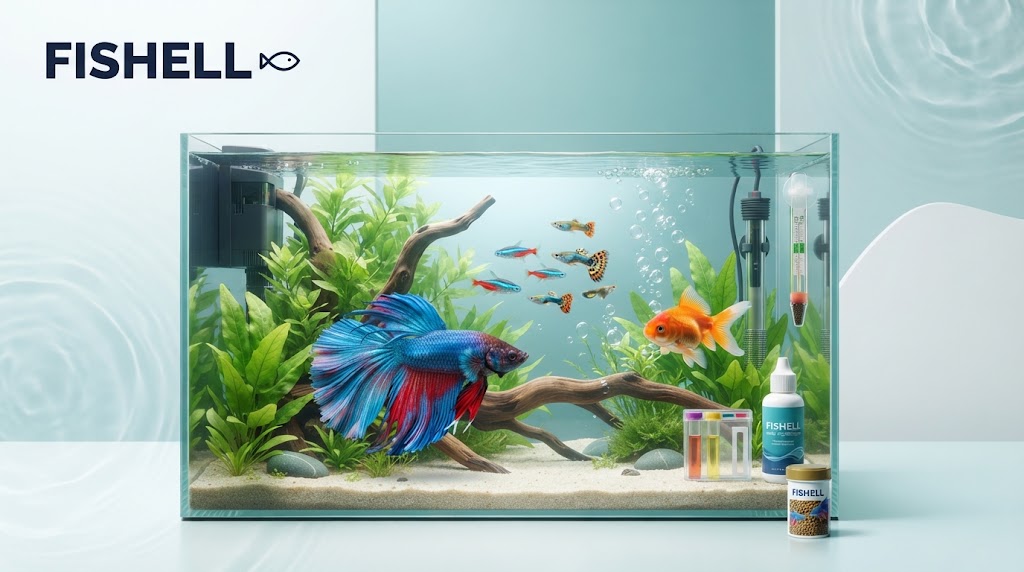
Good fish care starts long before you bring your new pet home. It begins with the right tank, clean water, a balanced diet, and a little patience. Many beginners lose fish in the first few weeks because nobody explained how an aquarium actually works. This guide walks you through every step, so you can build a stable home where your fish live a full, healthy life.
What Fish Care Really Means
Fish care means more than dropping flakes into a bowl each morning. You are building a small ecosystem. Your fish breathe, eat, and produce waste in the same water, so you must manage that water carefully.
Strong fish care rests on five pillars:
- A properly sized, cycled tank
- Stable water temperature and quality
- A species-appropriate diet
- Compatible tank mates
- Regular observation and maintenance
If you master these five areas, you prevent most common problems before they start.
Choose the Right Fish for Your Situation

Before you buy anything, decide which fish suit your space, budget, and schedule. Hardy species like bettas, guppies, and white cloud minnows forgive small mistakes. Sensitive species like discus demand strict water control and experience.
If you want a calm, colorful community, start with our guide on how to take care of tropical fish. It explains temperature ranges, stocking rules, and the basic routines every tropical tank needs. Still deciding? Browse our list of the best fish pets to compare beginner-friendly options.
Research each species before you buy. Check its adult size, temperament, lifespan, and water preferences. A cute two-inch fish in a store tank may grow into a foot-long giant that outgrows your aquarium within a year.
Pick the Right Tank Size
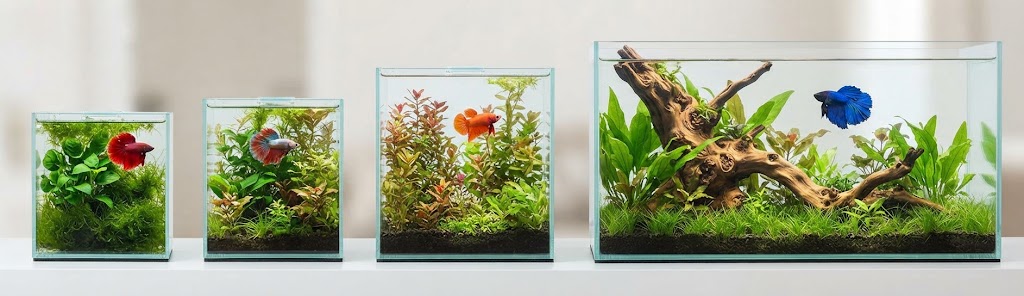
Tank size affects everything: water stability, swimming space, and fish stress. Small tanks look convenient, but they change quickly. A single missed cleaning can spike ammonia in a few hours, while a larger volume dilutes waste and gives you more time to react.
Betta fish show this clearly. Many people ask whether a betta fish can live in a 1 gallon tank. It can survive there, but it rarely thrives. Most experts recommend at least five gallons, and our breakdown of the best tank size for betta fish explains why. If you shop in metric units, check how many litres a betta fish needs. Not sure about a mid-size option? Read whether a 2.5 gallon tank is good for betta fish, or compare a 5 gallon vs 10 gallon tank for betta fish to see how extra space improves water quality and behavior.
As a general rule, buy the largest tank your budget and space allow. Bigger tanks give you a wider margin for error, and that is the best gift a beginner can receive.
Set Up Your Aquarium Correctly
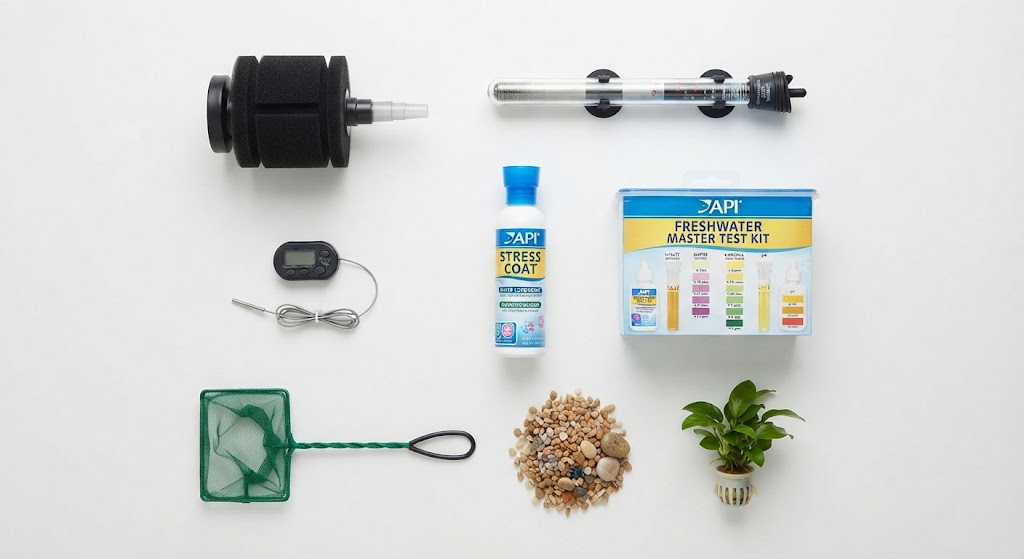
Gather your equipment before you add water. A basic setup needs:
- A filter rated for your tank size
- A heater with an adjustable thermostat (for tropical species)
- A thermometer you can read at a glance
- A water conditioner to remove chlorine and chloramine
- A test kit for ammonia, nitrite, nitrate, and pH
- Substrate and decorations that suit your fish
- A lid or cover, since many species jump
Rinse the substrate and décor with plain water, never soap. Fill the tank, add conditioner, and start the equipment. Then cycle the tank before you add any fish.
Understand the Nitrogen Cycle
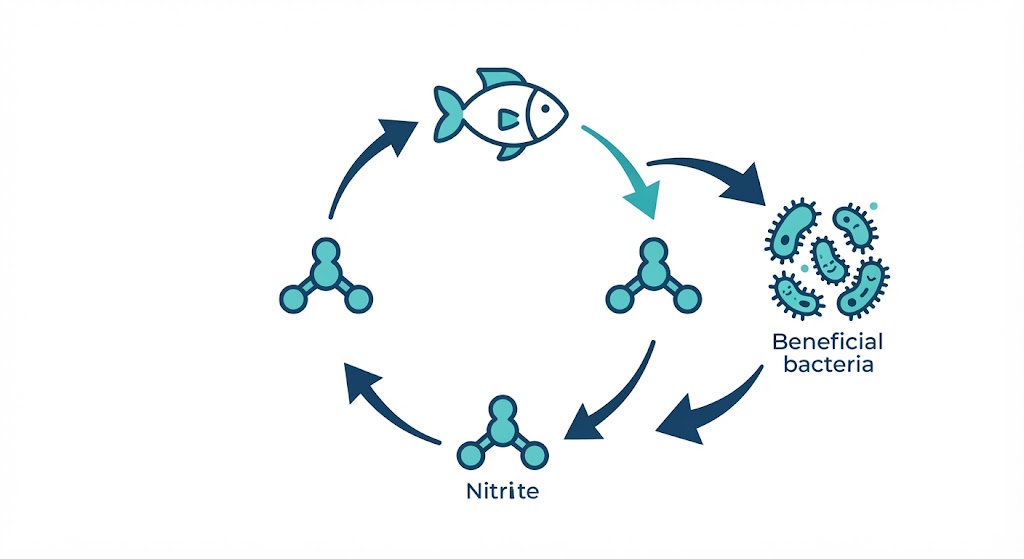
New aquarium owners often skip this step, and it causes more fish deaths than almost anything else. Fish release ammonia through their gills and waste. Ammonia is toxic. Beneficial bacteria convert it into nitrite, which is also toxic, and then into nitrate, which is far less harmful. Water changes remove the nitrate.
These bacteria need time to grow on your filter media and surfaces. A new tank usually takes four to six weeks to cycle fully. During that time, add a small source of ammonia and test the water every few days. When ammonia and nitrite both read zero and nitrate appears, your tank is ready for fish.
The American Veterinary Medical Association offers general guidance on responsible pet ownership, and the Merck Veterinary Manual explains how poor water quality harms aquatic animals. You can also find test kits and educational resources from API Fishcare.
Keep Water Quality and Temperature Stable
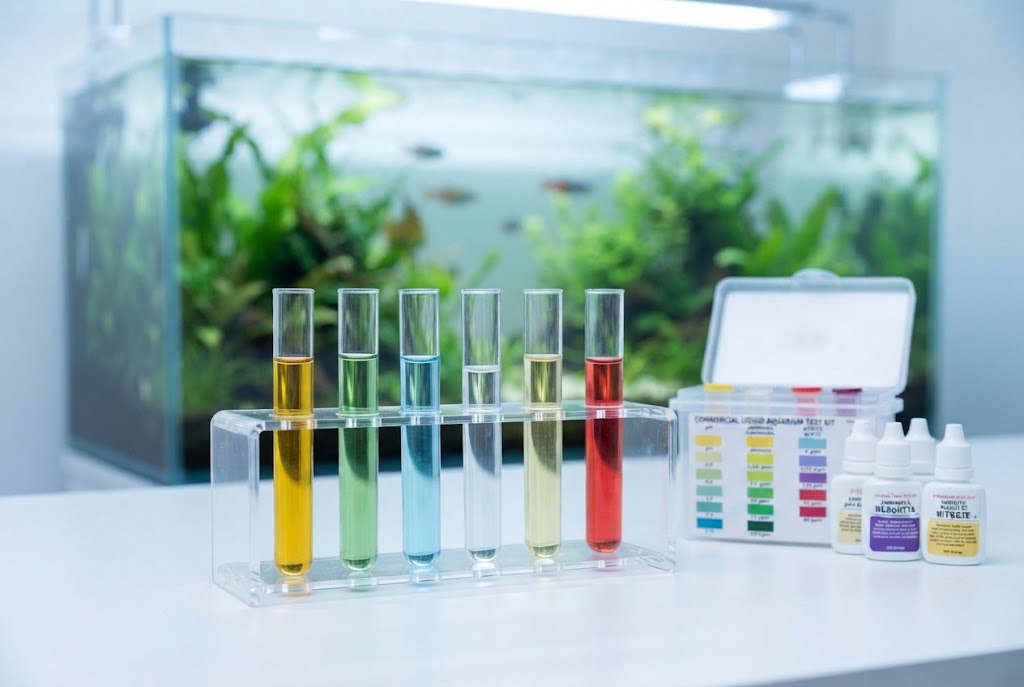
Stable water matters more than perfect water. Fish handle steady conditions better than frequent swings, even if the numbers are not ideal.
Aim for these general targets, then adjust for your species:
- Ammonia: 0 ppm
- Nitrite: 0 ppm
- Nitrate: below 40 ppm
- Temperature: 76–80°F for most tropical fish, 65–72°F for coldwater species like goldfish
- pH: 6.5–7.8 for most community fish
Test weekly. Replace 20 to 30 percent of the water each week, and always treat new water with conditioner before it touches your fish. Match the temperature of the new water to the tank to avoid shock.
Feed Your Fish a Balanced Diet
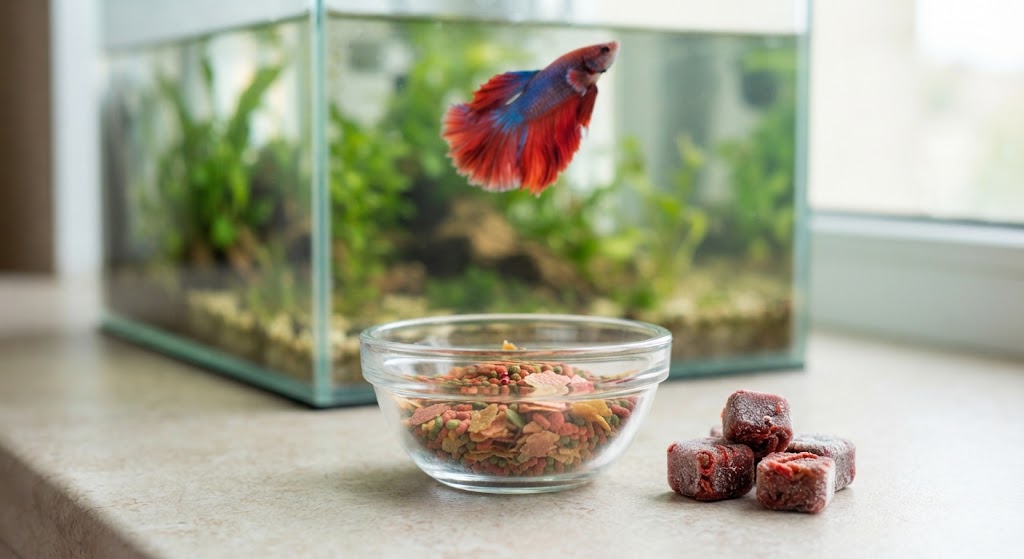
Overfeeding is the most common mistake in fish care. Fish rarely tell you when they have eaten enough, and uneaten food rots, fouls the water, and fuels algae.
Feed small portions once or twice a day. Give only what your fish finish in about two minutes. Most pet fish do well with a high-quality pellet or flake as the staple, plus occasional frozen or live foods like brine shrimp and bloodworms.
Species matter here. Carnivores like bettas need protein-rich food, while herbivores like some plecos need vegetables and algae wafers. Many owners wonder whether betta fish can eat goldfish food. The short answer is no, since the nutrient profile does not match. If you prefer variety, you can try a homemade betta fish food recipe that uses safe, fresh ingredients.
Watch for warning signs. A fish that refuses food may suffer from stress, poor water, or illness, and our article on why your betta fish is not eating lists the common causes and fixes. A swollen belly often signals digestion trouble, which you can read about in our guide to betta fish overfeeding and bloating.
Choose Compatible Tank Mates
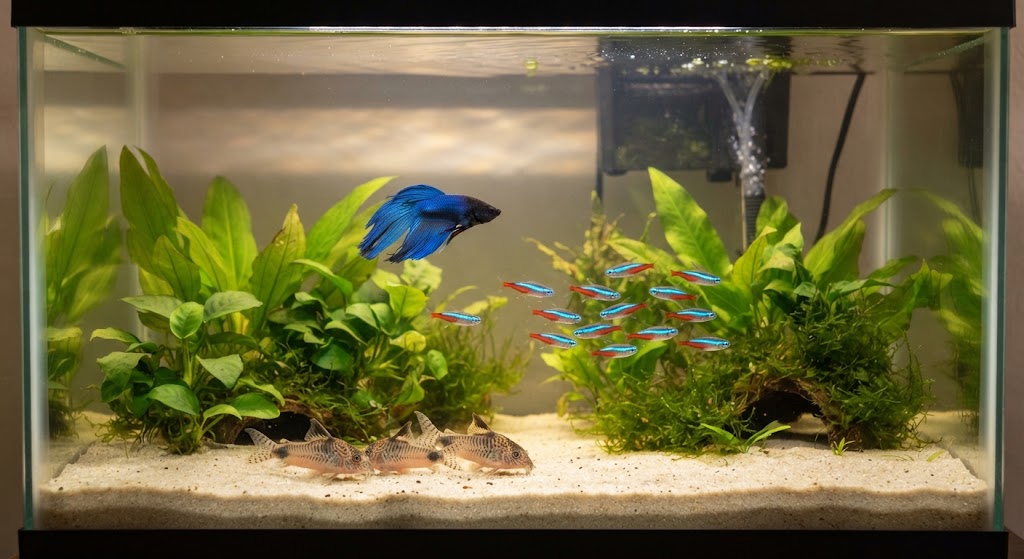
Peaceful fish can turn into bullies when you pair them badly. Before you add a second species, check temperament, size, water needs, and swimming level.
Bettas are a classic example. Some bettas live peacefully with calm companions, while others attack anything that moves. Our guide to betta fish tank mates shows which species work and which to avoid. If your fish already shows constant fin-flaring or chasing, read about aggressive betta fish to learn what triggers this behavior and how to manage it.
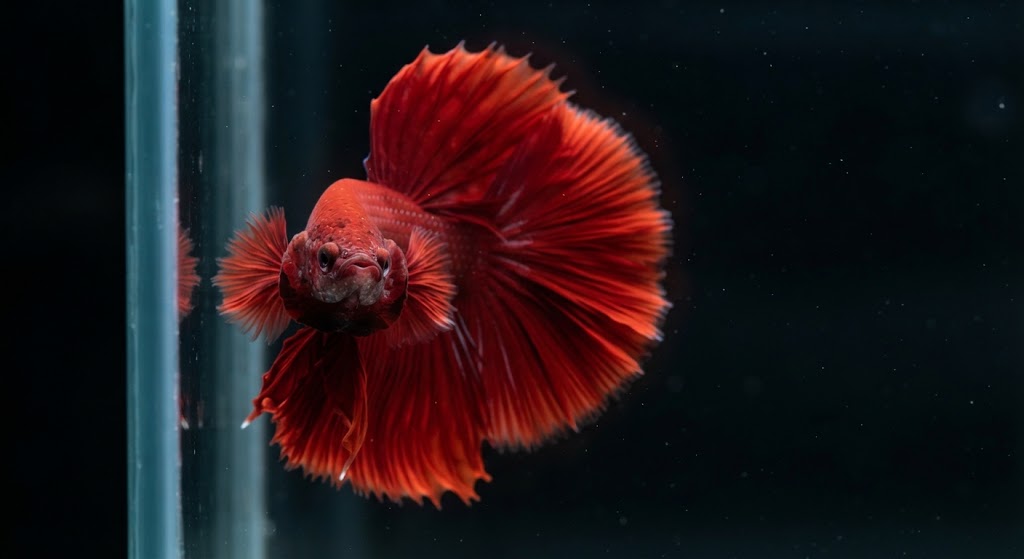
Female bettas behave differently from males. People often assume females always get along, but female betta fish do not always avoid fights. Learn the details in our female betta fish care guide before you build a sorority tank.
Quarantine every new fish in a separate tank for two to four weeks. This simple habit keeps parasites and disease out of your main aquarium.
Learn Species-Specific Needs
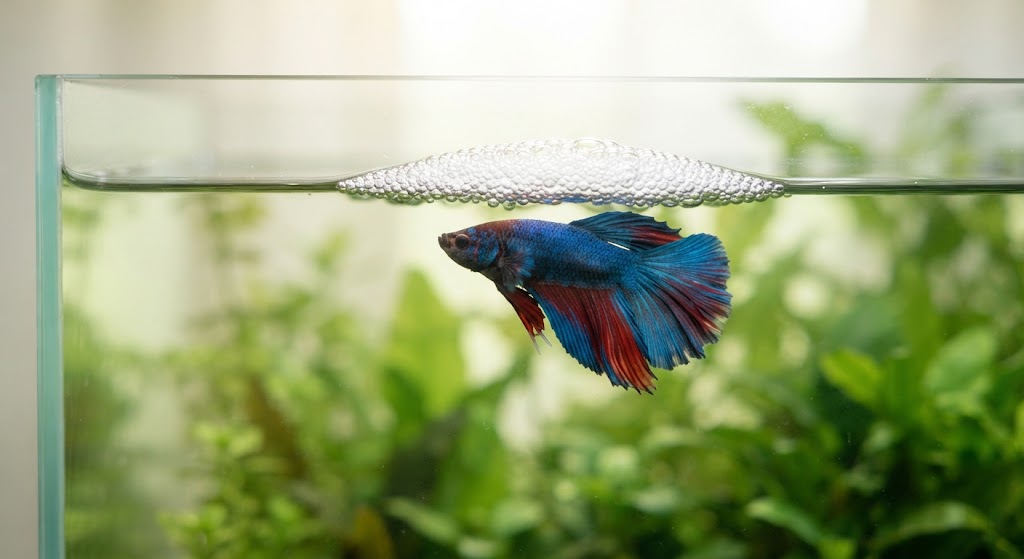
General advice only takes you so far. Each species has its own preferences, and the best fish care adapts to them.
Betta fish are a popular starting point, and our complete betta fish care guide covers heating, filtration, feeding, and enrichment in depth. Bettas also create bubble nests, which can confuse new owners. If you notice foam collecting near the surface, read why your betta fish makes bubbles at the top of the tank. It is usually a healthy sign.
Lifespan also varies. With proper care, bettas often live three to five years, and you can learn more in our article on how long betta fish live. If you plan to breed, understand the demands first. Our post on how many times you can breed your betta explains the limits that protect your fish’s health.
Spot Illness Early
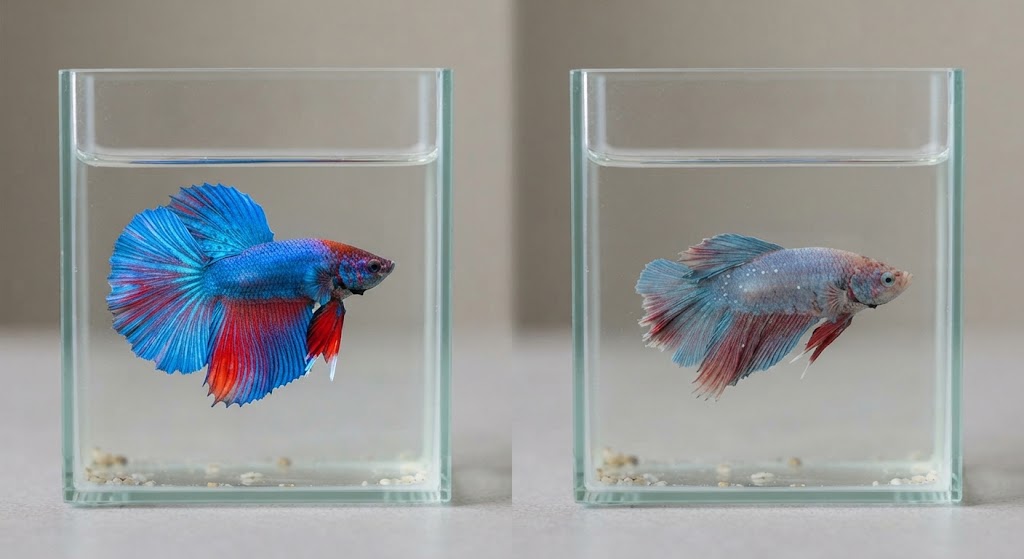
Healthy fish swim actively, eat eagerly, and show bright color. Learn what normal looks like, because early detection saves lives.
Watch for these red flags:
- White spots on the body or fins (possible ich)
- Clamped or torn fins
- Gasping at the surface
- Cloudy eyes
- Faded color or lethargy
- Scratching against objects
- Bloated belly or raised scales
When you notice a symptom, test the water first. Poor water causes most fish illness. Fix the water, then treat the specific disease. Move sick fish to a hospital tank when possible so you protect the rest of the community. For serious or unclear cases, consult an aquatic veterinarian.
Build a Simple Maintenance Routine
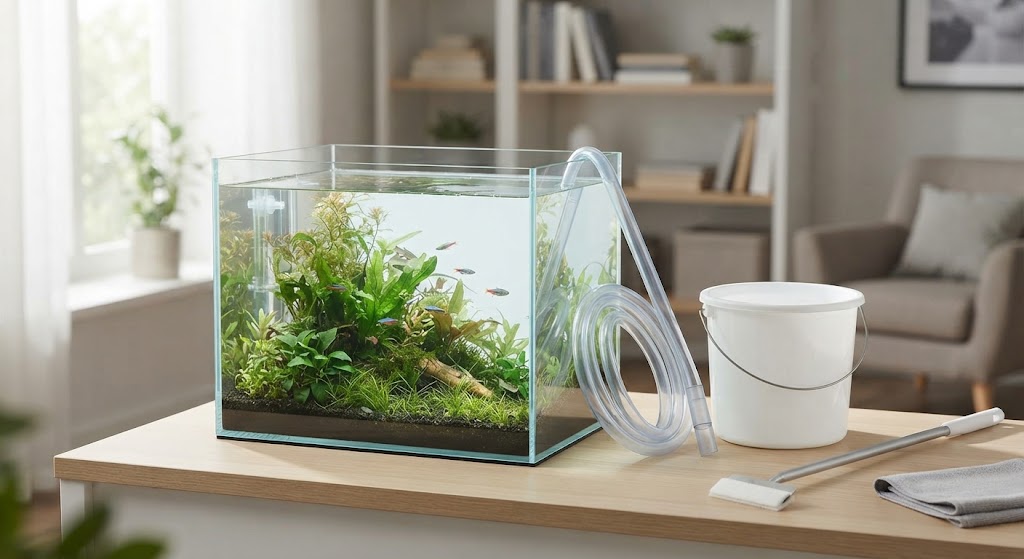
Consistency beats intensity. A short routine prevents most disasters.
Daily: Feed lightly, check the temperature, and look at every fish.
Weekly: Test water, change 20–30 percent, and wipe algae from the glass.
Monthly: Rinse filter media in old tank water (never tap water), trim plants, and clean decorations.
Every few months: Inspect the heater, replace worn filter parts, and review your stocking.
Never replace all your filter media at once. You will destroy the bacteria that keep your tank safe.
Avoid Common Mistakes
Even experienced hobbyists slip up. Watch out for these frequent errors:
- Adding fish before the tank cycles
- Overstocking the aquarium
- Overfeeding
- Skipping water tests
- Mixing incompatible species
- Using tap water without conditioner
- Making sudden changes to temperature or pH
Also, never release unwanted pets into local waterways. Released fish can become invasive and harm native wildlife. The U.S. Fish and Wildlife Service provides guidance on responsible pet disposal and rehoming.
Frequently Asked Questions
How often should I clean my fish tank?
Change 20 to 30 percent of the water weekly and rinse the filter monthly. Avoid full tank cleanings, which remove helpful bacteria.
Do fish need a filter?
Yes. A filter circulates water and houses the bacteria that process waste. Even hardy species suffer without one.
How many fish can I keep in my tank?
Stocking depends on adult size, waste output, and filtration, not a single rule. Start with fewer fish than you think you can hold, then add slowly.
Can I use tap water?
Yes, if you treat it with a conditioner that removes chlorine and chloramine.
How do I know if my fish is happy?
Happy fish explore, eat well, show vivid color, and rest in natural positions.

Final Thoughts
Great fish care comes down to a few steady habits: choose the right tank, cycle it, keep the water clean, feed in moderation, and watch your fish closely. You do not need expensive gear or years of experience. You need patience, curiosity, and a willingness to learn from each tank you run.
Start with one species, learn its needs, and build from there. Your fish will reward you with color, personality, and years of calm enjoyment.
Pingback: Lucky Fish for Home: 7 Best Choices and Where to Place Them