
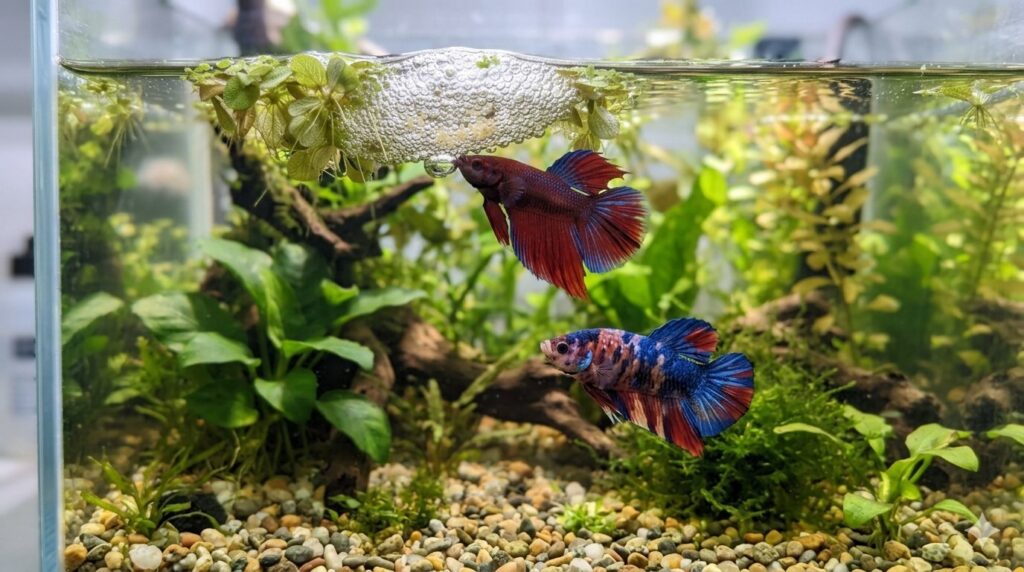
How many times can I breed my betta? A healthy betta can spawn multiple times, but you shouldn’t breed it too often with short breaks. Female bettas can develop eggs again after spawning, while males may need time to recover and finish caring for eggs and fry. For responsible breeding, it is better to focus on the health of the fish rather than trying to produce as many spawns as possible.
A practical approach for hobby breeders is to allow at least 3–4 weeks between spawning sessions for a female and to wait until both fish have fully recovered before breeding again. There is no scientifically fixed number of times a betta can safely breed, because recovery depends on age, body condition, nutrition, water quality, breeding stress, and the individual fish.
How Many Times Can I Breed My Betta Safely?
There is no universal lifetime number for how many times a betta can breed. A healthy adult pair may produce multiple spawns, but repeated breeding without enough recovery time can place unnecessary stress on the fish.
Female bettas need to produce and carry eggs, while males spend time guarding the bubble nest, eggs, and newly hatched fry. During spawning, the pair may also experience chasing, flaring, biting, and physical contact. UF/IFAS notes that betta spawning commonly occurs over a short period and that the male remains responsible for caring for the fertilized eggs and newly hatched larvae.
Because individual fish recover at different rates, do not breed simply because a certain number of days have passed. Look at the condition and behavior of the fish first.
How Often Can a Female Betta Breed?
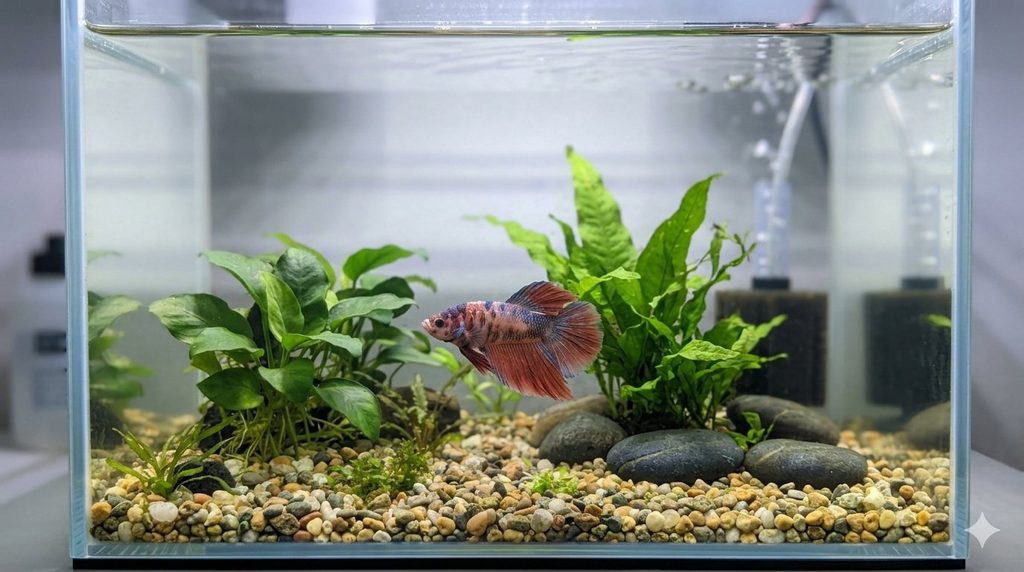
A female betta may develop eggs again after spawning, but egg production does not mean she is ready for another breeding attempt.
Some hobbyist sources report that females may develop eggs within a relatively short period, especially when they receive rich conditioning foods. However, there is no reliable rule that every female should be bred every 1–2 weeks.
A safer approach is to give the female at least 3–4 weeks of recovery after spawning before considering another breeding attempt. Some females may need longer, especially if they lost body condition, suffered injuries, or had a difficult spawn.
The goal should be a strong, healthy female—not the fastest possible breeding schedule.
How Many Times Can I Breed My Betta in a Month?
For most home breeders, trying to breed the same female several times in one month is not a desirable goal.
A female may appear to have eggs again before her body has completely recovered from the previous spawn. Breeding too soon can add more physical stress and may increase the chance of injury during another aggressive spawning attempt.
Waiting around 3–4 weeks or longer gives you time to condition the fish, monitor their body condition, and make sure any injuries have healed.
If the female still looks thin, weak, stressed, or injured, wait longer.
How Many Times Can I Breed a Male Betta?
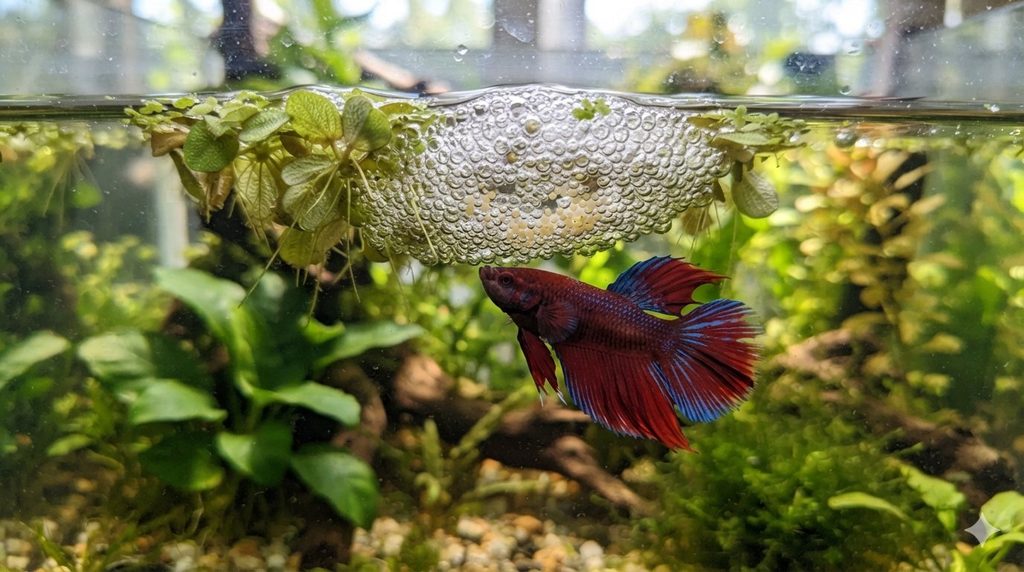
Male bettas can also breed multiple times, but males should not be treated as if they need no recovery.
After spawning, the male usually remains with the bubble nest and cares for the eggs. UF/IFAS explains that the male picks up falling eggs and places them in the bubble nest, then continues caring for the eggs and newly hatched larvae.
This means the male has work to do after spawning. He should be given time to recover after the fry are removed and should be returned to normal feeding and maintenance before another breeding attempt.
A practical approach is to allow at least a couple of weeks of recovery for the male, with longer rest if he looks thin, stressed, or injured.
Why Should You Wait Between Betta Breeding Sessions?
The main reason to wait is simple: breeding is stressful and recovery matters.
During spawning, the female may be chased and repeatedly contacted by the male. Bettas are also naturally territorial, and males can become highly aggressive around their breeding area. UF/IFAS describes male bettas as highly aggressive fish and explains that males defend their bubble nests.
After spawning, both fish need good food, clean water, stable conditions, and time to regain normal body condition.
Waiting also gives you time to:
- Heal damaged fins or scales
- Restore body condition
- Maintain good water quality
- Feed a balanced, protein-rich diet
- Monitor for disease
- Raise and separate the fry
- Prepare the next breeding setup
How Do I Know My Female Betta Is Ready to Breed Again?
Do not use egg development alone as your signal.
A female that is ready for another breeding attempt should first appear healthy and active. She should eat normally and have good body condition without obvious wounds or signs of illness.
You can look for:
- Normal swimming behavior
- Strong appetite
- No serious fin or body injuries
- Good body condition
- No signs of disease
- Normal response to her surroundings
- A healthy appearance after the previous spawn
If your female is still recovering from the previous breeding attempt, give her more time.
For more information about general better care, see our guide: Betta Fish Care: Complete Beginner’s Guide.
How Do I Know My Male Betta Is Ready to Breed Again?
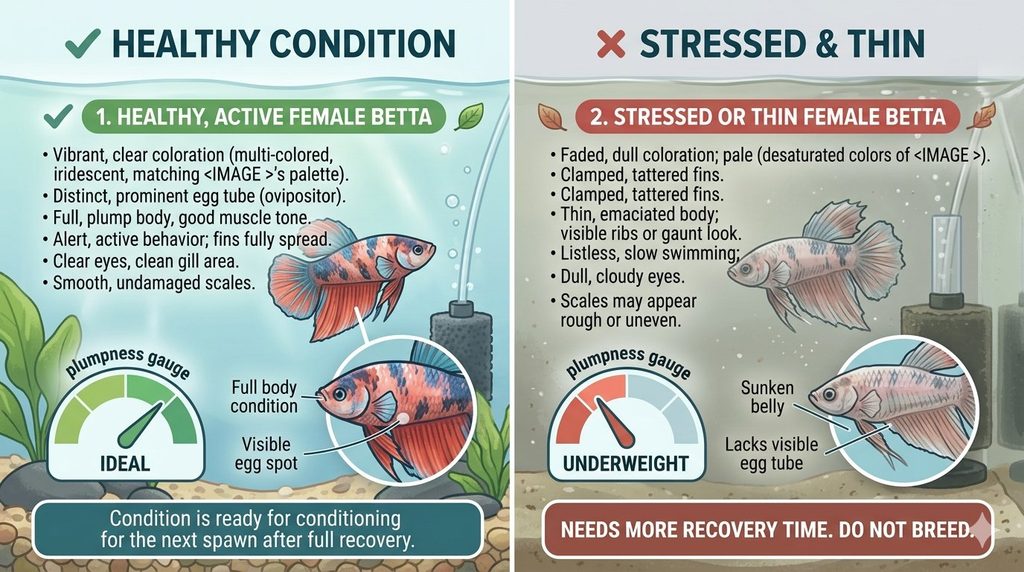
The male should also be completely recovered before another breeding attempt.
A healthy male should be active, eating normally, and free from obvious injuries. If he has damaged fins, appears unusually weak, refuses food, or shows signs of illness, postpone breeding.
Remember that the male may spend several days caring for the eggs and larvae. UF/IFAS reports that larvae absorb their yolk sacs at about three days after hatching and are then moved to grow-out tanks in commercial culture.
Once the previous brood has been handled and the male has recovered, you can begin preparing him for another breeding attempt.
Does Feeding More Protein Make Betta Breeding Faster?
Good nutrition is important for breeding, but feeding more food does not mean you should breed the fish more frequently.
UF/IFAS notes that nutrition is important in betta culture and that breeder fish can benefit from suitable live or frozen foods in addition to dry diets. It also warns that overfeeding and poor food quality can contribute to water problems.
Conditioning should help the fish maintain good body condition. It should not be used to force repeated breeding before the fish has recovered.
Feed appropriately and keep the breeding tank clean. Extra food should not be allowed to rot in the aquarium.
What Happens If You Breed Bettas Too Often?
Breeding too frequently can prevent fish from getting enough time to recover.
A female that repeatedly loses body condition may become weaker over time. Injuries from spawning can also become a problem if they are not given enough time to heal.
Other problems may include:
- Poor body condition
- Increased stress
- Fin or scale damage
- Poor appetite
- Greater vulnerability to disease
- Poor-quality eggs or fry
- Reduced breeding performance
These problems are not guaranteed to happen after a specific number of spawns. Fish respond differently, which is why watching the individual fish is more useful than following an aggressive breeding schedule.
The Merck Veterinary Manual also explains that successful fish breeding depends on species-specific nutrition and environmental conditions, including water conditions and temperature.
How Long Should I Wait Between Betta Spawns?
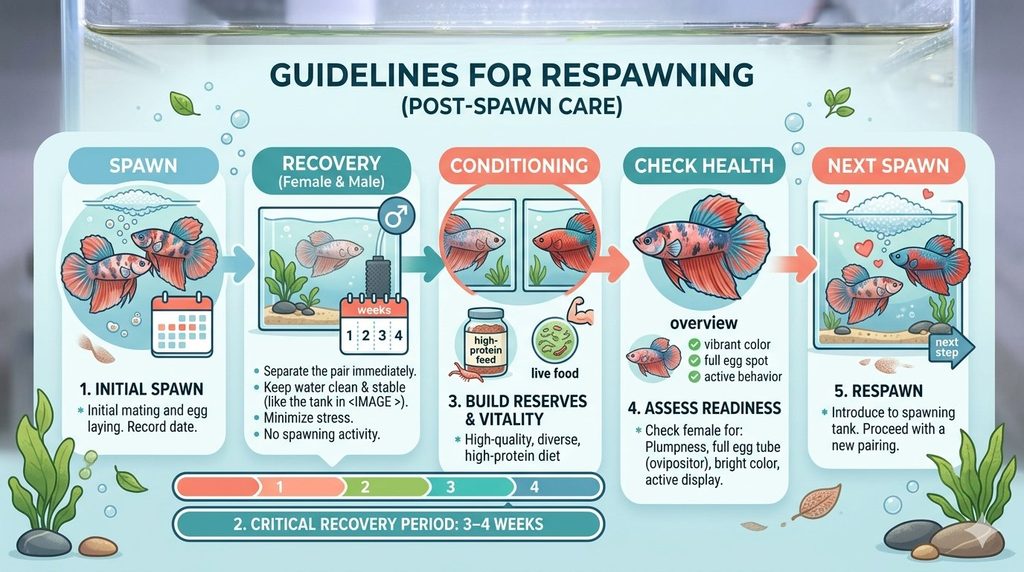
For a home breeding setup, 3–4 weeks is a reasonable minimum recovery period for a female, provided she has fully recovered.
However, this should not be treated as a strict biological rule. If the female is still thin, injured, stressed, or not eating normally, wait longer.
For males, allow time to finish caring for the previous brood and then give them additional recovery time before another spawning attempt.
A simple rule is
Healthy fish + full recovery + good water quality + proper conditioning = better time for another breeding attempt.
Can a Female Betta Breed Without a Male?
A female betta can produce and carry eggs without a male, but those eggs will not become fertilized fry without sperm from a male.
This is an important distinction. Seeing a female with a rounded abdomen or visible eggs does not automatically mean she needs to be bred immediately.
Egg development is only one part of the breeding process. The fish still needs suitable environmental conditions and a healthy breeding partner.
What Is the Best Age to Breed Betta Fish?
Breeding age depends on the individual fish, its condition, and the breeder’s goals.
Instead of choosing fish only by age, focus on healthy adult fish with good body condition and desirable traits. Avoid breeding fish that are sick, severely injured, extremely thin, or otherwise unhealthy.
If you are preparing a breeding pair, make sure both fish are eating well and have been maintained in stable water conditions before introducing them.
How Many Fry Can Betta Fish Produce?
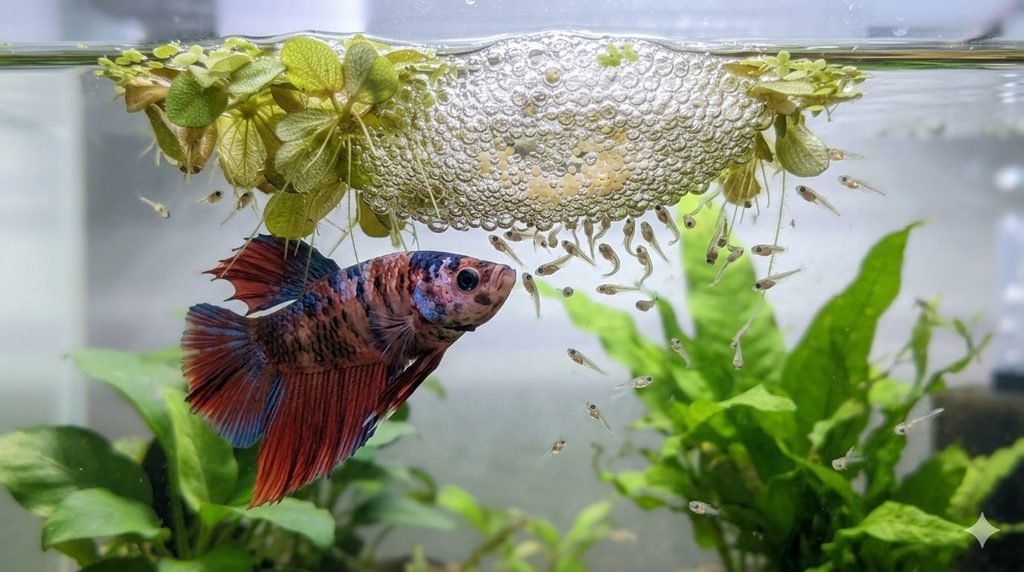
A betta spawning event can produce many eggs. UF/IFAS reports about 300 eggs per spawning event in its description of commercial betta culture, although actual numbers can vary considerably between spawns.
Not every egg will hatch, and not every fry will survive to adulthood.
This is another reason not to breed repeatedly without planning. Even one successful spawn can produce more young fish than a beginner expects.
Before breeding, make sure you have a realistic plan for raising, separating, and eventually rehoming the young bettas.
How to Give Bettas a Safe Recovery Period
After spawning, move your attention from breeding to recovery.
Give the fish clean, stable water and appropriate food. Check the female for injuries after she is removed from the breeding tank, and monitor the male while he cares for the eggs and fry.
Avoid unnecessary handling. Sudden changes in water conditions can create additional stress.
Good water quality is especially important because poor water conditions can affect fish health. UF/IFAS identifies water quality, nutrition, and disease prevention as important parts of betta care.
You can also read our guide on How to Cycle a Fish Tank. Fast if you are preparing a stable aquarium for your breeding setup.
What Is the Safest Betta Breeding Schedule?
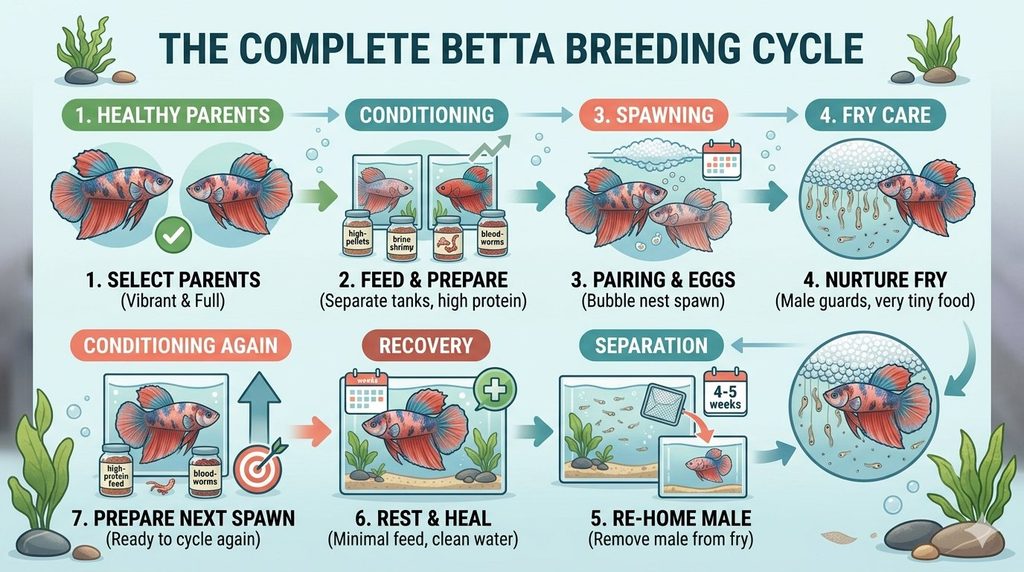
For beginners, a simple schedule is easier to manage:
Spawn → Separate the female → Raise the fry → Allow both parents to recover → Condition again → Consider another spawn.
For the female, aim for at least 3–4 weeks between spawns, and extend the break if she has not fully recovered.
For the male, allow him to finish caring for the eggs and fry, then provide recovery time before another breeding attempt.
There is no prize for producing the most spawns. Healthy parents and healthy fry should be the main goals.
Final Answer: How Many Times Can I Breed My Betta?
So, how many times can I breed my betta? There is no fixed lifetime limit that applies to every betta. A healthy betta can potentially breed multiple times, but the safe frequency depends on the individual fish and how well it recovers.
For a responsible home breeding program, give the female at least 3–4 weeks between spawning attempts and do not breed her again until she has regained good body condition. The male should also have time to complete his nest and fry-care duties and recover before another spawn.
Most importantly, do not breed a betta simply because enough days have passed. Watch the fish, not just the calendar.
Healthy nutrition, stable water, good tank conditions, and adequate recovery time are more important than maximizing the number of spawns.
Frequently Asked Questions
How many times can I breed my betta?
A healthy betta can breed multiple times during its reproductive life, but there is no universal lifetime number. The fish should be fully recovered before each new breeding attempt.
How long should I wait between betta breeding?
For a female, waiting at least 3–4 weeks between spawning attempts is a reasonable conservative approach. Wait longer if she is still thin, stressed, injured, or recovering.
Can I breed my female betta every week?
It is better not to make weekly breeding a routine. A female may develop eggs again quickly, but egg development does not mean her body has fully recovered from the previous spawn.
How long should a male betta rest after breeding?
Give the male enough time to finish caring for the eggs and fry, followed by recovery time. At least a couple of weeks is a practical starting point, but extend the rest period if he is not in normal condition.
Can betta fish breed year-round?
Domestic bettas can breed when suitable environmental conditions are provided. In nature, breeding can be influenced by seasonal environmental conditions. UF/IFAS reports wild bettas moving to shallow water edges to breed during the breeding season in Thailand.
Should I breed my betta if it has damaged fins?
No. Allow the fish to recover first. Breeding should not be attempted while a betta is sick, severely stressed, or recovering from significant injury.
Is breeding betta fish stressful?
Breeding can involve chasing, flaring, biting, and physical contact. Because of this, both fish need careful monitoring and proper recovery after spawning.
Where can I learn more about betta breeding and care?
The University of Florida IFAS guide to Betta splendens provides detailed information about betta culture, spawning, nutrition, water quality, and fry care. The Merck Veterinary Manual’s fish breeding guide also explains general fish reproduction and the importance of nutrition and environmental conditions.


Pingback: Pearl Betta Blue Spots: Causes, Signs and What to Do