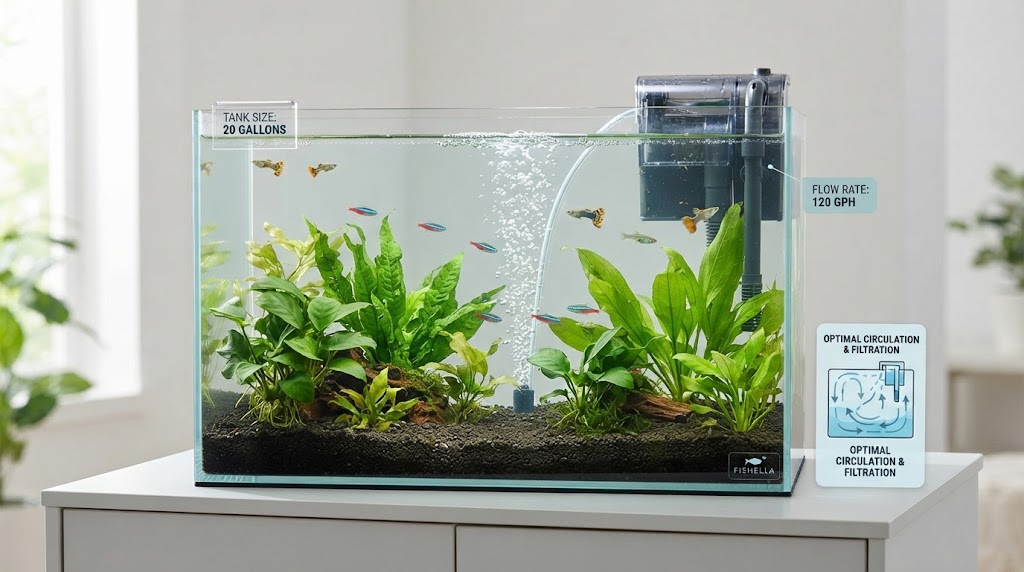
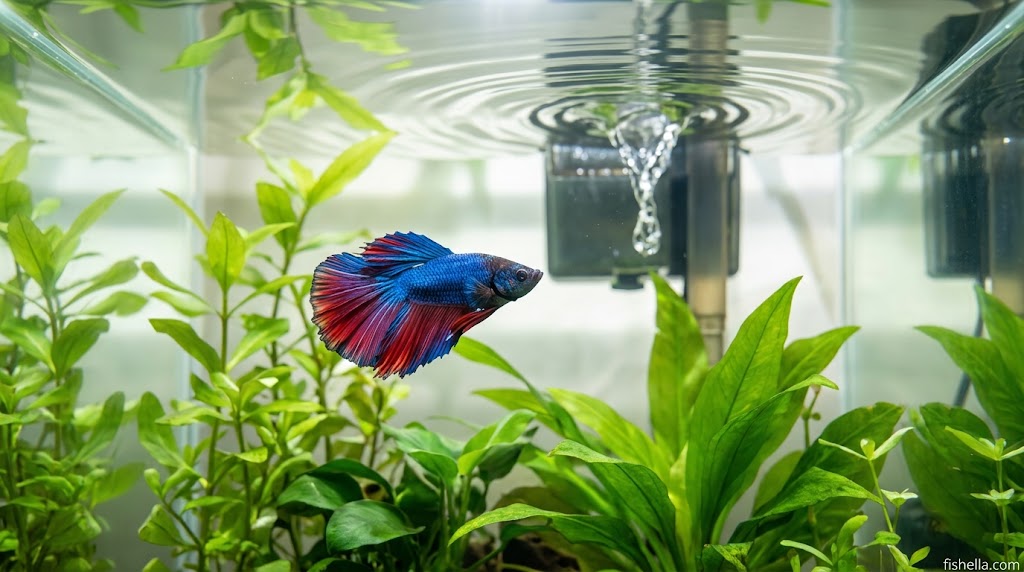
The safest way to clean an aquarium filter sponge without killing bacteria is to squeeze it gently in a bucket of old tank water, never under the tap. Chlorine in tap water wipes out the beneficial bacteria living inside the sponge, and that colony is what keeps your fish alive.
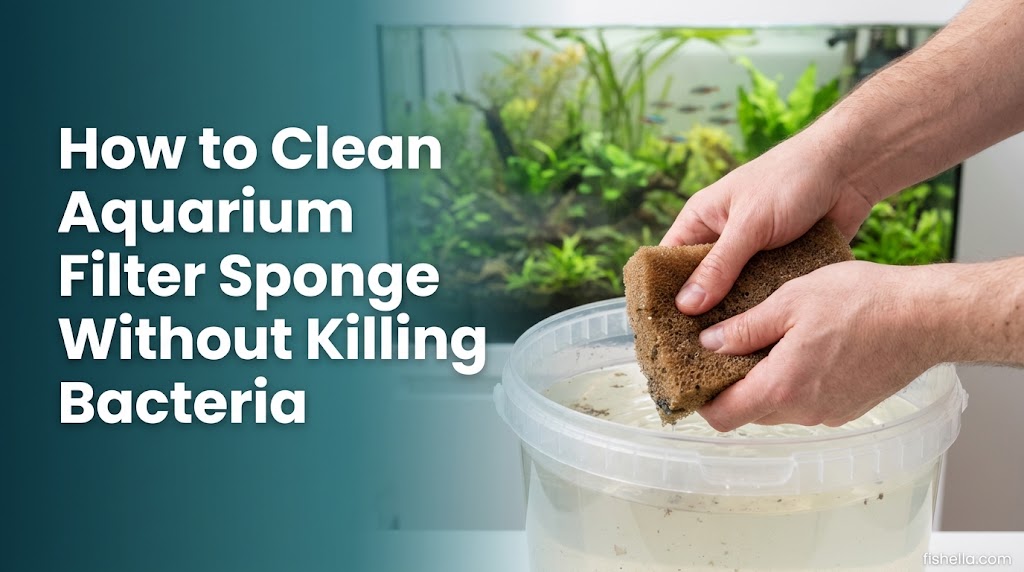
Here is the quick version. Remove the sponge, swish it in a bucket of water you just siphoned from the tank, squeeze until the worst debris is gone, and put it back. Don’t scrub it white. A sponge that looks a little brown and lived-in is a healthy one.
Why does this matter so much? Your filter does more than strain out floating bits. The sponge is home to billions of bacteria that turn toxic ammonia from fish waste into nitrite, and then into far less harmful nitrate. Lose that colony and ammonia can spike within days.
In this guide, you will learn exactly how to clean your aquarium filter sponge, how often to do it, how the process differs for each filter type, and the mistakes that cause most tank crashes. For the rest of your routine (glass, gravel, and water changes), see our full guide to cleaning a fish tank.
Why Beneficial Bacteria in Your Filter Sponge Matter
Beneficial bacteria are the quiet workers of every healthy aquarium. They cling to any surface with good water flow, and a porous filter sponge gives them an enormous amount of room to settle.
They run the nitrogen cycle, turning ammonia into nitrite and then into nitrate. If you are setting up a new tank, our fish tank cycling guide covers that process in detail.
Most of that work happens inside your filter, not in the gravel or on the glass. That is why cleaning the sponge the wrong way can do so much damage, and why learning to protect beneficial bacteria is the most useful skill in filter maintenance.
How Often to Clean Aquarium Filter Sponges (and When to Wait)
The short answer: clean your aquarium filter sponge every four to six weeks, or sooner if the water flow slows noticeably. Many people clean far too often, which keeps the bacteria colony from ever getting established.
A simple schedule by filter type
- Sponge filter: every 3 to 4 weeks, or when bubbling slows
- Hang on back filter: rinse the media every 4 to 6 weeks. If you’re comparing filtration options for your aquarium, read our guide to the best hang-on-back aquarium filters to find a suitable filter for your tank size, budget, and maintenance needs.
- Canister filter: every 2 to 3 months, depending on stocking
- Heavily stocked or messy tanks (goldfish, cichlids): check monthly
A better guide than the calendar is the flow itself. If the output has weakened, the sponge is clogged. If flow is strong, leave it alone. For your weekly water change and gravel routine, see the fish tank cleaning guide.
If you’re setting up a small betta aquarium, check out our guide to the best filter for a 5-gallon betta tank to find a filter that keeps the water clean without creating a strong current.
What You Need Before You Start
Gather everything first so the sponge spends as little time out of the water as possible. Bacteria can begin dying within minutes of drying out.

- A clean bucket used only for your aquarium (no soap residue)
- A water change siphon or cup
- Dechlorinator, just in case
- Gloves or clean hands
Do this on the same day as a routine water change. You will already have a bucket of tank water ready, which is exactly what you need.
Step-by-Step: How to Clean Aquarium Filter Sponge Without Killing Bacteria
This is the core method, and it works for nearly every sponge-based setup.
Step 1: Unplug the filter
Turn the filter off before you open it. Running it dry can damage the motor, and you don’t want to spill gunk back into the tank.
Step 2: Remove the sponge quickly
Lift the sponge out and move it straight into your bucket. Keep it wet at all times. Even a few minutes of air exposure can harm the colony.
Step 3: Rinse the filter media in old tank water
Submerge the sponge in the bucket of water you siphoned out of the tank. Squeeze and release several times, like wringing a dishrag gently. Brown sludge will pour out. Keep going until the water coming out is only lightly cloudy. Explore the best aquarium filter media for effective biological, mechanical, and chemical filtration.

Step 4: Stop before it looks brand new
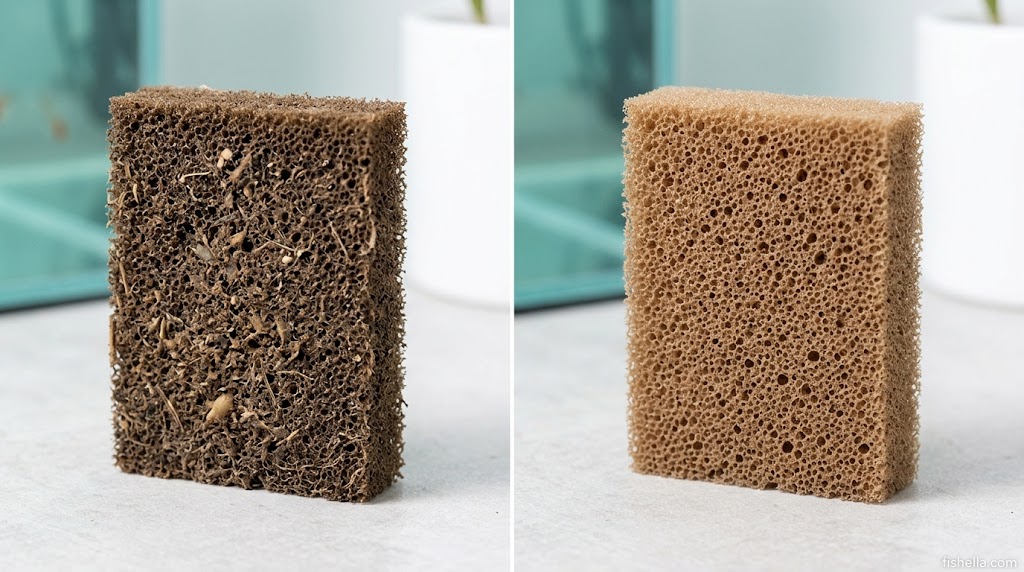
Resist the urge to scrub. You are removing trapped waste, not sterilizing the sponge. Leftover color means leftover bacteria, and that is what you want.
Step 5: Reinstall and restart
Place the sponge back in the filter, refill the housing with tank water if needed, and plug it in. Check that water flows normally within a minute or two.
Cleaning Different Filter Types Safely
The same rule applies to every filter: use tank water, be gentle, and never replace everything at once.

Sponge filter
A sponge filter is the simplest to maintain. Pull it out, squeeze it in tank water, and drop it back in. Because it is one big sponge, you are cleaning the entire biological filter in one go, so be especially gentle.
Hang on back filter
A hang on back filter usually contains a cartridge, a sponge, or both. Skip the advice on the box to swap cartridges every month. Instead, rinse the cartridge in tank water and replace it only when it falls apart. If you must replace it, cut off a portion and keep the old one in the filter for a few weeks so bacteria can move over.
Canister filter
A canister filter holds several trays of media, so clean one tray at a time over a few months. That way, a large part of your bacteria colony is always untouched. Rinse the sponge pads and ceramic rings in tank water, and never put them in the dishwasher or under hot water. Explore our aquarium filtration guides to learn how to choose, maintain, and improve your fish tank’s filter for cleaner water and healthier fish.
Filter Cleaning Mistakes That Kill Beneficial Bacteria
One careless cleaning session is enough to crash a healthy tank. Watch out for these.
- Rinsing the sponge under the tap. Chlorine and chloramine kill the colony on contact.
- Squeezing it dry or scrubbing it white. You remove the bacteria along with the dirt.
- Leaving the sponge out of the water. More than a few minutes in the air can start killing the colony.
- Swapping every sponge, cartridge, and ceramic ring at once. Always leave part of the media untouched.
- Using soap, bleach, or hot water on the media. Even a trace can harm fish and bacteria.
If you are ever unsure, do less. A slightly dirty filter is far safer than a spotless one with no bacteria.
Signs You Cleaned Too Hard
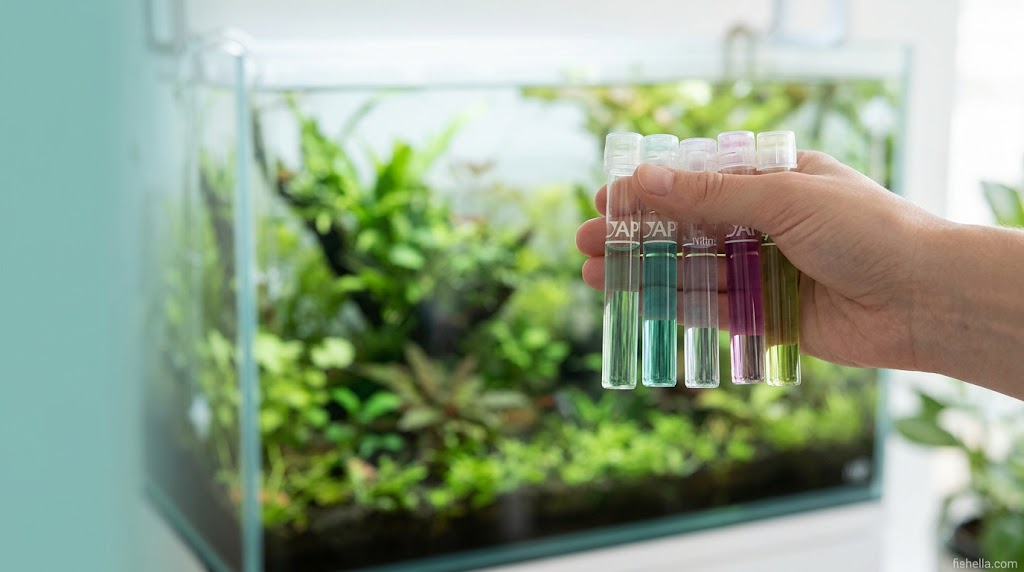
After cleaning, watch your tank for a week or two. Cloudy water, a sudden ammonia or nitrite reading, or fish gasping at the surface can all signal a damaged colony. Test the water with a liquid test kit and do partial water changes until readings return to zero. If the readings keep climbing, the tank may be re-cycling, so our fish tank cycling guide explains how to read the numbers.
Frequently Asked Questions
Can I clean my filter sponge with tap water?
Only if you treat the water with dechlorinator first. Even then, tank water is the safer choice because it matches the temperature and chemistry your bacteria are used to.
How do I know when my aquarium filter sponge needs cleaning?
Watch the water flow. A weak stream, slower bubbling in a sponge filter, or a visibly clogged sponge means it is time to clean it.
Should I replace my filter sponge?
No, not unless it is torn or crumbling. A mature sponge holds a large bacteria colony, so replacing it resets your biological filtration. If you must replace it, keep the old one running next to the new one for about a month.
Can I clean the filter and do a water change on the same day?
Yes, and it is a convenient way to get the tank water you need for rinsing. Just avoid changing more than 25 to 30 percent of the water at once.
What if I accidentally washed the sponge under the tap?
Don’t panic. Test your water daily for ammonia and nitrite, feed lightly, and do small water changes if readings rise. Most tanks recover within a couple of weeks.
Conclusion: Keep It Gentle and Keep It Simple
Cleaning your aquarium filter sponge does not need to be stressful. Rinse it in old tank water, squeeze gently, stop before it looks new, and space out your cleanings. Follow those habits and you will protect the beneficial bacteria that keep your fish healthy.
Want the full routine? Read our complete guide to cleaning a fish tank for glass, gravel, and water changes, then explore more filter tips in the Aquarium Filtration section.