Affiliate Disclosure: As an Amazon Associate, I earn from qualifying purchases. This means I may earn a commission when you buy products through links on this page, at no extra cost to you.
How to slow down aquarium filter flow depends on your filter type and the strength of the current. To slow down aquarium filter flow, turn down the flow dial, point the outlet at the glass or a plant, cover the outlet or intake with aquarium foam, add a baffle, or switch to a sponge filter. Combine two methods if one is not enough. For bettas, you want surface ripples that are barely visible, not a current that pushes the fish.
Why Too Much Water Flow Is a Problem for Bettas
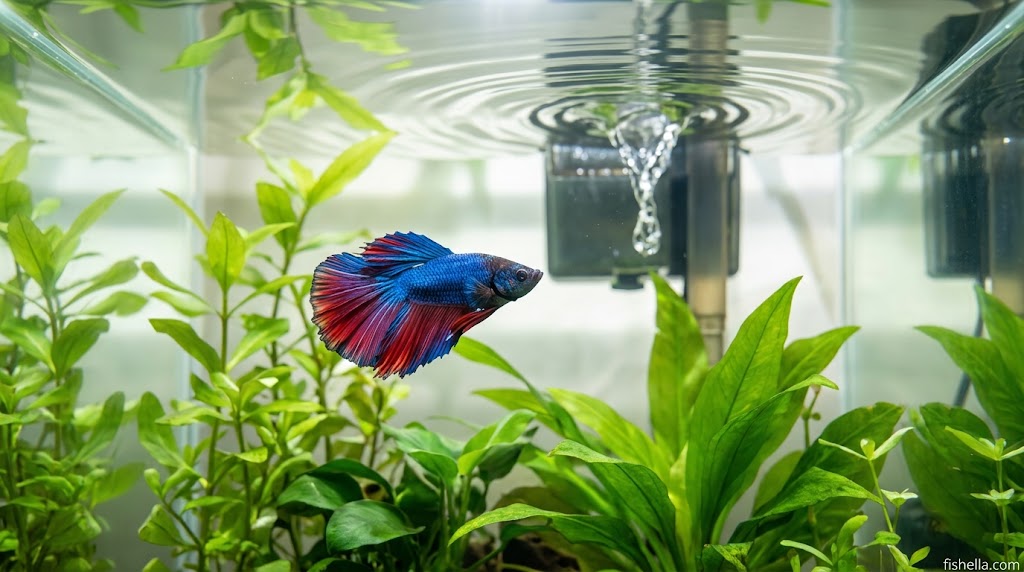
Bettas come from slow, shallow waters such as rice paddies and still ponds. Their long, heavy fins act like sails in a current. They also tire quickly. Constant flow forces a betta to swim hard just to stay in one place, which causes stress, hiding, and fin damage over time.
Stress weakens the immune system, so a betta in a strong current can get sick more easily. If you are still choosing a setup, see our guides to the best betta fish tank and best tank size for betta fish.
Signs Your Filter Flow Is Too Strong
- Your betta stays in the same corner or hides behind decor all day.
- Fins are clamped or look torn, and tails are curled.
- Your betta struggles when it leaves a sheltered spot.
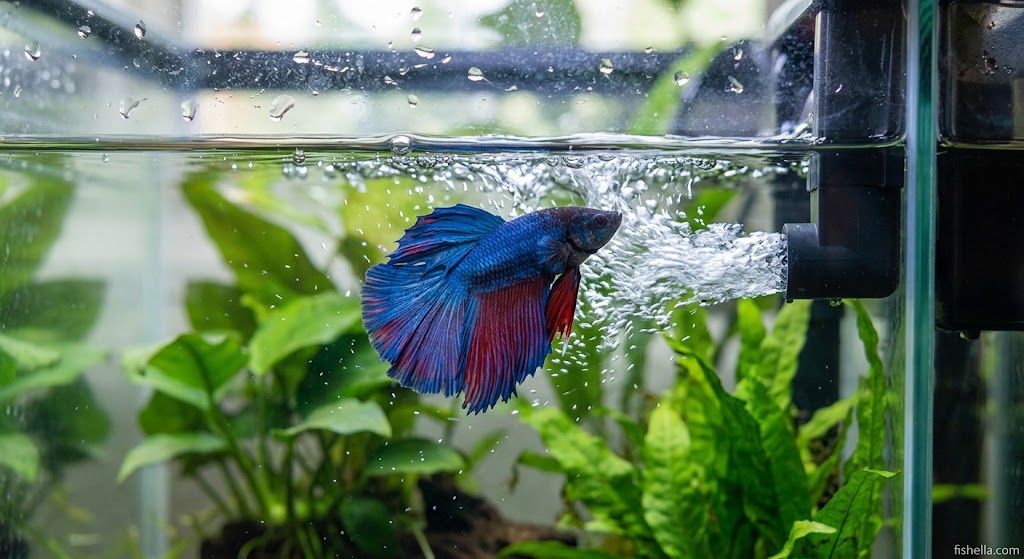
- It gets pushed around the tank or sticks to the glass or filter intake.
- Plants and light decor move constantly.
- Your betta rarely visits the surface to breathe.
If you notice more than one, reduce flow right away. One quick test: place a small piece of floating food in the tank. If it zooms across the surface, the flow is too fast.
Important: Do not turn the filter off. Beneficial bacteria live in the filter media and need constant water flow. Switching it off for more than 30 to 60 minutes can starve them of oxygen and cause an ammonia spike. Slow the flow, do not stop it.
Choosing the right filter is essential for maintaining clean, healthy water, so read our guide on how to choose an aquarium filter to find the best option for your tank size and fish.
9 Ways to Slow Down Aquarium Filter Flow
Fix 1: Use the Flow Control Dial
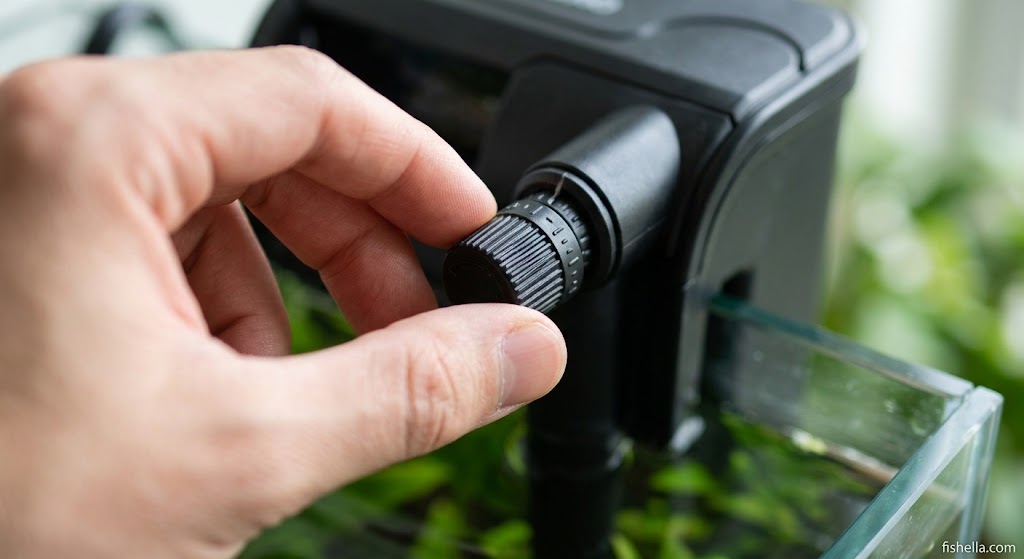
Many hang-on-back and canister filters have a built-in flow rate dial or slider. Turn it down in small steps over a few days and watch your fish. This is the simplest fix and costs nothing.
Fix 2: Redirect the Outlet
Aim the output toward the back wall or a corner of the glass instead of across the open tank. The water hits the glass and loses force. Placing a large-leaf plant, like an anubias or a floating plant, in front of the outlet also breaks up the current.
Fix 3: Cover the Outlet With Aquarium Foam

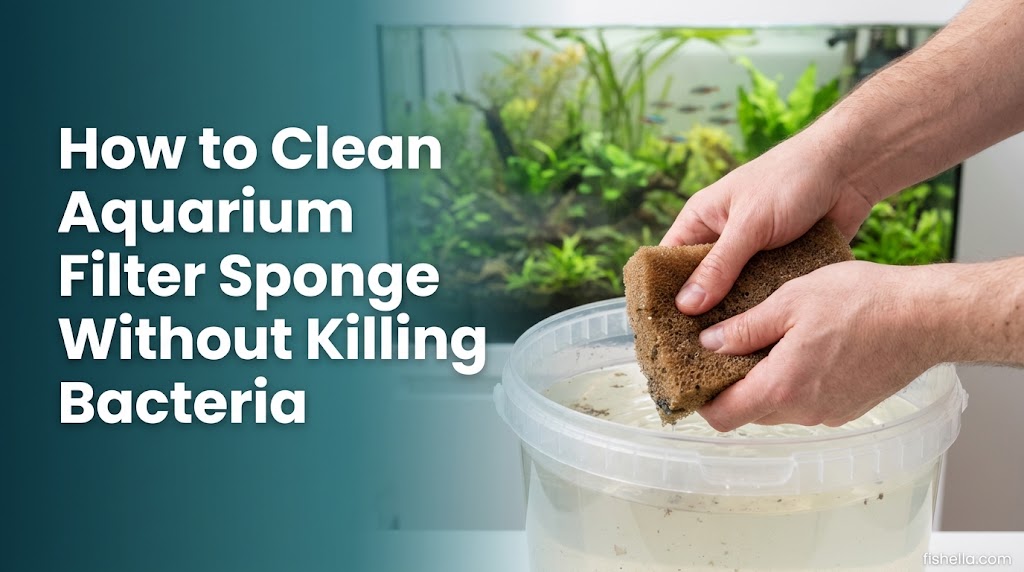
Cut a piece of coarse aquarium foam or filter sponge. Place it over the outlet so water has to pass through it. This spreads the stream into many gentle streams. Use foam made for aquariums only, and rinse it in old tank water during maintenance. This also works as a “pre-filter sponge” on intake tubes to protect small fish and shrimp.
Fix 4: Lower the Water Level (Hang-On-Back Filters)
On a hang-on-back filter, lowering the water by about a half inch creates a small waterfall. That sounds like more flow, but it can reduce the push in the tank when combined with a baffle. Use this carefully because it can increase noise and splashing.
Fix 5: Build a DIY Baffle
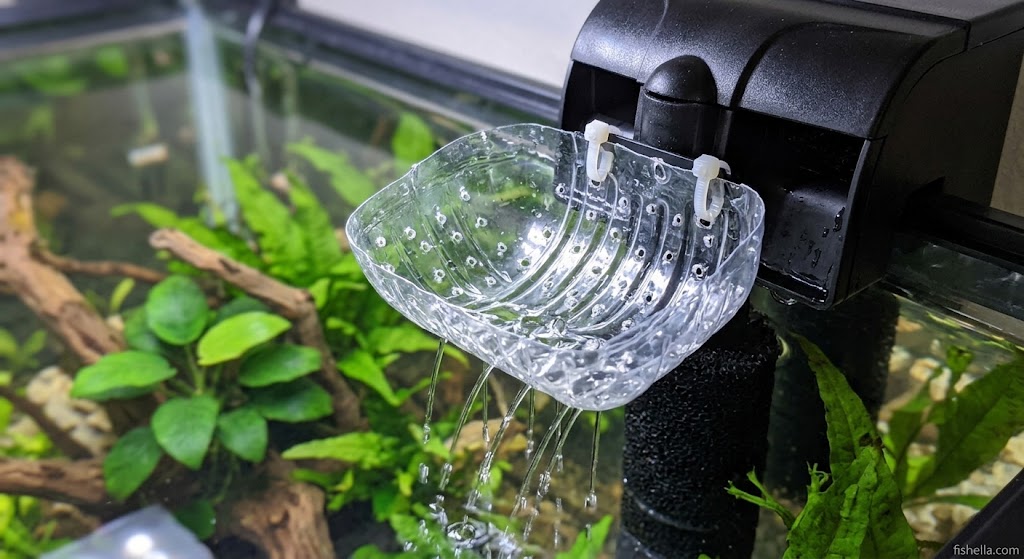
A baffle is a barrier that scatters the current. Easy options:
- Plastic bottle baffle: Cut a ring from a clean plastic bottle, poke small holes, and attach it around the outlet.
- Sponge baffle: Wrap a thin foam strip around the outflow spout.
- Prefilter sleeve: Buy a ready-made sponge sleeve for the outlet.
Make sure edges are smooth so fins cannot snag.
Fix 6: Use a Spray Bar or Rain Bar
A spray bar spreads one strong jet into many small streams across the tank. Many canister filters include one. Point the holes toward the back glass for a softer flow. A rain bar drops water gently from above.
Fix 7: Add Plants and Decor as Wave Breakers
Plants with wide leaves, driftwood, and smooth caves create calm zones where your betta can rest. Always choose smooth, betta-safe items. Our guide to safe decorations for a betta fish tank explains what to pick and what to avoid.
Fix 8: Switch to a Sponge Filter
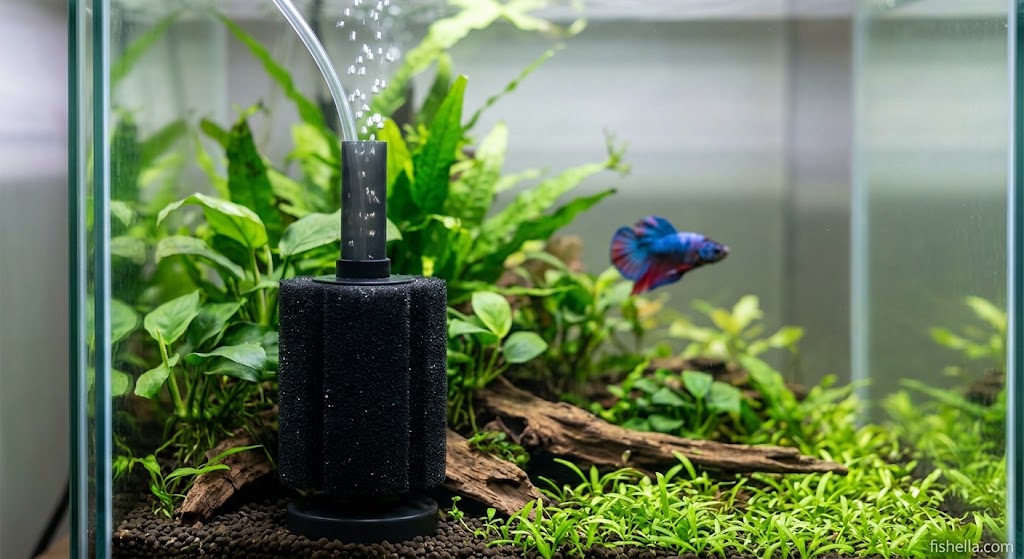
A sponge filter is powered by an air pump. It gives gentle biological and mechanical filtration and is one of the safest options for bettas. You can control bubble output with an air valve.
AQUANEAT Aquarium Bio Sponge Filter Breeding Fry Betta Shrimp Nano Fish Tank
Sponge filter setup in 5 steps:
- Choose a sponge filter rated for your tank size (a bit larger is fine).
- Attach the lift tube and the weighted base.
- Connect air tubing and add a check valve so water cannot back-siphon during a power cut.
- Place the sponge in a back corner and plug in the air pump.
- Turn down the air valve until you see a slow stream of bubbles.
Sponge filters are cheap, quiet when the pump is good, and nearly impossible to mess up. They do not remove very fine debris, so keep up with weekly water changes.
Fix 9: Replace the Pump With an Adjustable Model
If nothing else works, a better filter may be the answer. Look for models with a clear flow adjuster and a small footprint. See our Tetra Whisper 10 gallon filter review for how one popular filter performs in a betta tank.
For more practical tips, check out Aquarium Co-Op’s guide to slowing aquarium flow to learn additional ways to reduce strong currents and create a more comfortable environment for your fish.
Which Fix Should You Choose?
| Situation | Best fix |
|---|---|
| Filter has a dial | Fix 1, then Fix 2 |
| Strong HOB outlet | Fix 3 or Fix 5 |
| Canister filter | Fix 6 |
| Very sensitive betta or long fins | Fix 8 |
| Small tank under 5 gallons | Upgrade the tank, then use Fix 8 |
How to Test That the Flow Is Now Safe
- Watch your betta for 24 hours. It should swim freely and use all areas of the tank.
- Check the surface: a light shimmer is fine, a strong ripple is not.
- Drop in a pinch of food or a small leaf. It should drift slowly.
- Re-check ammonia and nitrite after any change to your filter. Use a liquid test kit. See API Master Test Kit vs test strips.
Common Mistakes to Avoid
- Turning the filter off for long periods. This harms the bacteria.
- Blocking the intake completely. Water must still pass through the media.
- Using household sponges or soaps. They can contain chemicals that harm fish.
- Using sharp or rough materials. Betta fins tear easily.
- Changing everything at once. Adjust gradually and observe.

If you’re comparing filtration options for your aquarium, read our guide to the best hang-on-back aquarium filters to find a suitable filter for your tank size, budget, and maintenance needs.
Frequently Asked Questions
How much flow does a betta need?
Very little. Aim for gentle water movement that keeps the water clean without moving the betta or decor. A tank turnover of about 3 to 4 times per hour is often cited as a gentle target, but watch your fish rather than relying on a number.
Can I use a regular filter in a betta tank?
Yes, if you can control the flow. Use the dial, a sponge cover, or a baffle to tame the current.
Is a sponge filter good for bettas?
Yes. It is one of the best options because it gives gentle filtration and does not suck in fins.
Will slowing the flow hurt my filter?
A little reduction is fine. Just make sure water still moves through the media and rinse it in old tank water so the bacteria survive.
Do bettas need a filter at all?
A filter is strongly recommended. It keeps ammonia and nitrite in check and lets you keep the tank stable. Read our betta fish care guide for the full picture.
Final Thoughts
A healthy betta tank has clean water and calm water. Start with the simplest fixes, such as the dial, redirecting the outlet, and a foam cover. If your betta is still fighting the current, move to a sponge filter. Within a day or two you should see a more relaxed, active fish.