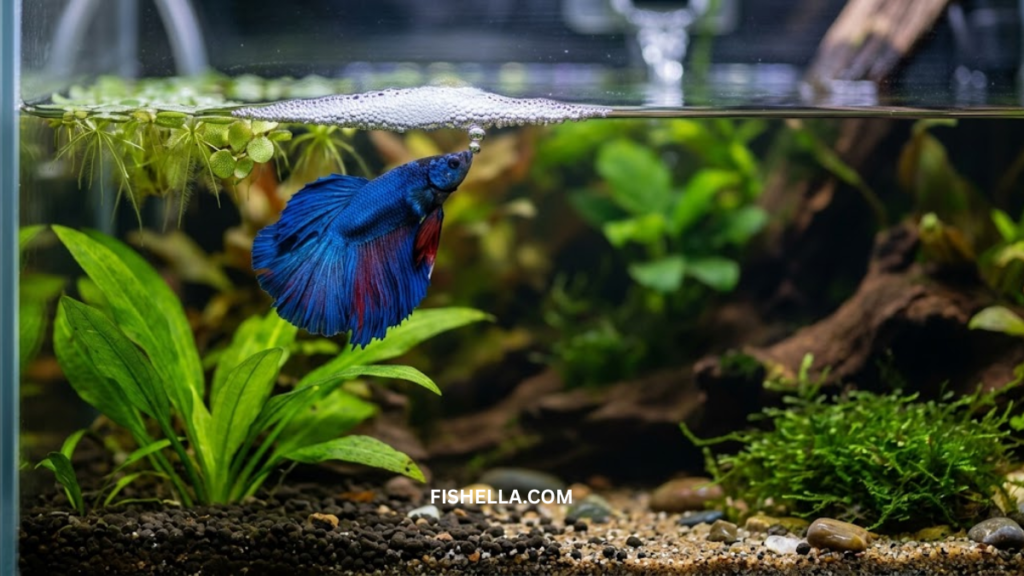
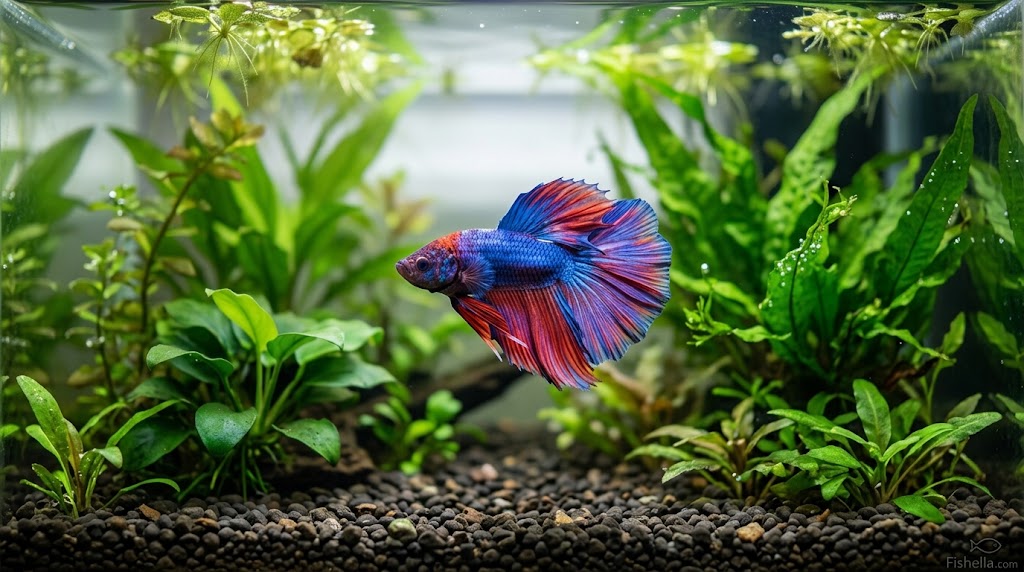
Why is my betta fish changing color? Most often, the cause is natural aging, genetics, or stress. Slow changes are usually normal. Sudden changes, or changes with other symptoms, can point to a water or health problem.
This guide helps you tell the difference. You will learn the most common causes and what to check first. You will also learn when to ask an aquatic vet for help.
Quick answer: A betta fish changes color because of aging, marble genes, stress, poor water quality, the wrong temperature, diet, lighting, or illness. Slow changes over weeks or months are often normal. Sudden changes, especially with low energy, poor appetite, or damaged fins, call for a water test right away.
Is It Normal for Betta Fish to Change Color?
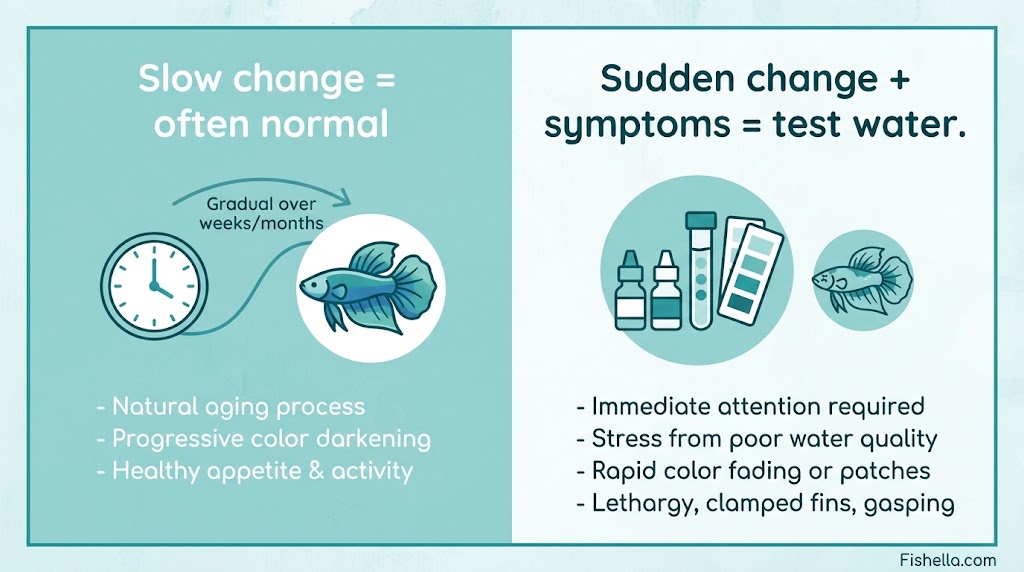
Yes, it can be. Many bettas change color as they grow up. Some also change color slowly throughout their lives.
The pace matters most. A gradual shift over weeks or months is often harmless. A sudden change, or one with new symptoms, deserves a closer look.
7 Reasons Your Betta Fish Is Changing Color
1. Natural Aging and Genetics
Young bettas often look different from adults. Their colors can deepen, fade, or shift as they mature. Older bettas may also look a little duller.
So, do betta fish change color as they age? Yes, many do. If your betta eats well and swims normally, aging is a likely cause.
2. The Marble Betta Gene
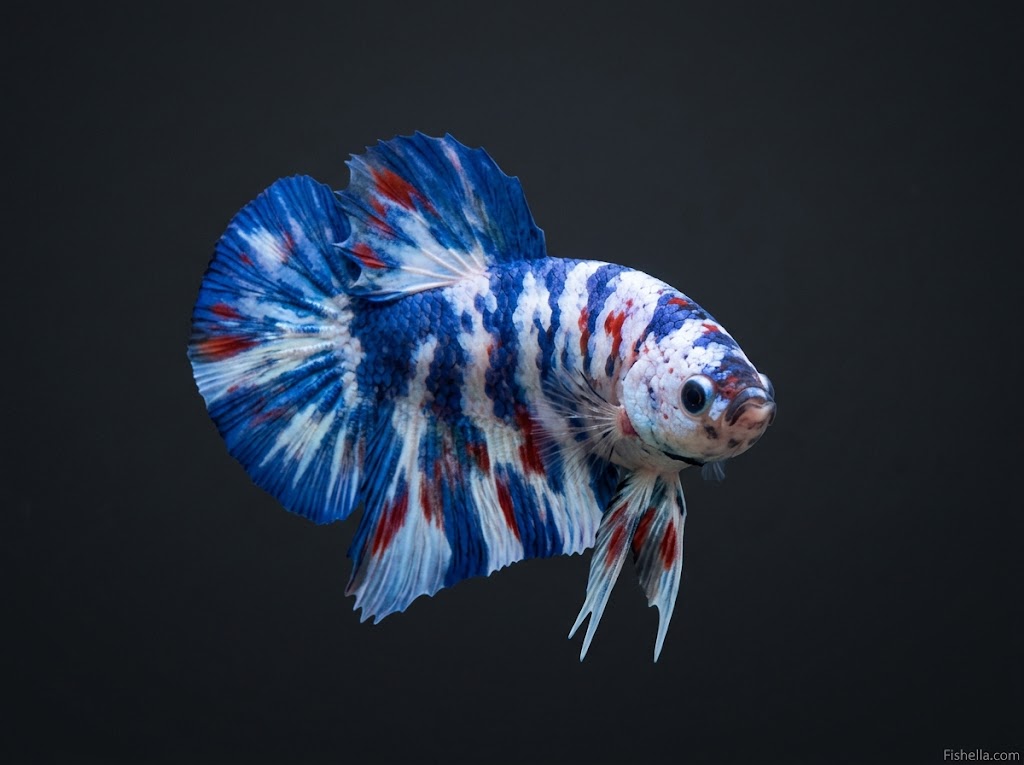
Marble bettas have patchy, mixed patterns. Their color can change many times in one lifetime. The gene is often described as a “jumping gene,” which helps explain the surprises.
A marble betta may gain or lose patches of blue, red, white, or black. This is often normal. If your fish is not a marble, look at the other causes below.
3. Stress From Poor Water Conditions
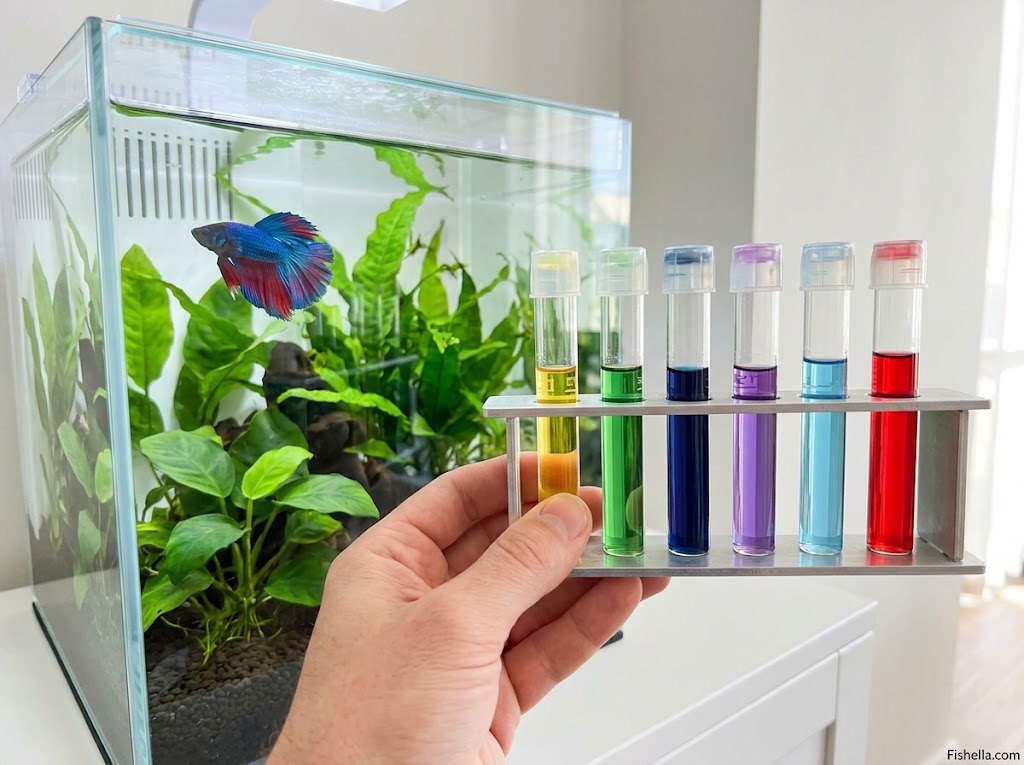
Water quality is a top cause of betta stress. Ammonia and nitrite should both read 0 ppm. Nitrate should stay low. For general guidance on water quality in aquariums, see the Merck Veterinary Manual’s aquarium fish resources.
Stressed bettas may look pale or washed out. Some show faint stripes on the body. Poor water can also irritate the skin and fins. So, can stress cause a betta fish to change color? Yes. Test your water first.
Not sure how to keep ammonia and nitrite at zero? Our guide to betta fish water quality walks you through it step by step.
4. Incorrect Water Temperature
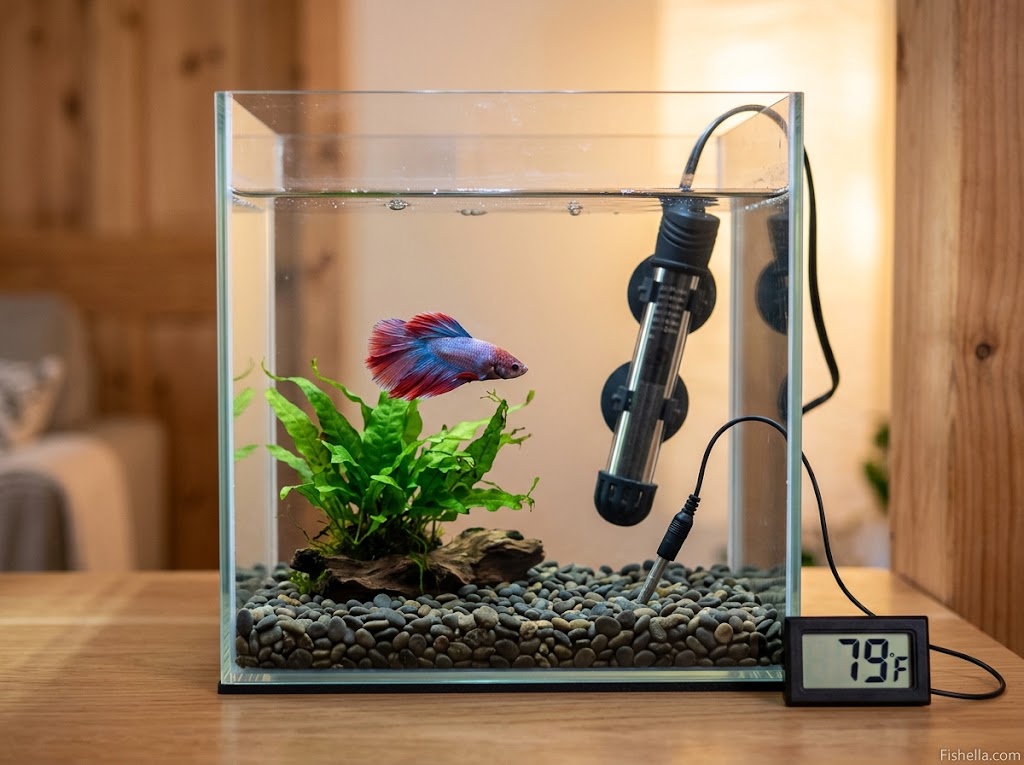
Bettas are tropical fish. They do best in steady water around 78–80°F. Cold or swinging temperatures can stress them and dull their color. Use a heater and a thermometer. For more help, see our guide on betta fish water temperature. Your state’s university extension service offers helpful freshwater aquarium care information.
Bettas do best in steady water, so read our full guide on betta fish water temperature to set up your heater the right way.
5. Poor Nutrition
A weak diet can lead to dull color over time. Bettas need a high-quality, protein-rich food made for them. Variety can help, such as quality pellets with occasional frozen or freeze-dried treats.
Feed small portions. Overfeeding can foul the water, which brings us back to stress.
6. Illness or Skin Problems
Sometimes a color change is one sign of illness. Pale patches, fuzzy growths, sores, or damaged fins may point to a problem. Color alone cannot tell you the cause.
Look at the whole fish. Check energy, appetite, breathing, and fins. Then test your water.
7. Changes in Lighting and Surroundings
Bettas can look different under different lights. Their scales reflect light, so blue and red can seem to shift. A new tank, new decor, or a new light may also stress your fish for a short time.
If the change appears only under certain lighting, this may be the reason.
Why Is My Betta Fish Turning White?
A betta turning white has several possible causes. Normal changes include aging, marble genes, and fading after a move. Fish sold in small cups at stores often look pale, and their color may improve in a better home.
Be more careful if you see something different. Look for these signs:
- Cotton-like or fuzzy growths
- Small white dots
- Raised or rough patches
- Torn or ragged fins
These signs can point to a health issue. They do not confirm one. If you see them, test your water and talk with an aquatic vet.
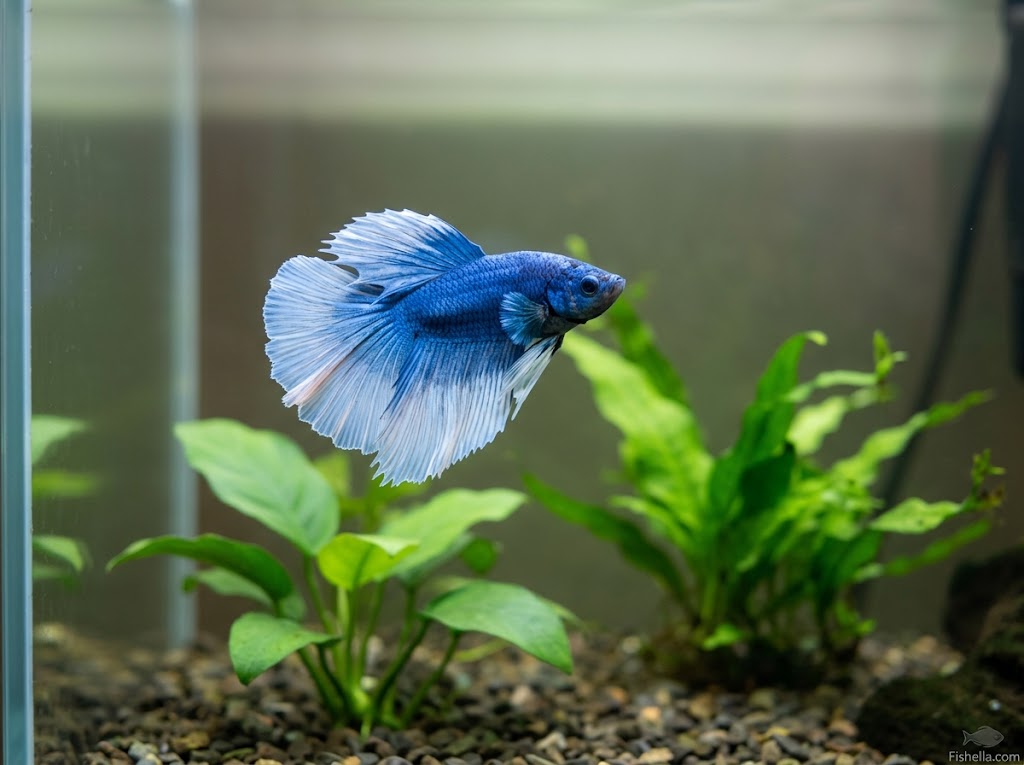
If your blue betta fish is turning white, check whether the change is slow and even. Slow fading with normal behavior may be natural. A sudden change needs a water test.
Why Is My Betta Fish Turning Black?
Black or dark patches can also be normal. Some bettas darken as they age. Marble bettas may add dark spots at any time.
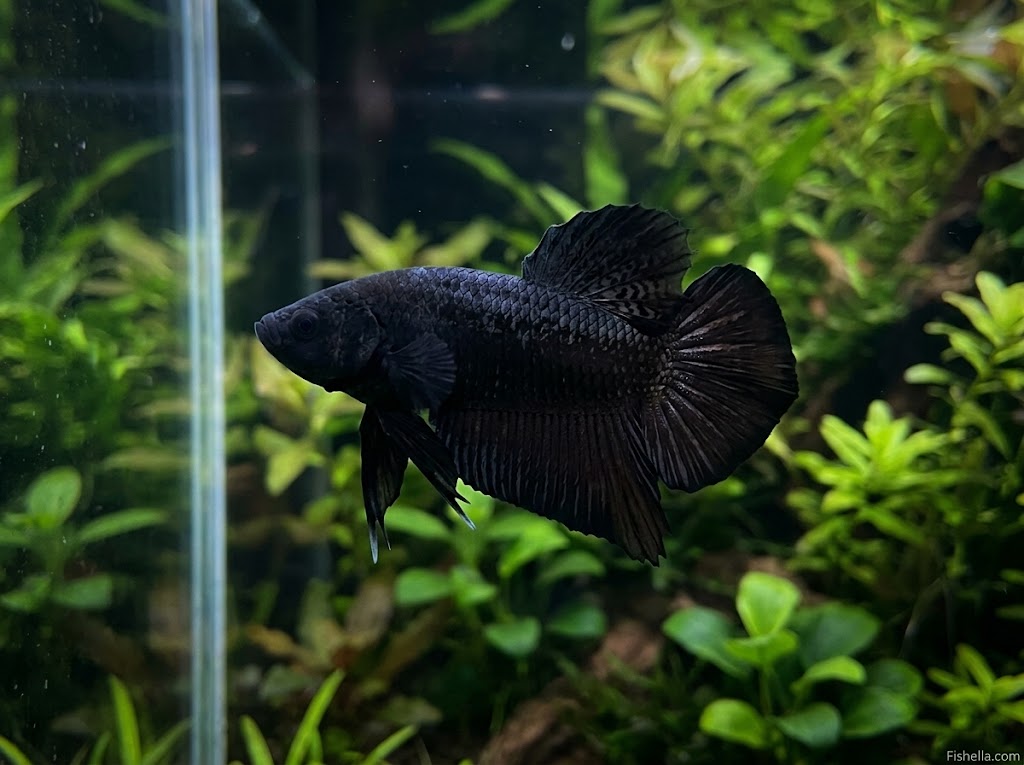
Stress can also change how dark a betta looks. Dark patches may show up after skin irritation, too. Some may be part of healing, but you cannot tell from color alone.
Watch the patches over a few days. If they spread, or your fish seems unwell, ask an aquatic vet for advice.
Why Is My Betta Fish Turning Pale, Blue, or Red?
A pale betta is often stressed, tired, or sleeping. Check the water and temperature first.
A betta changing color to blue or red may simply be reflecting light. Marble genes can also add these colors. Red streaks or red areas on the body are different. Treat them as a reason to check water quality and watch your fish closely.
What Should You Do if Your Betta Fish Changes Color Suddenly?
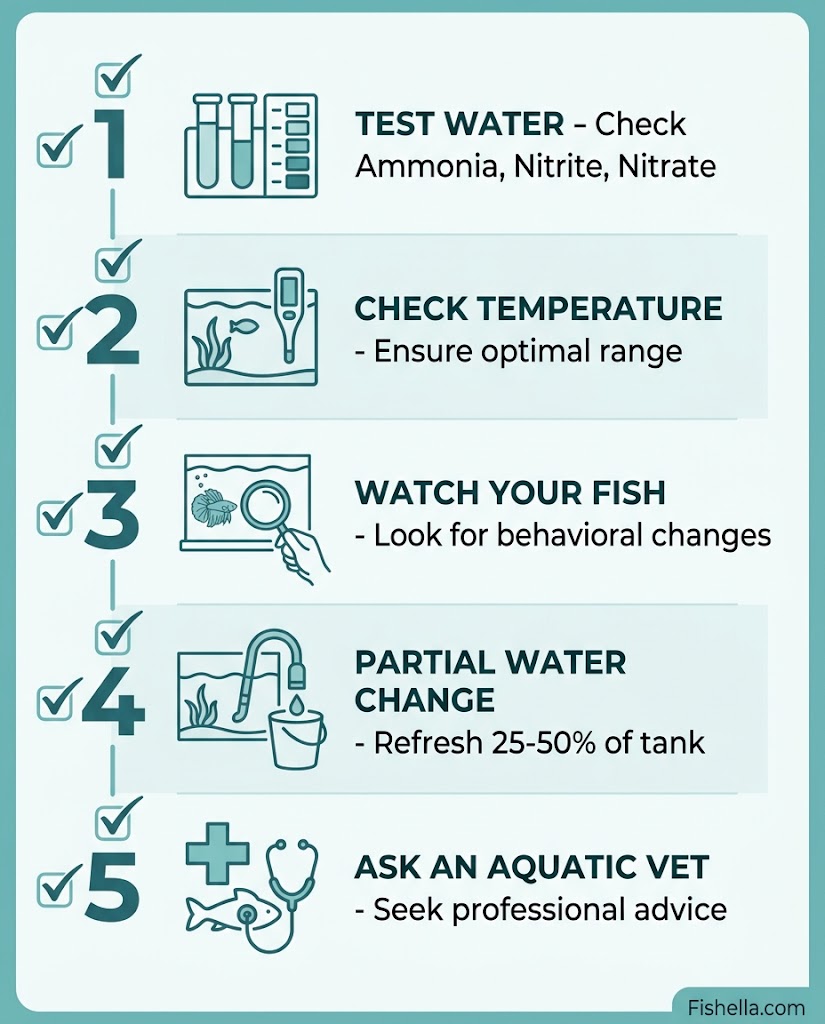
Stay calm and work through these steps:
- Test your water. Check ammonia, nitrite, nitrate, and pH with a liquid test kit.
- Check the temperature. Keep it steady, around 78–80°F.
- Watch your fish. Look at appetite, swimming, breathing, and fins.
- Do a partial water change if needed. If the water is poor, change part of it with treated, temperature-matched water. Avoid big, sudden changes.
- Ask for help. If symptoms last or get worse, contact an aquatic veterinarian.
Avoid adding medications on a guess. The wrong treatment can stress your fish more. A vet can help you choose a safe plan. If you’re new to testing, learn how to cycle your betta tank so harmful ammonia and nitrite stay under control.
When Is Betta Fish Color Change a Warning Sign?
A color change becomes a warning sign when it comes with other problems. Call an aquatic vet if you see:
- Sores or open wounds
- Unusual patches that spread
- Low energy or hiding all the time
- Loss of appetite
- Fast breathing or gasping
- Torn or clamped fins
The sooner you act, the better your fish’s chances.
Frequently Asked Questions
Why is my betta fish changing color but acting normal?
This is often natural. Aging, marble genes, and lighting can all change color without harming your fish. Keep testing your water and watch for new symptoms.
Can a betta fish change color overnight?
Sometimes it looks that way. Stress, poor water, or lighting can cause fast changes. Marble bettas can also shift quickly. Test your water and check for other signs.
Do betta fish change color when stressed?
Yes. Stress can make a betta look pale, dark, or washed out. Fix the cause, such as water quality or temperature, and watch for improvement.
Why is my blue betta fish turning white?
It may be aging, marble genes, or stress. It could also be a skin problem. Check for fuzzy growths, spots, or sores, and test your water.
Will my betta fish get its original color back?
Sometimes. Color lost to stress often returns once conditions improve. Changes from aging or marble genes may not reverse. Be patient and keep conditions steady.
Conclusion
So, why is my betta fish changing color? Most often, it is aging, genetics, or stress. Slow changes in a healthy, active fish are usually fine. Sudden changes with symptoms are not.
Your next step is simple. Test your water today, check your temperature, and watch your betta’s behavior. If problems continue, contact an aquatic vet. For more help keeping your fish healthy and colorful, explore our full betta fish care guide.