
You walk up to your aquarium and one of your fish is hiding in a corner, fins clamped, covered in white specks. Your stomach drops. What now?
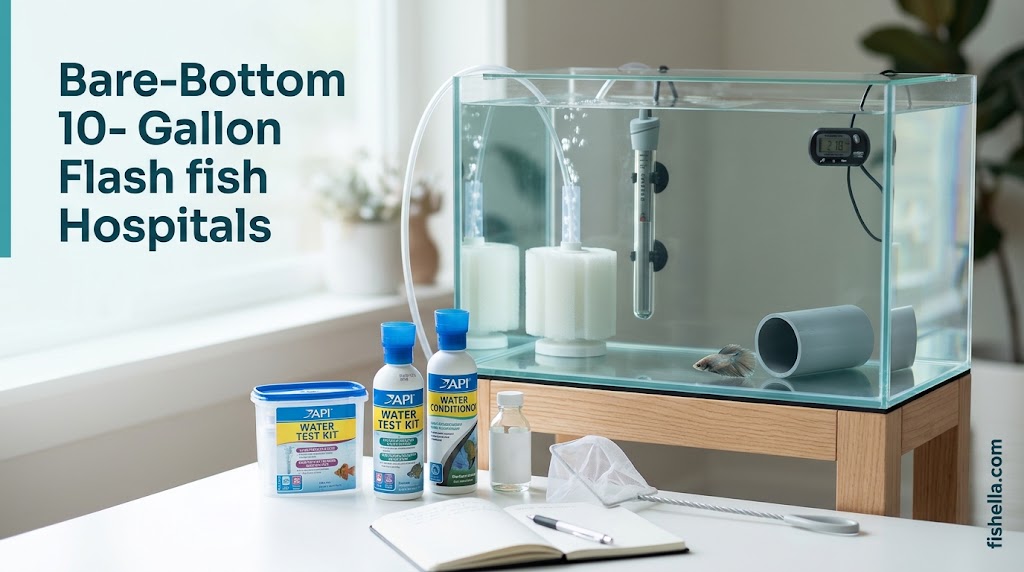
The fastest, safest move is to learn how to set up a hospital tank for sick fish before you reach for any medication. A fish hospital tank is a small, separate aquarium where you can treat a sick fish without harming the rest of your community or your beneficial bacteria. This guide walks you through the gear, the setup, the medication basics, and the mistakes to avoid, so you can act calmly even in an aquarium emergency.
What Is a Hospital Tank, and Why Do You Need One?
A hospital tank is a bare-bones temporary aquarium used to isolate and treat sick fish. Think of it as an urgent care room for your pet.
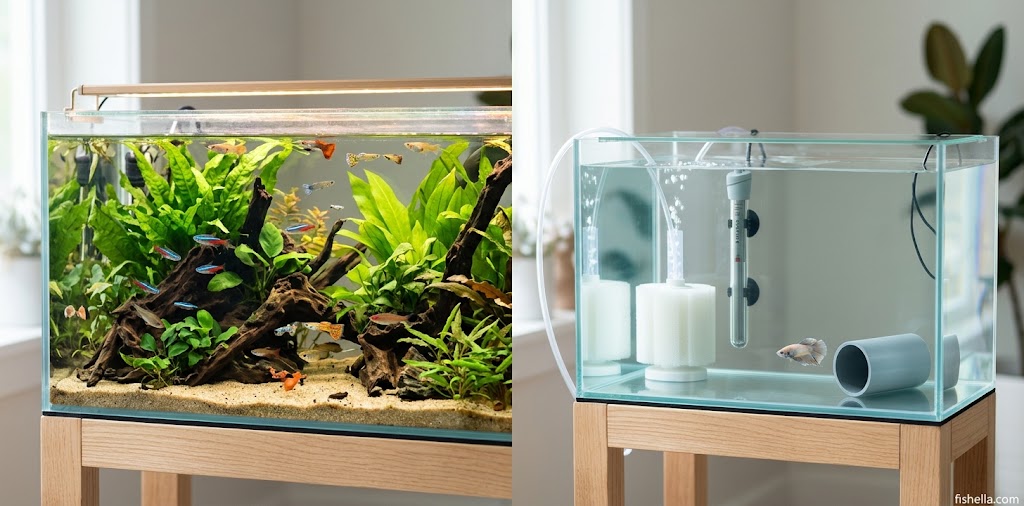
Here is why it matters. Most fish medication is tough on the good bacteria in your main filter. Some medicines also harm live plants, snails, and shrimp. When you medicate fish in a separate tank, you protect your display aquarium and you can use the exact dose the sick fish needs. You also get a clear view of the patient, which makes it easier to track symptoms and spot improvement.
A hospital tank also keeps healthy fish from catching what the sick one has. That is a big deal with contagious problems like ich, fin rot, and some parasites.
Quick answer: A hospital tank for sick fish is a small, filtered, heated, bare aquarium (5 to 20 gallons) with hiding spots, kept separate from your main tank so you can treat illness safely. Always follow proper quarantine procedures for new fish to help prevent diseases from spreading to your aquarium.
What You Need for a Fish Hospital Tank Setup
The good news is that you do not need fancy equipment. Most of this can live in a closet until you need it.
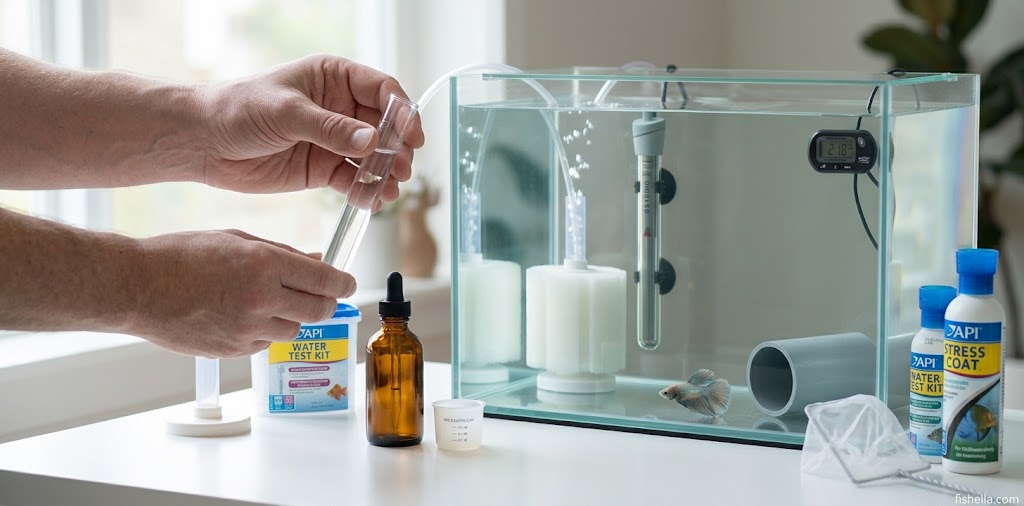
The Essential Gear List
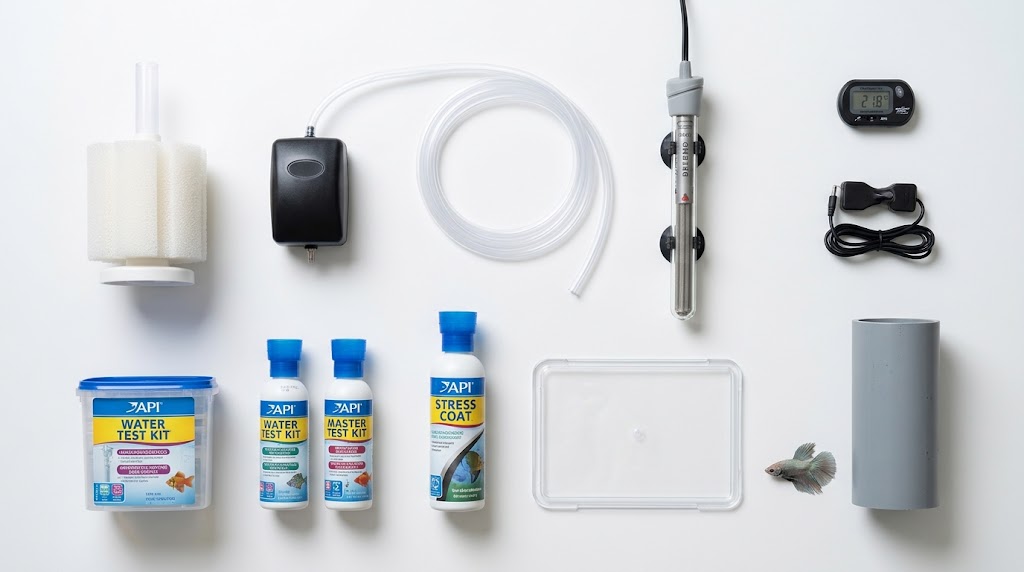
- A tank or tub: A 5 to 10 gallon aquarium works for most small fish. Go with 20 gallons for larger species like goldfish or cichlids. A clean plastic storage tub (never used with chemicals) works in a pinch.
- A sponge filter: This is the best filter for a hospital tank. It is gentle, cheap, and adds oxygen. It will not strip medication out of the water the way carbon cartridges can.
- An air pump and airline tubing: To run the sponge filter.
- A heater: An adjustable heater keeps the water steady. Many illnesses clear up faster in stable, slightly warmer water. Learn how to place an aquarium heater correctly to promote even heat distribution and maintain a stable water temperature.
- A thermometer: Never guess the temperature. Use a digital aquarium thermometer to monitor your tank’s water temperature and help keep your fish comfortable.
- Hiding spots: PVC pipe pieces, a plain ceramic cup, or a plastic plant. Skip decorations that can absorb medicine.
- A lid: Sick fish can jump when stressed.
- A water test kit: Check ammonia, nitrite, and nitrate every day.
- Dechlorinator: Always treat tap water.
Optional but Helpful Items
Aquarium salt, a small net that is used only for the hospital tank, a notebook for logging symptoms, and a spare bucket for water changes are all worth having. Keep everything in one labeled box so you are not scrambling during a crisis.
1. Keep your betta comfortable with the best heater for a 5-gallon betta tank to maintain a stable water temperature.
2. Choose the best filter for a 5-gallon betta tank to keep the water clean while providing gentle flow for your betta.
How to Set Up a Hospital Tank for Sick Fish: Step by Step
Here is the simple process. You can finish it in about 30 minutes.
Step 1: Pick a Spot and Keep It Bare
Place the tank somewhere quiet, away from direct sun and heavy foot traffic. Leave the bottom bare. Gravel traps waste and soaks up medication, and a bare bottom makes it easy to see droppings and clean up.
Step 2: Fill It With Matching Water
The water needs to be close to your main tank in temperature and pH. The easiest trick is to use water straight from the main aquarium. If you cannot, use dechlorinated tap water and match the temperature closely. Sudden changes add stress to a fish that is already struggling.
Step 3: Cycle the Hospital Tank With a Seeded Sponge Filter
This is the step many beginners skip. A brand-new tank has no beneficial bacteria, so ammonia can spike quickly. The fix is simple: keep a spare sponge filter running inside your main tank at all times. When trouble hits, move that seasoned sponge filter into the hospital tank. It carries the bacteria with it, giving you an instantly cycled setup.
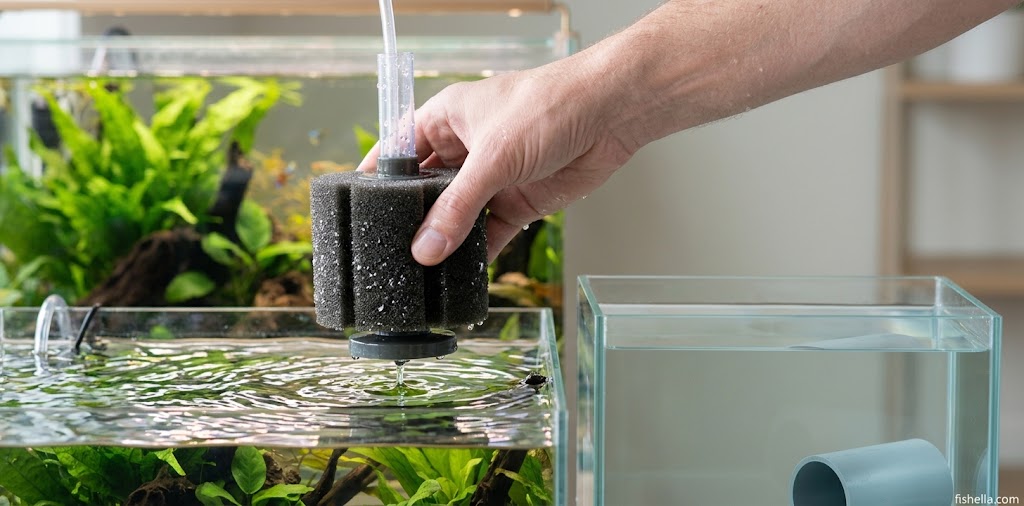
No spare filter? Squeeze out an old filter pad from your main tank into the new water. It is not perfect, but it helps. Then test the water daily and do partial water changes as needed. If your pet struggles with strong water currents, learn how to slow down aquarium filter flow to create a gentler swimming environment.
Step 4: Set the Temperature
Aim for the same temperature as the main tank, then adjust only if your treatment calls for it. Many tropical fish do well around 78 to 80°F. Always follow the guidance on your specific medication and for your species.
Step 5: Add Hiding Spots and Move the Fish Gently
Place a PVC pipe or cup in the tank. Scoop the sick fish with a net or, even better, a clean container, so you do not stress or injure it further. Float the container for a few minutes, then release the fish.
How to Treat Sick Fish in a Hospital Tank
Setting up the tank is half the job. The other half is treating the problem correctly.
Identify the Problem First
Look closely before you medicate. Common signs include:
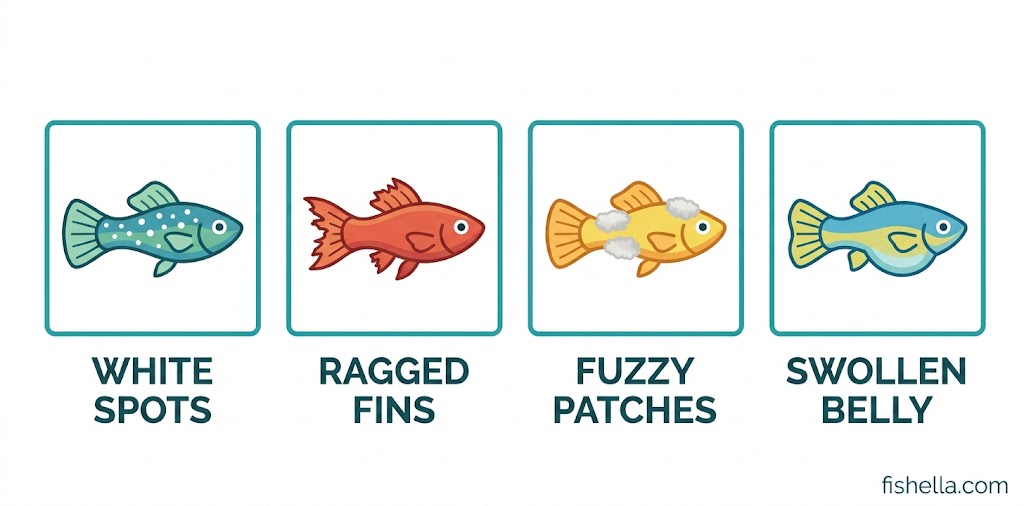
- White spots: Often ich (a parasite).
Learn how to identify symptoms and treat Betta Fish Ich: How to Identify and Treat White Spot to help your betta recover and prevent the infection from spreading. - Ragged or melting fins: Possible fin rot (bacterial).
- Fuzzy white patches: Typically a fungal infection.
- Swollen belly with raised scales: Could be dropsy, which is serious.
- Gasping at the surface: Check water quality and oxygen right away. If your betta keeps swimming near the surface, read our guide on why a betta fish stays at the top of the tank to understand possible causes and solutions.
A lot of fish disease starts with poor water quality, so test the water in your main tank too. If you are unsure about a diagnosis, ask an aquatic veterinarian or a trusted local fish store. Learn more about ich (white spot disease), including how this contagious infection affects fish and why prompt treatment matters. For more information about fish health, quarantine, and treatment, consult this aquarium fish health overview.
Choose the Right Fish Medication
Match the medicine to the illness. Bacterial infections need an antibacterial treatment, parasites need an anti-parasitic, and fungus needs an antifungal. Using the wrong product wastes time and can stress your fish more.
Two safety rules apply every time. First, read the label and use the exact dose listed. More is not better. Second, remove activated carbon from any filter during treatment, since carbon pulls medication out of the water.
Daily Care During Treatment
Test the water every day. Do small water changes, then redose according to the product label, since removing water also removes some medicine. Feed lightly with high-quality food and clean up any leftovers. Watch for changes in color, breathing, and appetite, and write them down.
Common Hospital Tank Mistakes to Avoid
Even experienced hobbyists slip up. Watch out for these:
- Skipping the cycle: Ammonia can harm a weak fish faster than the illness itself.
- Overmedicating: Doubling the dose can kill fish.
- Mixing medications: Some combinations are toxic. Only combine products if the label says it is safe.
- Sharing nets or buckets: Disease travels on equipment. Keep hospital tank gear separate, or disinfect it.
- Ending treatment too early: Finish the full course even if your fish looks better.
When Can Your Fish Go Back to the Main Tank?
Wait until the fish has finished the entire treatment, eaten normally, and shown no symptoms for at least a week. Many hobbyists wait longer to be safe. Then drip-acclimate the fish back to the main tank’s water. After you are finished, clean and disinfect the hospital tank and let it dry so it is ready for the next emergency.
Frequently Asked Questions
What size should a fish hospital tank be?
For most community fish, 5 to 10 gallons is plenty. Choose 20 gallons for large fish such as goldfish. Bigger tanks hold water quality steadier, but smaller ones make treatment easier and use less medicine.
Do I need a filter in a hospital tank?
Yes. A gentle sponge filter is the best choice because it provides aeration and biological filtration without pulling medication from the water.
Can I use my main tank water in the hospital tank?
Yes, and it is often the best option. It matches temperature and water chemistry, which lowers stress for the sick fish.
How long should a fish stay in the hospital tank?
It depends on the illness and the medication. Treatment often lasts 7 to 14 days, followed by about a week of observation. Always follow the product directions.
Can I quarantine new fish in the same tank?
Absolutely. Many hobbyists use one tank for both quarantine and treatment. It is a smart habit that prevents many problems before they begin.
Be Ready Before the Next Emergency
A calm response starts with preparation. Now that you know how to set up a hospital tank for sick fish, put together your emergency kit this week: a spare tank, a seasoned sponge filter, a heater, a test kit, and dechlorinator. When a fish gets sick, you will be glad you did.
Ready to build your kit? Browse sponge filters, heaters, test kits, and fish medication at fishella.com (Aquarium Setup & Maintenance ), and keep this guide bookmarked for your next aquarium emergency.
Note: This article is for general education. For serious or unclear symptoms, consult an aquatic veterinarian.
Pingback: Setting Up a Freshwater Aquarium: Easy Beginner’s Guide 2026
Pingback: How to Quarantine New Fish: Step-by-Step 4-Week Guide