
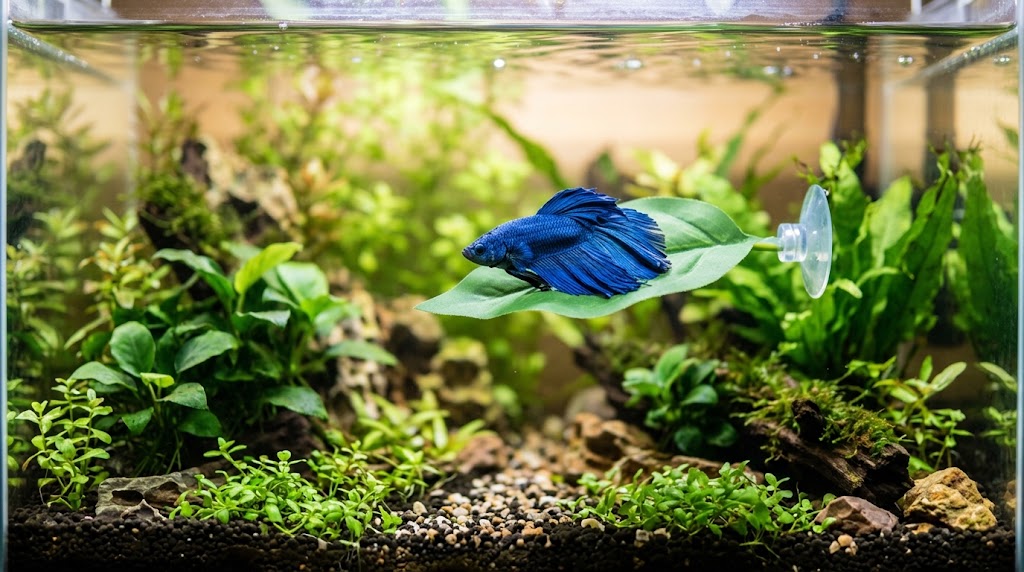
Seeing a betta fish laying on side can feel alarming, and it deserves a calm but quick response. Sometimes the fish is only resting. In other cases, the position points to a buoyancy problem, poor water, or illness. This guide explains how to tell the difference, what usually causes it, and what you can do today to help your fish recover.
Is It Normal for a Betta Fish to Lie on Its Side?
Bettas rest more than many new owners expect. They sleep at night, and they often settle on a broad leaf, a hammock, or the substrate. A healthy betta may tilt for a moment while it rests, then dart away when you approach or drop in food. The key is how long the position lasts and how the fish behaves afterward.
Bettas also breathe air from the surface using a special organ, which is why they belong to the group called labyrinth fish. A betta that cannot reach the surface, or one that breathes rapidly while it lies down, needs help sooner.
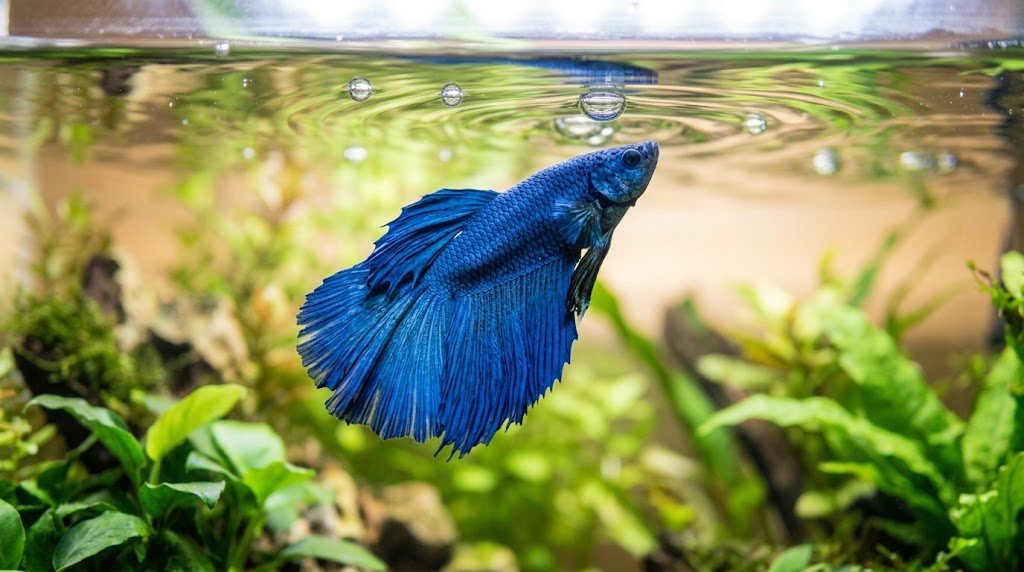
When you spot a betta fish laying on side, use this quick comparison before you act:
- Likely normal: the fish rests briefly, swims off when disturbed, keeps its normal color, and eats eagerly.
- Likely a problem: the fish stays down for hours, floats or sinks awkwardly, ignores food, breathes fast, looks pale, or holds its fins tight against its body.
Common Causes of a Betta Fish Lying on Its Side:
More than one cause can act at the same time, so check the easiest ones first. Water and temperature problems come up most often, and you can test both in minutes.
- Swim bladder trouble: The swim bladder helps fish control buoyancy. Constipation, overfeeding, and gulping air with food can disturb it, which makes the betta tilt, float, or sink.
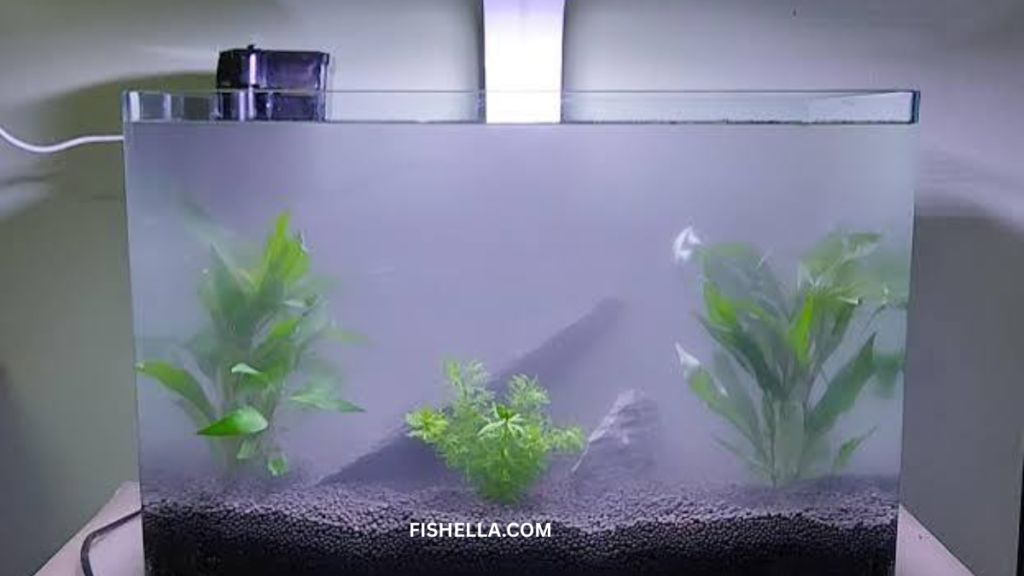
- Poor water quality: Ammonia and nitrite irritate the gills and weaken the fish. A tank that is not fully cycled, or one that has missed water changes, often causes this.
- Cold water: Bettas are tropical fish, and keepers commonly aim for 76–82°F (24–28°C). Cold water slows digestion and makes the fish sluggish.
- Stress: Strong filter flow, a tiny bowl, harassing tank mates, or sudden changes can exhaust a betta, especially one with long, heavy fins.
- Illness or injury: Bacterial infections, parasites, and internal problems can leave a betta too weak to hold its position.
- Old age: Bettas often live about three to five years in home aquariums, so an older fish may tire more easily.
What to Do Right Now?
- Work through these steps in order. Most mild cases improve once you correct the water, the temperature, and the feeding routine.
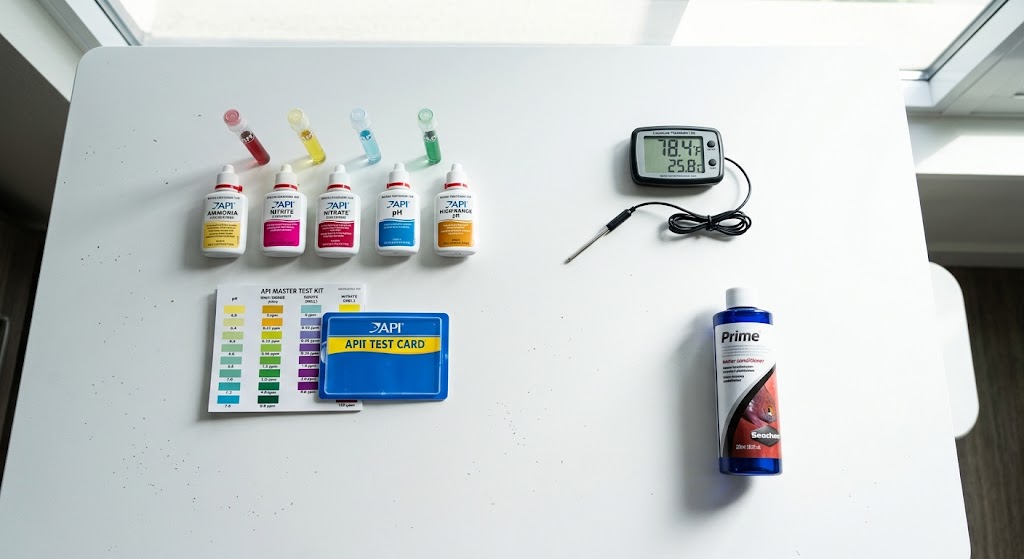
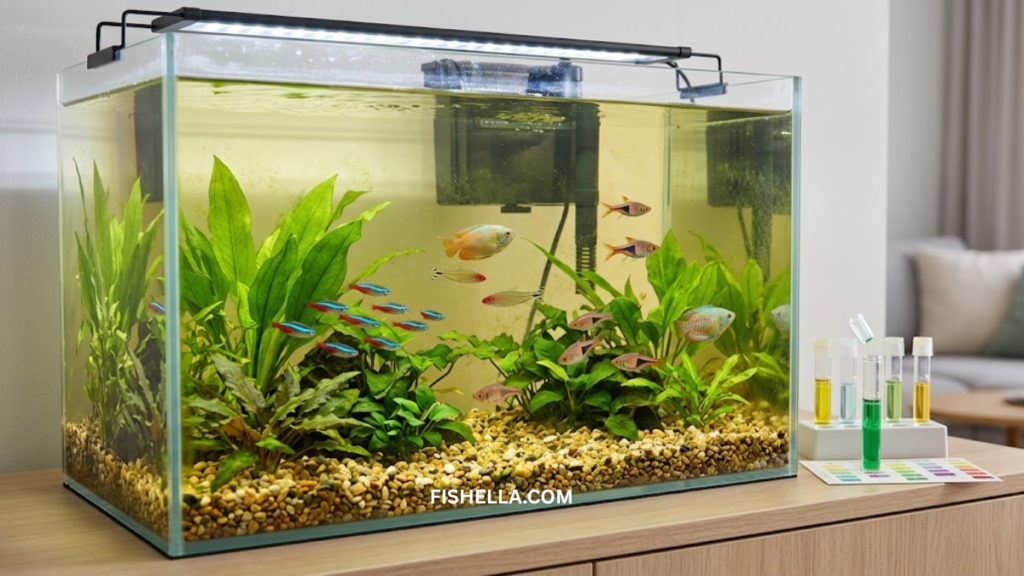
- Test the water. Ammonia and nitrite should read zero. Use a liquid test kit, and read our freshwater pH testing guide if you need help with the results.
- Check the temperature. Use a reliable thermometer. If the tank runs cold, raise the heat gradually over several hours instead of all at once.
- Do a partial water change. Replace about 25 to 50 percent of the water with treated water at the same temperature.
- Pause feeding for a day or two if you suspect overfeeding or constipation. Then offer a small portion of a high-quality pellet.
- Offer a tiny piece of blanched, shelled pea. Many keepers use it to ease constipation. Our betta overfeeding and bloating guide explains the signs in more detail.
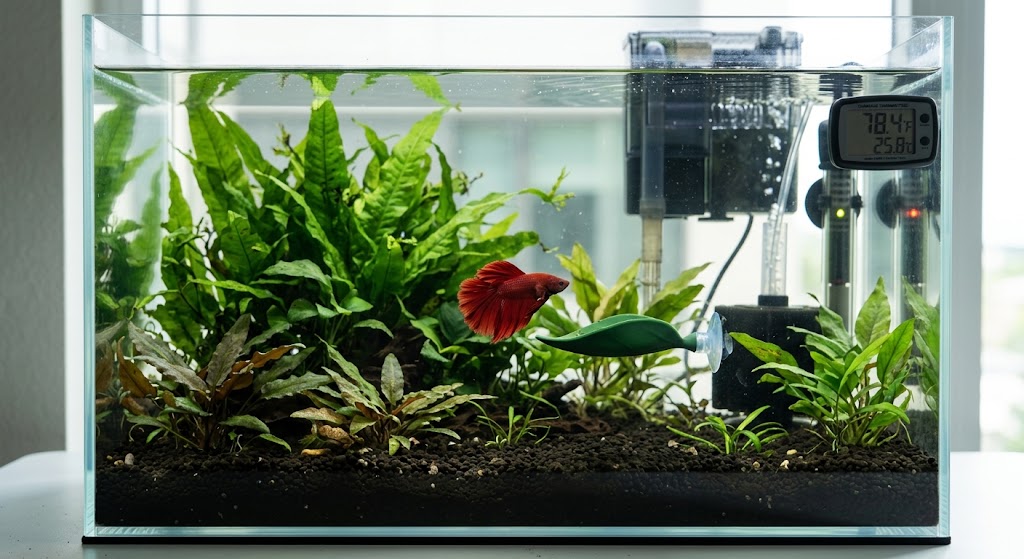
- Make resting easy. Lower the water level slightly and add a soft leaf hammock or floating plant near the surface so the fish can breathe without effort.
- Reduce stress. Dim the lights, keep the room quiet, and stop adding new decorations or tank mates for now.
When Medication or Expert Help Makes Sense:
Give the fish two to three days after you correct the basics. If a betta fish laying on side keeps getting worse, or if you see white fuzz, raised scales, ulcers, or bulging eyes, an illness probably plays a role. Guessing with random medicines often stresses the fish further, and some products harm snails and live plants. If you also see small white dots or your betta keeps rubbing on objects, read about betta fish white spot disease and talk to an aquatic vet.
An aquatic veterinarian or an experienced fish store can help you choose a treatment. You can also browse our fish diseases section to compare common symptoms.
- Fuzzy white patches or open sores on the body
- Scales that stick out like a pinecone
- A swollen belly that does not improve after fasting
- Red or inflamed gills
- No improvement after several days of better care
How to Prevent the Problem?
Good routines prevent most cases of a betta fish laying on side. A stable, warm, clean tank protects your betta far better than any treatment.
- Feed small portions of a quality betta pellet, and skip a day now and then. Our best betta fish food guide shows what to look for.
- Keep the tank warm with an adjustable heater and a thermometer.
- Change 20 to 30 percent of the water weekly, and test it regularly.
- Choose a gentle filter. Our guide on how to choose an aquarium filter explains flow and tank size.
- Give your betta space. A tank of 5 gallons or more stays stable far more easily than a bowl.
Frequently Asked Questions
Can a betta fish laying on side recover?
Yes, many do, especially when cold water, constipation, or poor water quality caused the problem and you fix it quickly. Recovery is less likely when the fish has a serious infection or is very old.
Why does my betta lie at the bottom but still eat?
A fish that still eats usually has a milder problem, such as cold water, stress, or early swim bladder trouble. Keep watching, correct the basics, and look for new symptoms.
How can I tell whether my betta is sleeping or dead?
Look for gill movement and a reaction when you gently turn on a light or shift the water. A sleeping betta wakes and moves, while a dead one stays still with no gill movement
Conclusion:
A betta fish laying on side is a warning, not a verdict. Check the water, warm the tank, rest the fish, and adjust feeding, and most mild cases improve within a few days. For broader guidance, read our complete betta fish care guide. For species background, see the FishBase Betta splendens profile.
Pingback: Betta Fish Water Temperature: Ideal Range and Tips