

You fill a bucket at the sink, and the water looks clear and clean. But if you pour it straight into your fish tank, you could hurt your fish. Learning how to dechlorinate tap water for aquarium use is one of the most important skills a beginner can pick up.
Most U.S. cities add chlorine or chloramine to tap water to kill germs. That keeps people safe, but those chemicals can irritate fish gills and harm the helpful bacteria in your tank. This guide shows you how to make tap water safe for fish, which methods work, and which ones don’t.
Why Do You Need to Dechlorinate Tap Water for an Aquarium?
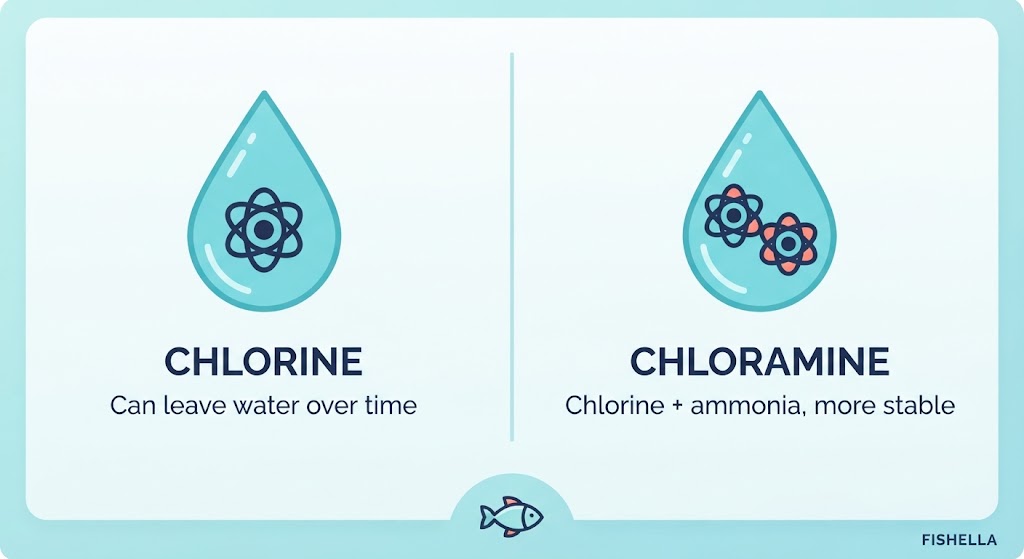
Water utilities add disinfectants to keep drinking water safe as it travels through miles of pipes. The two most common are chlorine and chloramine. Chloramine is a combination of chlorine and ammonia. It lasts longer in the pipes, so many utilities prefer it.
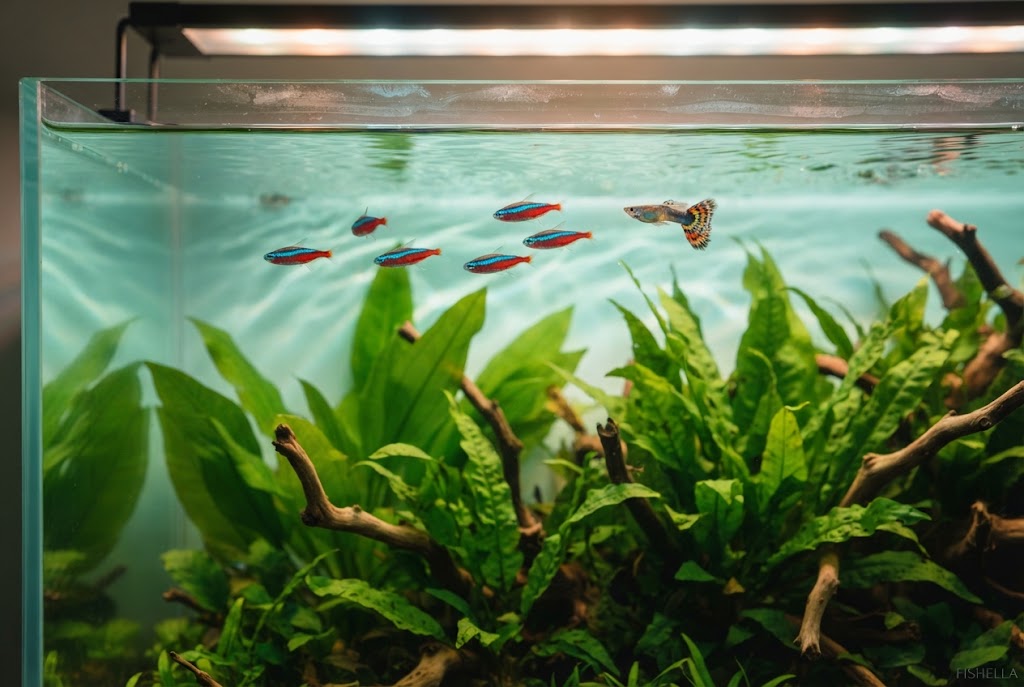
These chemicals are made to kill living things. Fish can’t tell the difference between “bad germs” and “your fish.” Chlorine in tap water for fish can damage the delicate gill tissue, which makes breathing hard. Fish may gasp at the surface, act sluggish, or clamp their fins. Heavy exposure can kill them. UF/IFAS Extension notes that chloramine is very toxic to fish and other aquatic life.
If your fish are already struggling, read our guide on why are my fish dying and our fish dying emergency checklist right away. If you see other symptoms besides gasping, our guide to common freshwater fish diseases can help you sort out what’s going on.
Your tank also holds beneficial bacteria. They live in your filter media and on surfaces, and they turn toxic fish waste into less harmful substances. This is the heart of the nitrogen cycle. Untreated tap water can harm these bacteria, which can lead to ammonia problems. If you’re new to this, our guide on how to cycle a fish tank explains the process.
How to Dechlorinate Tap Water for Aquarium
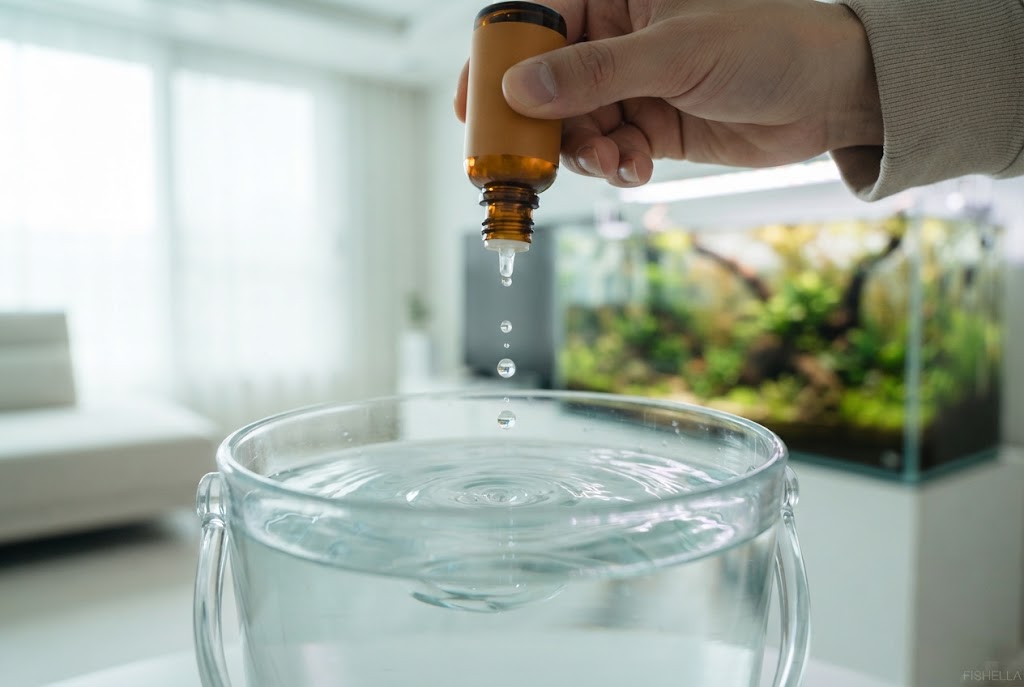
For most beginners, the safest and easiest method is a liquid aquarium water conditioner. Here is the process step by step.
1. Find out what is in your water. Your water supply may contain chlorine, chloramine, or both. Check your local water utility’s website or its annual water quality report. The U.S. EPA explains these yearly reports, called Consumer Confidence Reports, on its Consumer Confidence Reports page. You can also call your utility and ask. Utilities sometimes switch disinfectants, so it’s worth rechecking now and then.
2. Choose a conditioner that handles both. Look for an aquarium water conditioner that says it neutralizes chlorine and chloramine. Most popular brands do. Read the label to be sure.
3. Measure the dose. Every product has its own dosing rule, usually a certain amount per number of gallons. Measure with the cap or a syringe, and follow the label exactly. More isn’t better. The Merck Veterinary Manual says that following the label on pet store products usually removes these chemicals effectively.
4. Treat the replacement water. Fill a clean bucket or container with tap water, add the conditioner, and stir. Many conditioners work quickly, but check your label for any wait time.
5. Match the temperature. Aim for water close to your tank’s temperature. A big temperature swing stresses fish. Test with your hand or a thermometer.
6. Add the water gently. Pour slowly against a decoration, your hand, or a plate so you don’t blast the gravel or stir up your fish. Treat the water first, then add it. Some conditioners can treat water directly in the tank, but treating a bucket first is easier to control. To keep your aquarium filter working properly without disrupting beneficial bacteria, learn how to clean an aquarium filter sponge without killing beneficial bacteria.
How to Remove Chlorine From Tap Water for Fish
Several methods can remove chlorine. They are not equal, though, and some are far less practical than others.
Water conditioner. This is the most reliable method. The product changes the chemistry of chlorine so it is no longer harmful. It works fast and takes little effort.
Letting water stand. Chlorine can slowly leave water as a gas. An open container can help it escape faster, but how long it takes depends on your water, the container, and the temperature. You can’t assume a set time works for everyone. This method does not reliably work for chloramine, which we cover below.
Aeration. An air pump and airstone can speed up how fast chlorine leaves water by agitating the surface. UF/IFAS Extension even uses an aquarium air pump in its chlorine teaching activity. It’s a helpful boost for standing water, but it has the same limit with chloramine.
Boiling. Boiling can drive off chlorine, but it is slow and impractical for a regular water change. You would also have to cool the water back down. It is not a dependable fix for chloramine.
Filtration. Some carbon filters can reduce chlorine, and certain whole-house or under-sink systems are made for this. Standard carbon may not handle chloramine well, so check what the filter is rated for before you rely on it.
For most beginners, a conditioner beats every other option for speed, cost, and reliability.
How to Remove Chloramine From Aquarium Water
Chloramine is the reason “just let it sit out” advice can fail. Chlorine escapes from water fairly easily. Chloramine is much more stable, so it can remain in water for a long time. If your utility uses chloramine and you leave a bucket out overnight, the water may still be unsafe.
A good water conditioner solves this. It breaks the bond between chlorine and ammonia, which makes the chlorine harmless. That step can release ammonia into the water. Some conditioners also temporarily bind or detoxify that ammonia. Check the label to see whether yours does.
This is one reason chloramine is a bigger deal for new tanks. Ammonia from chloramine adds to the ammonia your fish already produce. Your filter bacteria can usually handle small amounts in an established tank. In a new, uncycled tank, test your water often and change water carefully. If you ever see ammonia jump in a tank that was doing fine, read what causes sudden ammonia spikes in an established freshwater tank. For a full list of what to test, see our fish tank water quality guide.
The Merck Veterinary Manual also advises that no chlorine or chloramine should be detectable when live animals are in the water. Test kits that measure total chlorine can pick up both.
How Long Does It Take to Dechlorinate Tap Water?
It depends on the method and the type of disinfectant.
With a quality conditioner, treatment is usually quick, and your label will tell you if you need to wait. With standing water or aeration, chlorine may leave in hours or days, depending on conditions. For chloramine, standing water is not a reliable method at all.
So there is no single waiting time that works for everyone. If you want a simple rule, skip the guessing and use a conditioner. If you’ve been wondering how long to let tap water sit before adding fish, the honest answer is that a conditioner makes the question mostly unnecessary.
Can You Use Tap Water in a Fish Tank?
Yes, in most cases. Millions of fish keepers use tap water for their aquariums. You just have to treat it first.
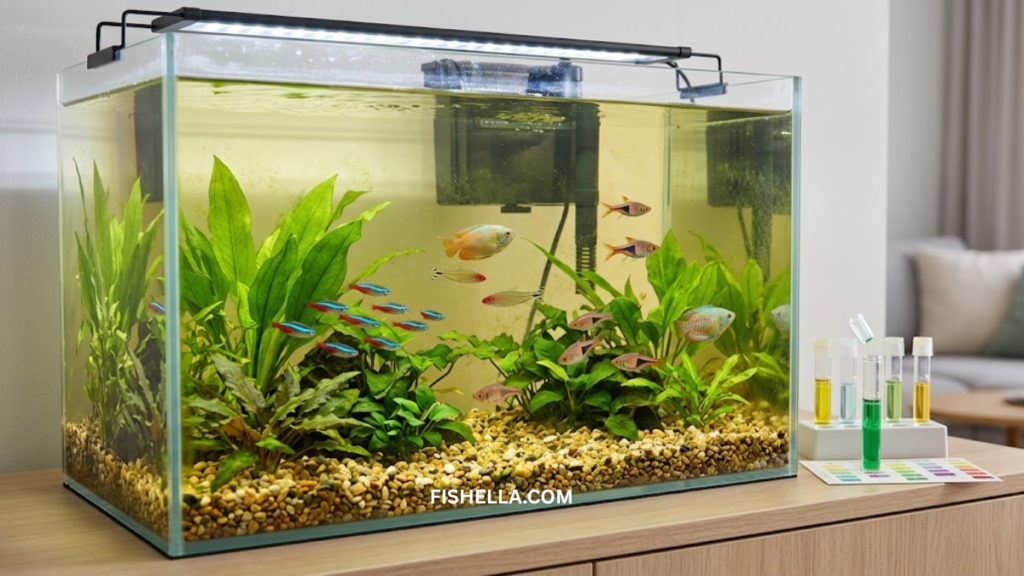
Tap water varies a lot from place to place. Some areas have soft water, some have hard water, and some have a different pH. Your disinfectant may also differ from your neighbor’s town. Your local water quality report can tell you more, and a basic test kit can show you what your tap water looks like for pH, hardness, and ammonia. Our fish tank water quality guide explains how to read those results and what they mean for your fish.
How to Prepare Tap Water for a Fish Tank Water Change
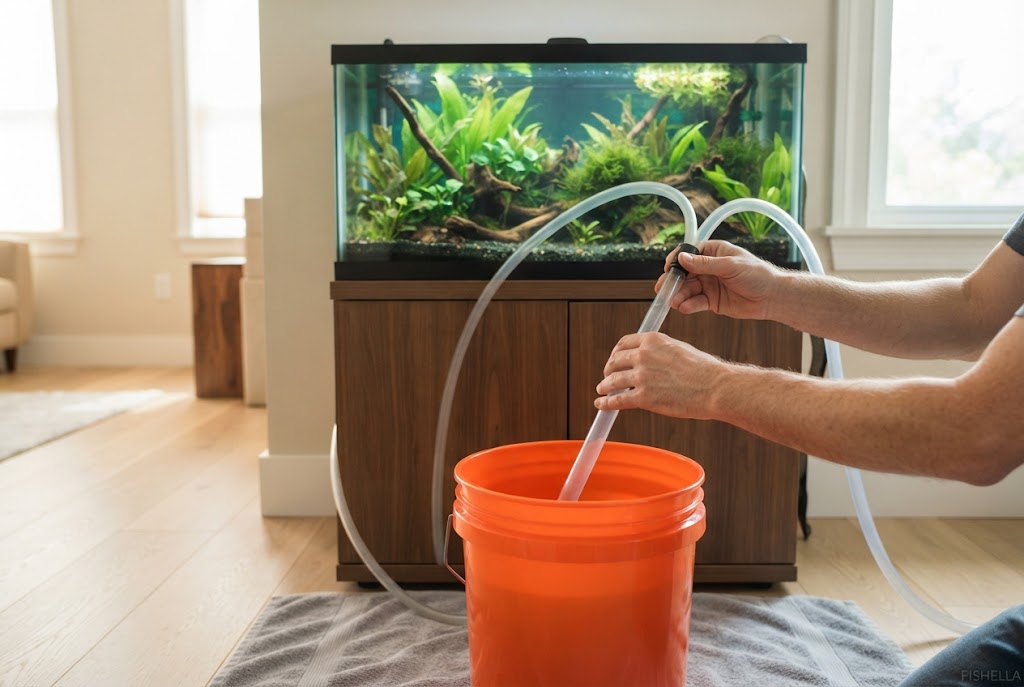
Treating tap water for aquarium use doesn’t take long once you have a routine. Here’s a simple checklist.
- A clean container. Use a bucket you only use for the aquarium. Avoid soap or cleaners.
- Tap water. Fill it to the amount you plan to replace.
- Water conditioner. Dose it for the volume of water you’re adding, following the label.
- Temperature. Adjust with warm or cool tap water until it’s close to the tank.
- Replacement amount. Many beginners change around 10 to 25 percent of the tank weekly, though your needs depend on your fish and stocking. Our fish tank water changes guide covers this in more detail. Regular changes also help you stay ahead of algae, and our algae control guide and how to remove algae from aquarium article go deeper.
- Gentle addition. Pour slowly. If you’re also cleaning, our guide on how to clean a fish tank walks you through it.
Common Mistakes When Dechlorinating Aquarium Water
Adding untreated tap water straight to the tank. This is the biggest one. Even a small amount can stress fish and harm bacteria.
Ignoring chloramine. Many beginners rely on letting water sit, which can fail if chloramine is present. Check what your utility uses.
Overdosing or underdosing conditioner. Follow the label. Too little may leave the water unsafe. Too much wastes product and isn’t helpful.
Using water at the wrong temperature. Big swings in temperature can shock fish.
Assuming all tap water is the same. Your water may differ a lot from a friend’s across town or across the country.
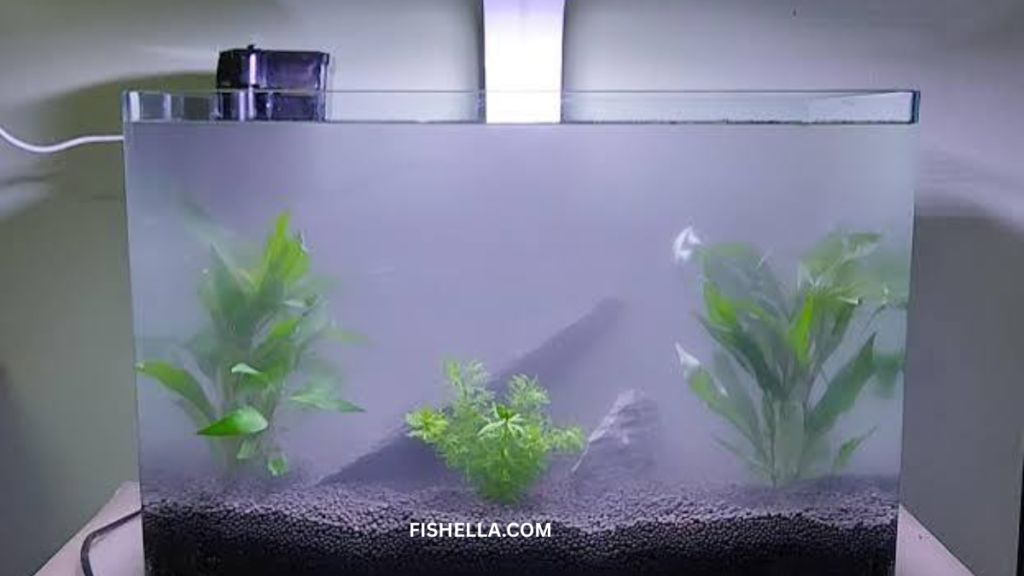
Changing too much water unnecessarily. Huge, frequent changes can swing your water parameters. Steady, moderate changes are usually safer. This matters most with a brand-new tank that looks cloudy. Constant water changes are not the answer there, so see our guide on how to clear cloudy water in a newly set up fish tank.
Frequently Asked Questions
Can I put tap water directly into my fish tank?
Not without treating it first. Untreated tap water can contain chlorine or chloramine, which can harm fish and beneficial bacteria. Treat it with a conditioner before it goes in.
How long should tap water sit before adding it to an aquarium?
There is no one set time. Chlorine may leave standing water over hours or days, depending on conditions, but chloramine may not leave reliably. A water conditioner is the safer choice.
Does boiling tap water remove chlorine?
Boiling can remove chlorine, but it is slow and impractical for regular water changes. It is not a dependable way to handle chloramine.
Does letting tap water sit remove chloramine?
Not reliably. Chloramine is more stable than chlorine and can stay in water for a long time. Use a conditioner designed to handle it.
What is the easiest way to dechlorinate aquarium water?
A liquid aquarium water conditioner that handles both chlorine and chloramine. It’s fast, affordable, and easy to measure.
Can chlorine kill aquarium fish?
Yes. Chlorine can damage fish gills and cause serious stress, and enough exposure can be fatal. If you think this has already happened, use our fish dying emergency checklist.
Can chlorine harm beneficial bacteria?
Yes. Chlorine and chloramine can harm the helpful bacteria in your filter and tank, which can lead to ammonia problems.
Do I need water conditioner for every water change?
Yes, if your tap water contains chlorine or chloramine. Treat all new water before it goes into your tank.
Final Takeaway
Knowing how to dechlorinate tap water for aquarium use comes down to a few simple steps. Find out what your utility adds, use a conditioner made for chlorine and chloramine, follow the label, match the temperature, and add the water gently. Skip shortcuts like waiting a set number of hours, because tap water varies. If you want to keep learning, check our guides on freshwater aquarium setup and fish tank water quality next.
Pingback: Betta Breathing Heavily? 7 Causes and Fast Fixes
Pingback: How to Acclimate a Betta Fish to a New Tank