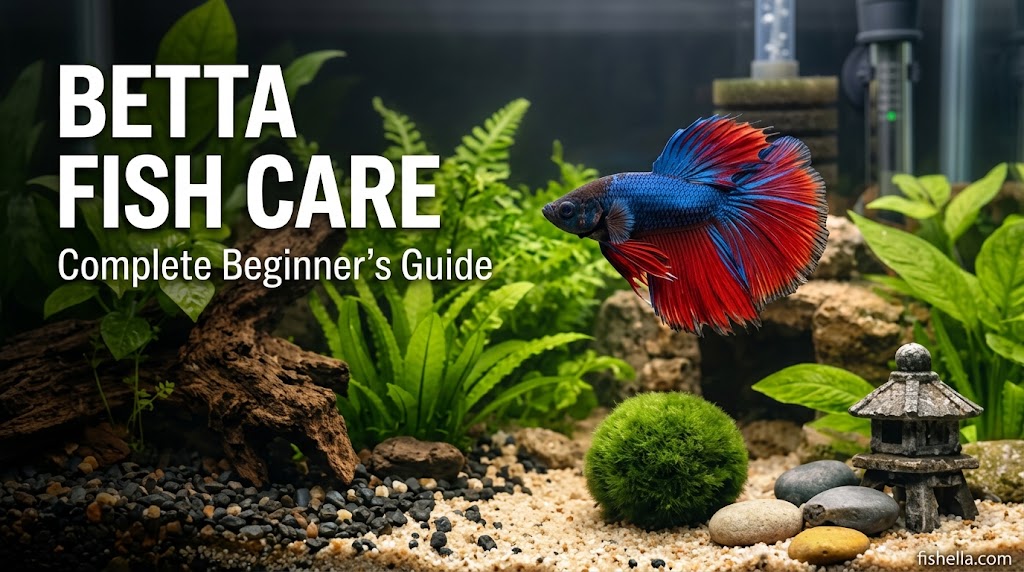

Betta Fish and snails often make a good pairing, but the right snail and the right setup make all the difference. Many bettas ignore snails, while a few nip at their antennae or hunt the small ones. This guide explains which snails suit a betta tank, what risks to expect, and how to introduce them safely.
For a complete overview of proper feeding, tank setup, water quality, and daily care, read our Betta Fish Care Guide.
Can Betta Fish and Snails Live Together?
In most tanks, yes, betta fish and snails get along well. Snails move slowly, stay near the bottom and the glass, and rarely look like a rival to a betta. Still, every betta has its own personality. A snail that suits one tank may attract harassment in another, so watch the first few days closely.
Snails also bring some benefits. They eat leftover food and soft algae, and they add movement to the lower part of the tank. However, they produce waste too, so they add to your maintenance work rather than replace it.
- They clean up leftover food and soft algae
- They add interest at the bottom of the tank
- They suit small tanks better than many fish do
Learn about compatibility, potential risks, and safe tank-sharing tips in our guide: Can Betta Fish Live With Ghost Shrimp? Risks & Tips.
Best Snails for a Betta Fish Tank
Choose snails that tolerate warm water and have a hard, protective shell. These are the most common options, along with their strengths and weak points.
- Nerite snails: These snails graze algae well and stay a manageable size. They cannot breed in freshwater, since their larvae need brackish water, though they may leave hard white egg spots on surfaces. They also climb out of open tanks, so keep a lid on (Neritidae).
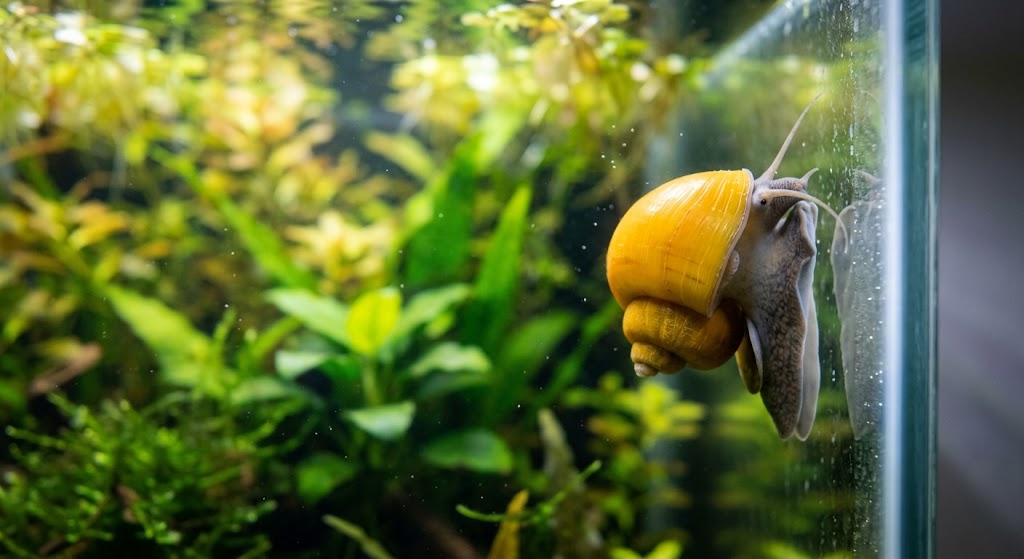
- Mystery snails: These larger snails come in yellow, blue, brown, and other colors, and Pomacea bridgesii is a common species. Their long antennae can tempt a curious betta fish, so watch for nipping.
- Ramshorn and bladder snails: They often arrive on live plants and multiply quickly. Some bettas eat the babies.
- Malaysian trumpet snails: They burrow in the substrate and reproduce fast when food is plentiful.
- Assassin snails: They hunt other snails, so they control pest snails but do not belong with snails you want to keep.
Risks to Watch For
Even a good pairing of betta and snails carries a few risks, and knowing them helps you react quickly. If snail numbers jump, the usual cause is too much food, so review our betta overfeeding guide.
- Antenna nipping: A betta fish may bite long antennae. Remove the snail if the damage continues.
- Eaten babies: Bettas often eat tiny snails, so very small snails face the most danger.
- Extra waste: Snails add to the tank’s bioload, so test the water often.
- Medication danger: Copper-based medicines can kill snails, so read labels before you treat the tank.
Why Some Bettas Attack Snails
Bettas are curious carnivores that investigate anything that moves. A snail’s waving antennae can look like prey, and a few bettas keep testing it. Many fish learn that a snail is not food and then leave it alone, but you can improve the odds with a few simple choices.
- Provide plants and décor that give the snail cover
- Feed the betta well so hunger does not drive nipping
- Choose a hard-shelled snail with short antennae, such as a nerite
- Skip very small snails if your betta hunts
Tank Setup for Betta Fish and Snails
Provide at least 5 gallons for a betta fish with a single snail, and aim for 10 gallons if you want room to spare. The tank also needs a lid, because both nerite snails and bettas escape through gaps. Warm water in the high 70s°F suits both animals well.
- Calcium and pH: Snail shells need minerals. Very soft, acidic water can erode shells, so test your water and consider a calcium source such as cuttlebone.
- Airspace: Mystery snails breathe air through a siphon, so leave a gap between the water and the lid.
- Food: Offer algae wafers or blanched vegetables like zucchini once or twice a week, then remove leftovers.
- Space: Read our best tank size for betta guide to plan for the extra animals.

How to Introduce a Snail
Before you mix betta and snails, remember that new snails can carry pests or parasites on their shells and on the plants that come with them. A careful introduction protects both animals and gives you time to spot trouble early.
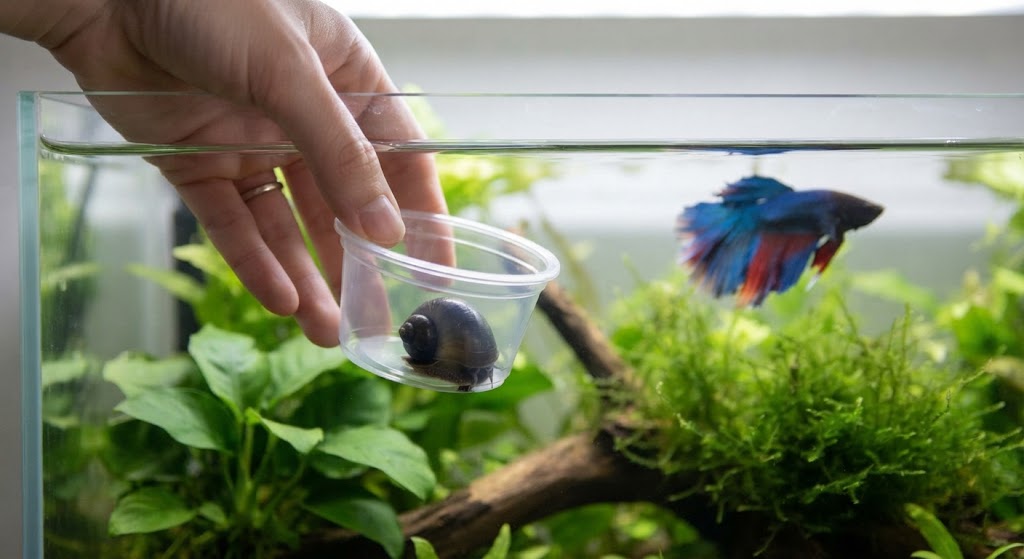
- Quarantine new snails for a week or two in a separate container
- Rinse live plants and check them for hitchhiker eggs
- Acclimate the snail slowly by adding small amounts of tank water over about 30 minutes
- Watch for chasing or nipping during the first week
- Keep a backup container ready in case you need to separate them
Signs the Pairing Is Not Working
Most problems show up in the first week. Act early, because stress hurts both animals.
- Your betta chases the snail repeatedly
- The snail’s antennae look short, torn, or damaged
- The snail stays sealed in its shell for days
- Ammonia climbs after you add the snail
If you notice any of these signs, move the snail to a separate container and try again later or choose a different species. Remove any dead snail right away, because it fouls the water quickly. Many common aquarium snails live only a year or two, so check them regularly.
Frequently Asked Questions
Will a betta eat a mystery snail?
An adult mystery snail is usually too large and well protected, though a betta may still nip its antennae. Small snails face much more risk.
How many snails can I keep with one betta?
Start with one or two in a 5-gallon tank, and test the water to see whether it handles the extra waste. A larger tank gives you more room to add a third snail.
Do snails need extra food in a betta and snails tank?
Snails often find leftover betta food and algae on their own. If you see them hunting constantly, add an algae wafer or a blanched vegetable once or twice a week.
Final Thoughts
Betta and snails can share a tank when you choose the right species and give them space. Nerite and mystery snails suit most setups, as long as you keep an eye on antennae and water quality. For more companion ideas, browse our betta fish tank mates guide, and read the FishBase Betta splendens profile to understand your fish’s natural behavior.