
How big do common goldfish get? Common goldfish often reach 10 to 12 inches long in suitable conditions. Some grow larger, depending on genetics, diet, water quality, and available space. Although pet stores often sell small goldfish, these fish can become much larger as they mature.
Quick answer: Plan for a common goldfish to reach at least 10 to 12 inches. Some individuals grow larger. A spacious, well-filtered aquarium or suitable pond helps support healthy growth throughout their lives.
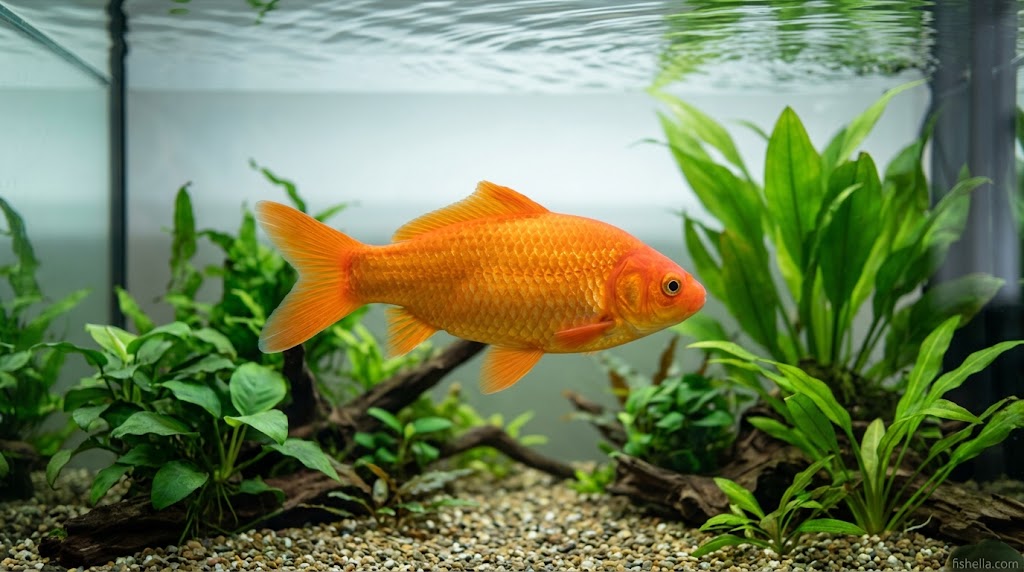
How Big Do Common Goldfish Get as Adults?
Understanding how big do common goldfish get helps you choose an aquarium or pond that suits their adult size. Common goldfish have long, streamlined bodies and a single tail fin. They usually grow larger than many fancy goldfish varieties.
Adult size varies among individual fish. Many care guides report sizes around 10 to 12 inches, while some fish grow beyond that range. Genetics and living conditions influence their final size.
| Growth stage | Typical size or development |
|---|---|
| Juvenile goldfish | Often about 1.5 to 3 inches in pet stores |
| Young goldfish | Continues growing, especially during the early years |
| Adult common goldfish | Often around 10 to 12 inches, sometimes larger |
These figures are general estimates, not guaranteed sizes. A goldfish’s age, genetics, diet, and environment affect its growth.
What Affects Common Goldfish Growth?
Genetics, diet, water quality, and swimming space all influence how big do common goldfish get as they mature.

1. Aquarium or Pond Space
Common goldfish need enough room to swim and develop normally. A larger, properly maintained environment also provides more water volume to help manage waste.
2. Water Quality
Poor water quality can damage a goldfish’s health and interfere with normal growth. Keep ammonia and nitrite at 0 ppm, monitor nitrate, and perform regular water changes.
3. Diet and Feeding
Feed a balanced goldfish diet in appropriate portions. Include suitable goldfish pellets and other compatible foods when appropriate. Avoid overfeeding because leftover food increases waste and can harm water quality.
4. Genetics
Some common goldfish naturally grow larger than others. Their inherited traits help determine their body size, growth pattern, and overall development.
5. Age and Temperature
Goldfish continue developing as they mature. Water temperature influences their activity, metabolism, and growth rate, so maintain conditions suitable for goldfish rather than trying to speed up growth.
Maintaining suitable water conditions is essential for fish health; consult the Merck Veterinary Manual for additional veterinary information about animal health and care.
Do Goldfish Only Grow to the Size of Their Tank?
No. This is a common misconception. Poor living conditions may stunt a goldfish’s growth, but stunting can also harm its health and development.
Do not keep a goldfish in a small tank to control its size. Instead, provide enough space, suitable water conditions, and proper nutrition.
Common Goldfish vs. Comet and Fancy Goldfish:
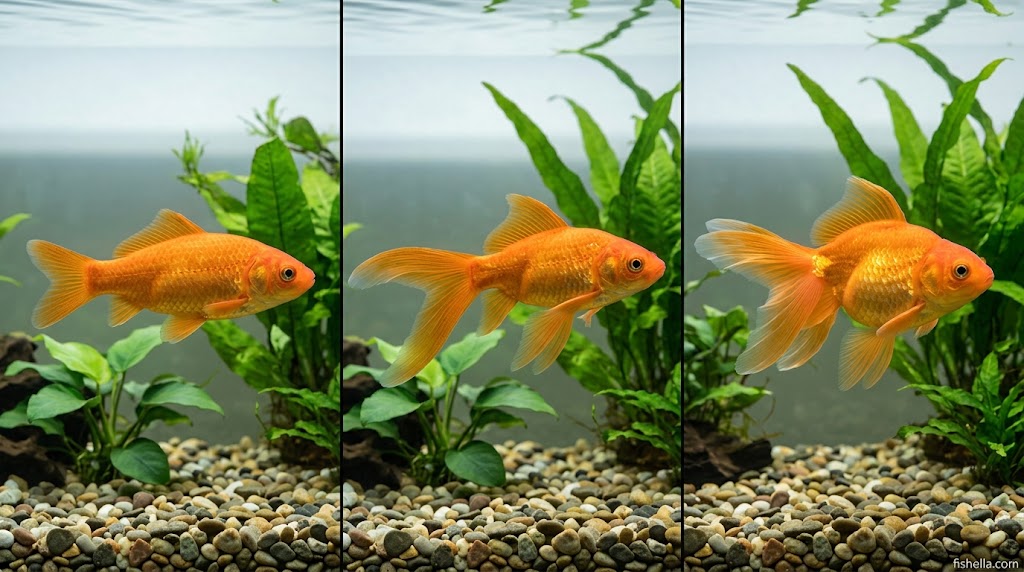
Different goldfish varieties have different body shapes, swimming abilities, and care needs.
| Goldfish type | Body and tail | Swimming and size |
|---|---|---|
| Common goldfish | Streamlined body with a single tail | Active swimmer; can reach a large adult size |
| Comet goldfish | Streamlined body with a longer, flowing single tail | Active swimmer; can also grow large |
| Fancy goldfish | Usually rounded body with a double tail | Many varieties swim more slowly and have different care needs |
Common and comet goldfish often swim faster than fancy varieties. Mixing them can create feeding and competition problems, especially when slower fish struggle to reach food.
For a broader overview of goldfish care, read our complete goldfish care guide.
How Much Space Does a Common Goldfish Need?
Common goldfish need substantially more space than their small store-bought size suggests. Tank-size recommendations vary, so consider the fish’s expected adult size, swimming needs, filtration, and maintenance requirements.

Some general care guides recommend 55 gallons or more for one adult common goldfish, while other recommendations call for 100 gallons or larger setups. A suitably sized pond can be a better long-term home for these active fish.
Treat these numbers as starting points rather than universal guarantees. A larger fish or a growing goldfish may need more space. Goldfish need appropriate housing, filtration, and regular maintenance to stay healthy; read this veterinary guide to goldfish care for additional advice.
Before buying one, plan for:
- A spacious aquarium or suitable pond.
- Strong, reliable filtration that can handle goldfish waste.
- A fully cycled aquarium before introducing the fish.
- Regular water testing and partial water changes.
- Enough swimming space as the fish grows.
New aquarium owners can learn more from our guides on how to cycle a fish tank and how to choose an aquarium filter.
Can Common Goldfish Live in a Bowl?
A bowl is not a suitable long-term home for a common goldfish. Small bowls offer limited swimming space and water volume, making it harder to maintain stable, healthy conditions.
Read our guide on whether goldfish can live in a bowl before choosing a home for your fish.
How Long Do Common Goldfish Live?
Goldfish can live for many years with suitable care. Veterinary education resources report lifespans of around 10 to 15 years under proper conditions, although individual lifespans vary.
Good water quality, a suitable environment, balanced feeding, and early attention to health problems can support a longer life.
Before buying a common goldfish, consider whether you can provide the space and maintenance it may need for many years. Goldfish can live for many years with suitable care, so consider their long-term needs before buying one; see this university research resource on goldfish for further background.
What Should You Know Before Buying a Common Goldfish?
A small goldfish may look suitable for a starter aquarium, but its adult size requires careful planning.
Before bringing one home:
- Choose an aquarium or pond suitable for its long-term needs.
- Budget for filtration, water testing, food, and maintenance.
- Research local rules if you plan to keep goldfish outdoors.
- Never release unwanted goldfish into lakes, rivers, or other natural waterways.
- Plan for the fish’s adult size instead of choosing a setup based on its current length.
Responsible planning helps protect both your fish and the environment.
Frequently Asked Questions
How fast do common goldfish grow?
If you want to know how big do common goldfish get, remember that growth varies with age, genetics, and care conditions.
Do common goldfish grow to 12 inches?
Many common goldfish reach around 10 to 12 inches in suitable conditions. Some grow larger, so plan for a potentially larger adult fish.
How big do comet goldfish get?
Comet goldfish can also grow large, often reaching around 10 to 12 inches or more. Their longer tails distinguish them from common goldfish.
What size tank does one common goldfish need?
Recommendations vary. Some guides suggest at least 55 gallons for one adult, while larger setups may be more appropriate. Consider the fish’s adult size, filtration, swimming space, and water quality.
Can common goldfish live with fancy goldfish?
This combination is generally not recommended. Common goldfish swim faster and may outcompete slower fancy goldfish for food. Differences in swimming ability and body shape can also complicate care.
Can a small tank keep a goldfish small?
A small tank does not safely control a goldfish’s adult size. Poor conditions can stunt growth and harm the fish. Provide suitable space and healthy water instead.
Conclusion
Common goldfish often grow to 10 to 12 inches long, and some become larger. Their adult size, active swimming habits, and long lifespan make them a significant commitment.
Choose a spacious aquarium or suitable pond, maintain excellent water quality, and provide a balanced diet. Planning for adult size from the beginning helps your goldfish stay healthier as it grows.
Pingback: Can Goldfish Live in a Bowl? What Experts Advise