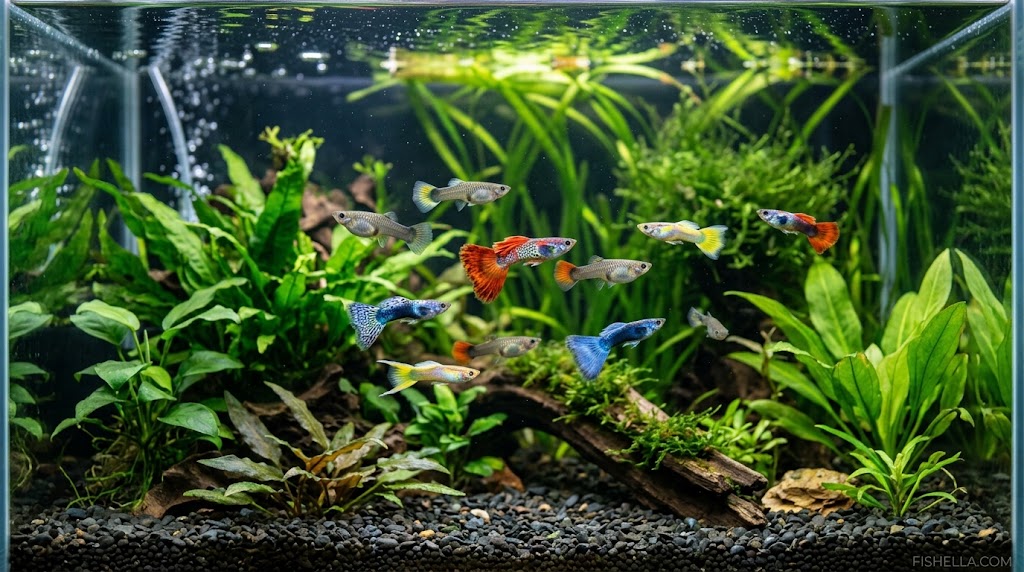
How long do guppies live? Guppies typically live 2–3 years in a well-maintained home aquarium, although some live longer and others die much sooner. Their lifespan depends on genetics, water quality, diet, stress, and breeding conditions. With consistent care, you can help your guppies stay healthy throughout their lives.
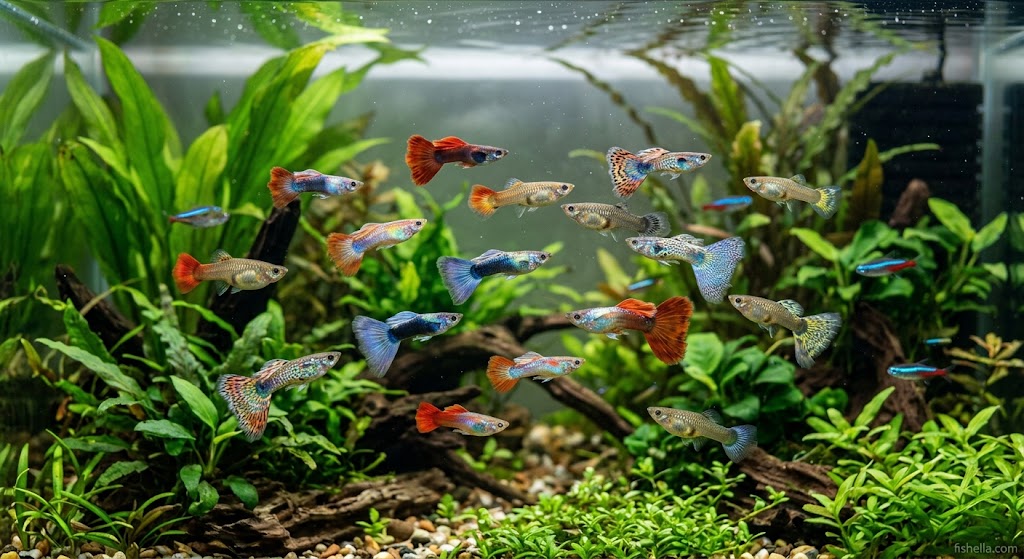
Guppy Lifespan: How Long Do Guppies Live?
Most aquarium guppies live around two to three years. However, there is no guaranteed lifespan for every fish. If you want to know how long do guppies live in a tank, remember that their age, genetics, and living conditions all play a role.
Some guppies have weaker genetics or arrive at pet stores already several months old. Others experience stress, poor water quality, or disease that shortens their lives.
Wild guppies also face predators, food shortages, and changing environmental conditions. Their lifespan varies with habitat and other factors.
Why Shop Guppies Die Young
Some guppies die within months of purchase, even when their owners try to care for them properly. Several factors may explain this.
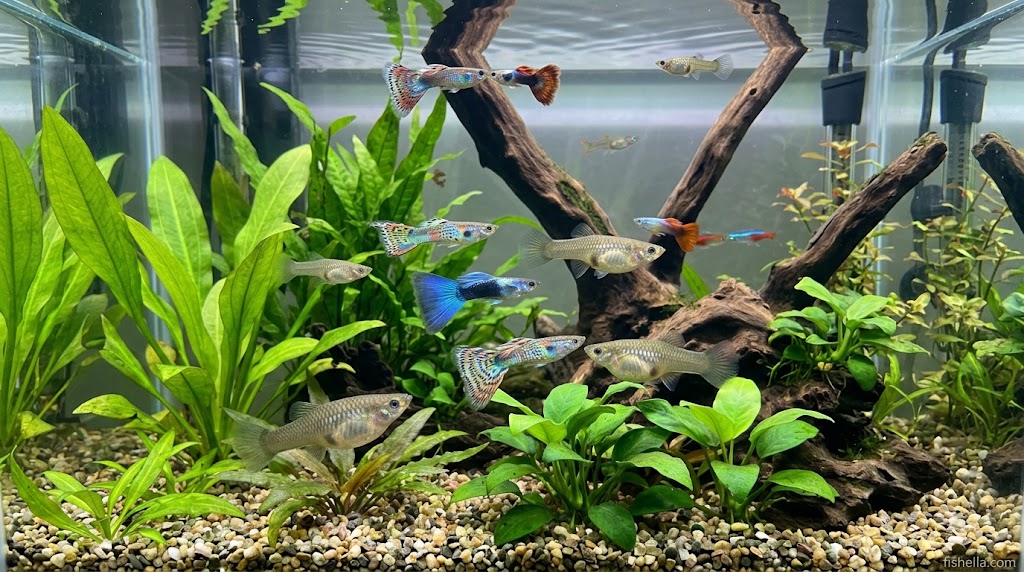
- Poor water quality: Ammonia and nitrite can harm fish, especially in uncycled aquariums.
- Sudden changes: Rapid shifts in temperature or water chemistry can cause stress.
- Overfeeding: Uneaten food decomposes and contributes to poor water quality.
- Disease or previous stress: Fish may arrive with infections or weakened health.
- Transport stress: Moving between breeding facilities, shops, and home aquariums can place additional stress on guppies.
Test the water when fish become sick or die unexpectedly. Keep ammonia and nitrite at 0 ppm, and avoid sudden changes during maintenance. Poor water quality can harm fish, so follow reliable aquarium fish care and management guidance
Why the Fancy Strains Are Frailer
Fancy guppies are bred for attractive colors, large tails, and distinctive patterns. Selective breeding can reduce genetic diversity in some lines, particularly when closely related fish are repeatedly bred.
However, not every fancy guppy is fragile. Health depends on the breeder’s practices, genetics, and the conditions in which the fish were raised.
When buying guppies, choose active fish with intact fins, clear eyes, and normal swimming behavior. Ask the breeder about their breeding practices and any recent health problems. If you’re raising newborn guppies, read our complete guide to baby guppy care to learn about fry feeding, safe tank setup, water changes, and healthy growth.
Learn how to recognize common signs of illness, identify unusual behavior, and understand when your fish may need help with our Guppy Symptoms Guide.
Males, Females, and the Cost of Reproduction
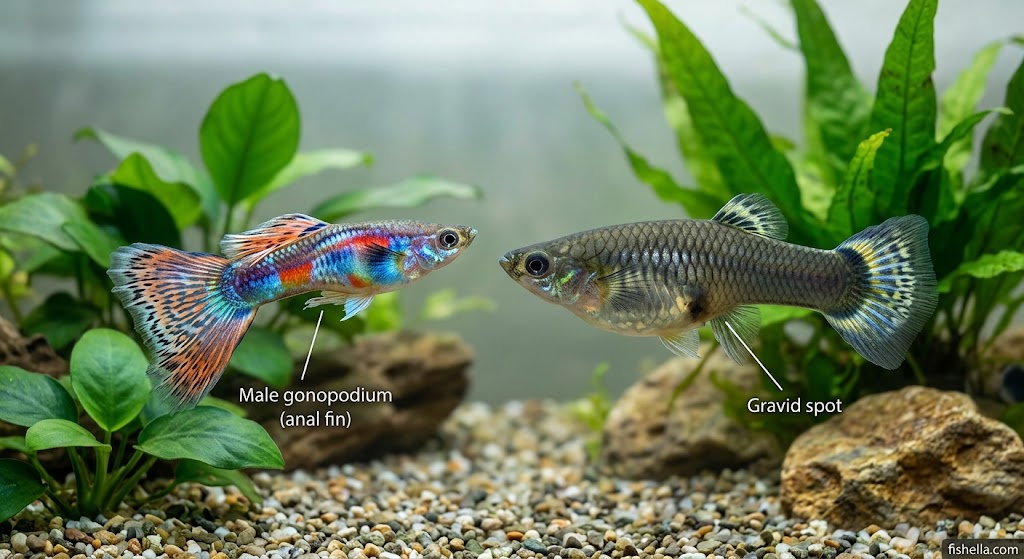
Male and female guppies can both live around two to three years, but individual lifespans vary. Females may experience additional physical demands from repeated pregnancies and giving birth. Male and female guppies can have different reproductive demands. Learn how to distinguish them by reading our guide to male vs. female guppies
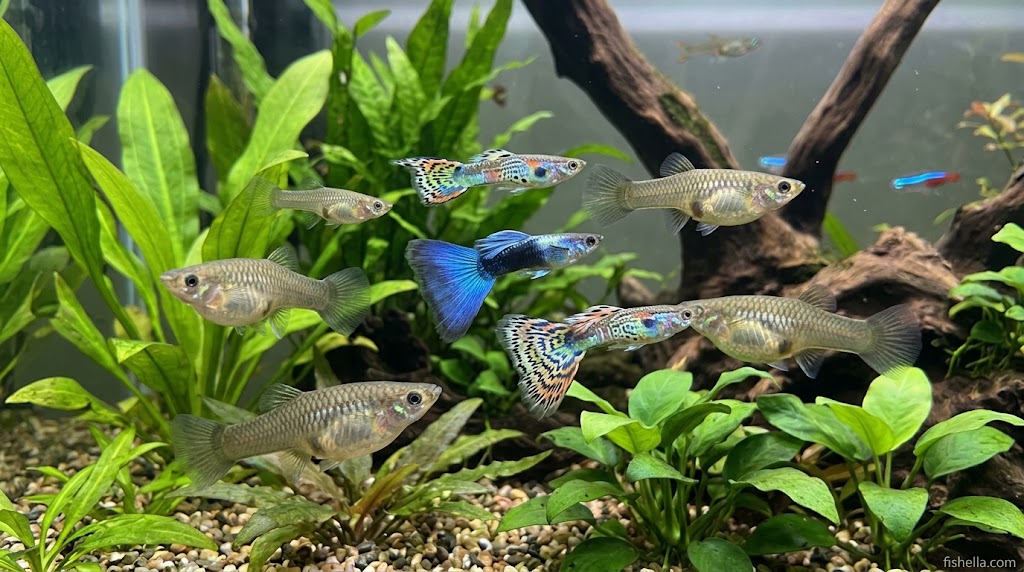
Male guppies may constantly pursue females, causing stress when the tank has too few females or limited hiding places.
To reduce breeding-related stress, consider these options:
- Keep a single-sex group if you do not want fry.
- If keeping both sexes, aim for approximately one male per three females.
- Provide plants and hiding places so females can escape unwanted attention.
Remember that females can store sperm, so a female-only tank may still produce fry after males have been removed.
What Actually Extends a Guppy’s Lifespan
Good care cannot guarantee a particular lifespan, but it reduces preventable risks.
Maintain stable water conditions. Keep ammonia and nitrite at 0 ppm, and keep nitrate low through routine maintenance. A pH around 6.8–7.8 can suit many guppies when conditions remain stable. To keep your aquarium filter working properly without disrupting beneficial bacteria, learn how to clean an aquarium filter sponge without killing beneficial bacteria.
Choose a suitable temperature. A range around 72–78°F works for many guppy setups. Avoid sudden temperature changes and prolonged exposure to unsuitable conditions.
Perform regular water changes. Replace about 20–30% of the water weekly as a starting point, adjusting the schedule to tank size, stocking, and test results. Use dechlorinated water with a suitable temperature.
Feed a balanced diet. Use quality tropical fish flakes or small pellets as the staple. Offer suitable frozen or live foods, such as brine shrimp or daphnia, occasionally. Feed small portions and remove uneaten food.
Choose healthy fish. A reputable breeder may provide better information about a guppy’s age, health, and lineage. Avoid fish showing signs of illness.
Prevent overcrowding and aggression. Provide adequate swimming space, filtration, and plants or other safe cover. Monitor the fish for bullying and signs of stress.
To help guppies live longer, maintain clean water, feed a balanced diet, and prevent stress. For a broader setup guide, read the Guppy Fish Care: Complete Guide.
What Ageing Looks Like
Older guppies may swim more slowly, become less active, or show reduced reproductive activity. Their colors may also change with age.
However, these signs do not always mean a guppy is simply getting old. Poor appetite, clamped fins, rapid breathing, unusual swimming, or sudden weight loss can indicate illness or poor water conditions.
Check the water and observe the fish closely when behavior changes. Do not assume a sick guppy is dying of old age. Learn more about fish health and proper aquatic care through UF/IFAS Extension’s educational resources
Before You Buy
Choose guppies that swim actively, respond to their surroundings, and have healthy-looking fins and bodies. Avoid tanks containing multiple sick or dead fish.
Ask the seller how old the fish are, what they eat, and whether they have recently shown signs of disease. A trustworthy seller should answer these questions clearly.
Prepare a cycled aquarium before bringing new fish home. Stable water conditions and a gradual acclimation process help reduce the stress of moving.
Common Questions
Can guppies live for five years?
Some may live longer than the typical two-to-three-year range, but five years is not a reliable expectation for most aquarium guppies.
Do male or female guppies live longer?
Neither sex always lives longer. Genetics, health, and care matter, while repeated pregnancies may place extra demands on females.
Why do guppies die after a few months?
Possible causes include poor water quality, disease, transport stress, unsuitable tank conditions, and weak genetics. Test the water and review recent changes before assuming one cause.
Does cooler water help guppies live longer?
Not necessarily. Guppies need a suitable, stable temperature. Keeping them too cold can cause stress, so do not lower the temperature solely to try to extend their lifespan.
How often should I change guppy tank water?
A weekly partial change of around 20–30% is a reasonable starting point for many tanks. Adjust it according to water tests, stocking levels, and aquarium conditions.
Final Thoughts
Guppies typically live two to three years, but their health and lifespan depend on several factors. Keep their water clean and stable, provide a balanced diet, avoid overcrowding, and reduce breeding stress. These simple habits give your guppies a better chance of living a healthy life.