
Disclosure: This post contains Amazon affiliate links. If you buy through them, Fishella may earn a small commission at no extra cost to you. This helps us keep testing and writing honest guides for the US fishkeeping community.
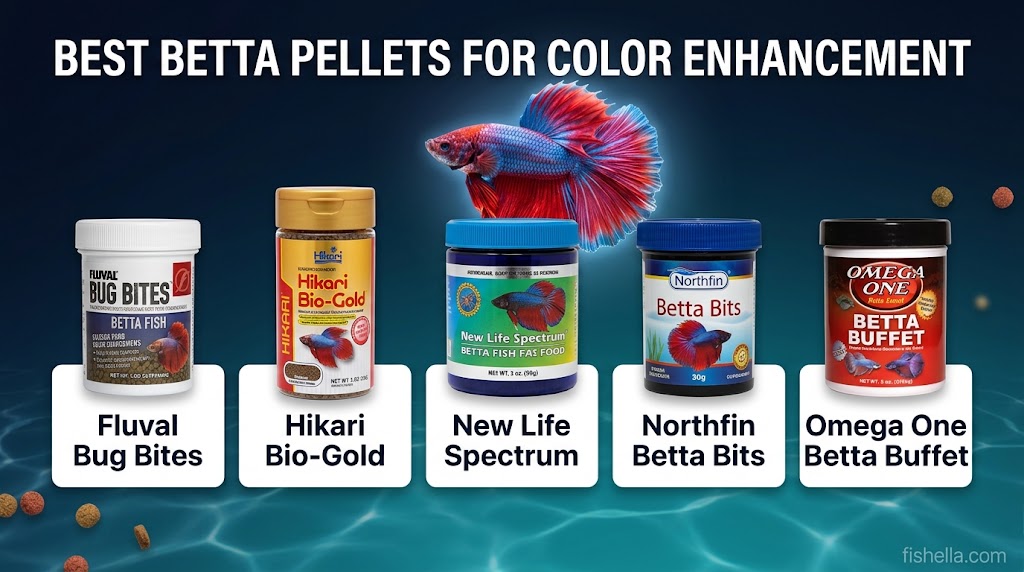
Best betta pellets for color enhancement can help bring out your fish’s natural red, blue, and purple fin colors when they provide balanced nutrition and suitable pigments. In this guide, we compare the top 5 betta pellets for 2026, focusing on high-quality marine proteins, natural color-enhancing ingredients like astaxanthin, and overall nutritional value. You’ll learn which options may support more vivid fins while keeping your betta healthy.
Can Food Really Make a Betta’s Colors Brighter?
Yes, to a point. Genetics set your betta’s potential color, but diet decides whether it reaches it. Bettas can’t produce carotenoid pigments on their own, so they get them from food. A betta eating a bland, filler-heavy diet often looks faded, while one fed pigment-rich pellets usually shows richer reds, oranges, and iridescent sheen.
The key nutrients are astaxanthin (a carotenoid found in krill, shrimp, and algae), spirulina, and high-quality marine protein. If you want a full overview of feeding basics, start with our best betta fish food guide, then come back here for color-focused picks.
What to Look for in a Color-Enhancing Betta Pellet
1. Whole-protein first ingredients. Look for krill, black soldier fly larvae, shrimp, or salmon at the top of the list. Avoid pellets that lead with wheat flour, corn, or soy.
2. Natural color boosters. Astaxanthin, spirulina, and krill meal are the big three. Natural sources are generally better absorbed than artificial dyes.
3. Small pellet size. Bettas have tiny mouths. Pellets around 1 mm are easiest to eat and digest.
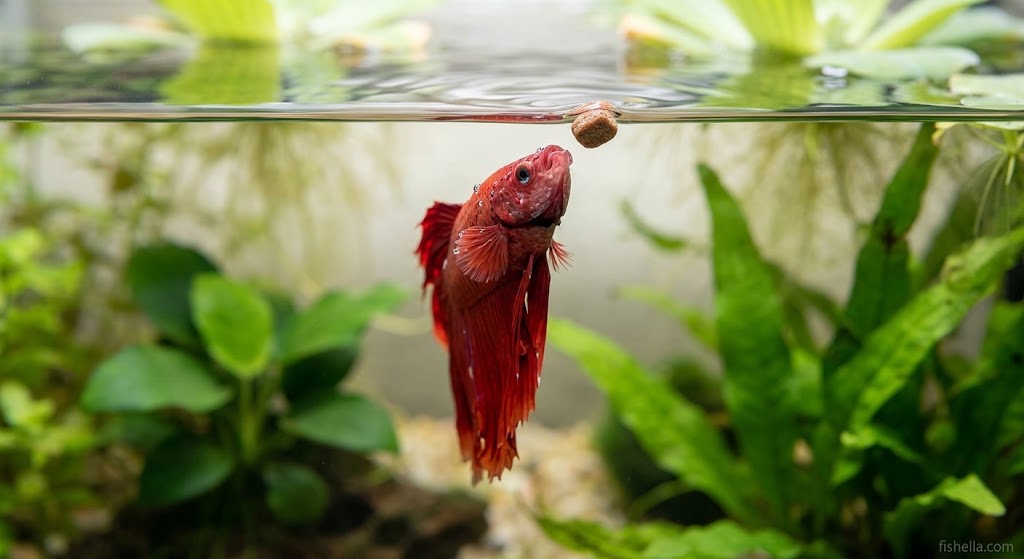
4. Floating or slow-sinking pellets. Bettas are top-feeders, so floating or slow-sinking pellets are less likely to be missed and left to foul the tank.
5. Low filler content. Fewer fillers means less waste and a healthier betta.
Top 5 Betta Pellets for Color Enhancement
1. Fluval Bug Bites Betta Formula: Best Overall for Color
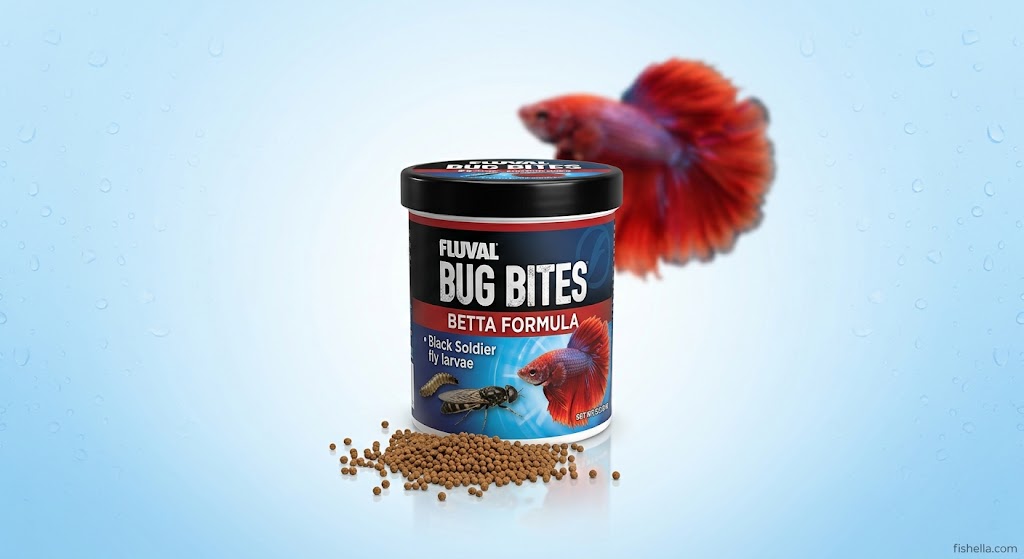
Fluval’s Bug Bites uses black soldier fly larvae as the main protein, which many bettas find irresistible. The formula is also fortified with color-supporting ingredients, and the pellets are small enough for even young bettas. It’s a great daily staple for owners who want both nutrition and vibrancy.
Best for: Everyday feeding and picky eaters.
Check Fluval Bug Bites Betta on Amazon
2. Hikari Betta Bio-Gold: Best for Vivid Reds

A long-time favorite among US betta keepers. Hikari’s Bio-Gold pellets float and soften quickly in water, which helps prevent bloating. They’re formulated specifically to bring out natural color, making them popular with owners of red, orange, and multicolor bettas.
Best for: Boosting reds and oranges.
Check Hikari Betta Bio-Gold on Amazon
3. New Life Spectrum Betta Formula: Best Premium Pick

New Life Spectrum uses a high percentage of marine ingredients and includes natural color enhancers and garlic to support appetite and immunity. It’s a pricier option, but a little goes a long way, and many keepers report excellent results over several weeks.
Best for: Serious hobbyists and show-quality bettas.
Check New Life Spectrum Betta Formula on Amazon
4. Northfin Betta Bits: Best Krill-Based Formula

Northfin’s pellets are built around Antarctic krill and other marine ingredients with minimal filler. Krill is a rich natural source of astaxanthin, so this is a strong choice if color is your top priority.
Best for: Deepening blues, reds, and metallic sheen.
Check Northfin Betta Bits on Amazon
5. Omega One Betta Buffet Pellets: Best Budget-Friendly Option

Omega One bases its recipe on real salmon and offers a solid blend of protein and omega fatty acids. It’s an affordable way to get color-supporting nutrition without paying premium prices.
Best for: Budget-conscious owners.
Check Omega One Betta Buffet on Amazon
Quick Comparison

| Pellet | Main Protein | Color Boosters | Best For |
|---|---|---|---|
| Fluval Bug Bites Betta | Black soldier fly larvae | Natural color-supporting ingredients | Daily staple |
| Hikari Betta Bio-Gold | Fish meal blend | Color-enhancing formula | Reds and oranges |
| New Life Spectrum Betta | Marine proteins | Astaxanthin, krill, garlic | Premium results |
| Northfin Betta Bits | Antarctic krill | Krill, spirulina | Metallic and deep colors |
| Omega One Betta Buffet | Salmon | Omega fatty acids | Budget buyers |
How to Feed Betta Pellets for the Best Color
- Feed 2 to 4 pellets, once or twice a day. A betta’s stomach is roughly the size of its eye, so overfeeding is the most common mistake.
- Pre-soak pellets for a minute. This reduces bloating and constipation.
- Rotate with variety. Add frozen or freeze-dried bloodworms, brine shrimp, or daphnia a couple of times a week for extra nutrition.
- Fast one day a week. This helps digestion and prevents obesity.
- Be patient. Color changes typically show over 3 to 6 weeks of consistent feeding.
For treats like freeze-dried brine shrimp and bloodworms, see our best betta fish food guide.
Color Starts With the Tank, Too
Even the best pellets can’t make up for poor conditions. Stress, dirty water, and cold temperatures all dull a betta’s color quickly.
- Stable temperature: Bettas thrive at 78 to 80°F. See our best heater for a 5-gallon betta tank.
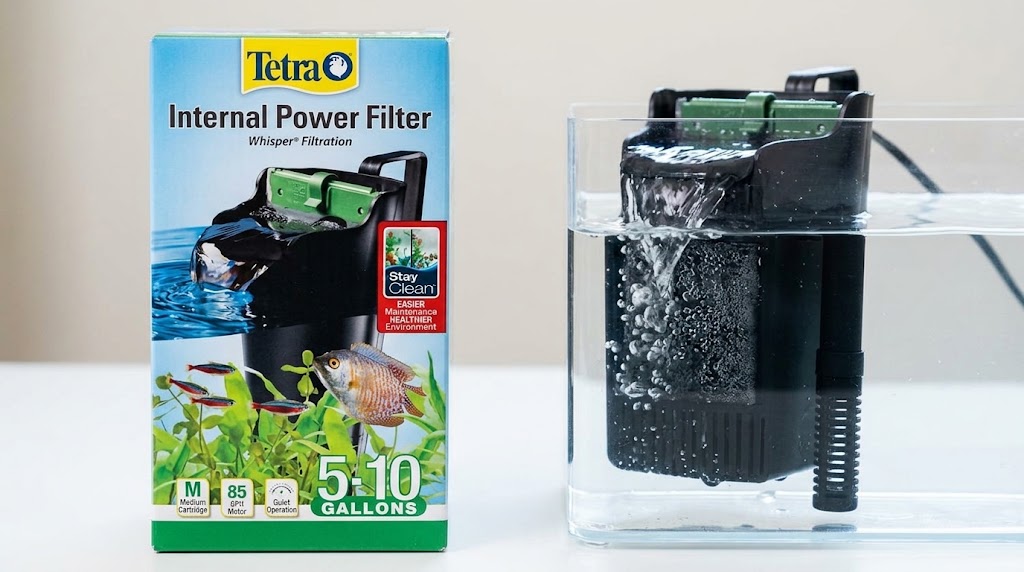
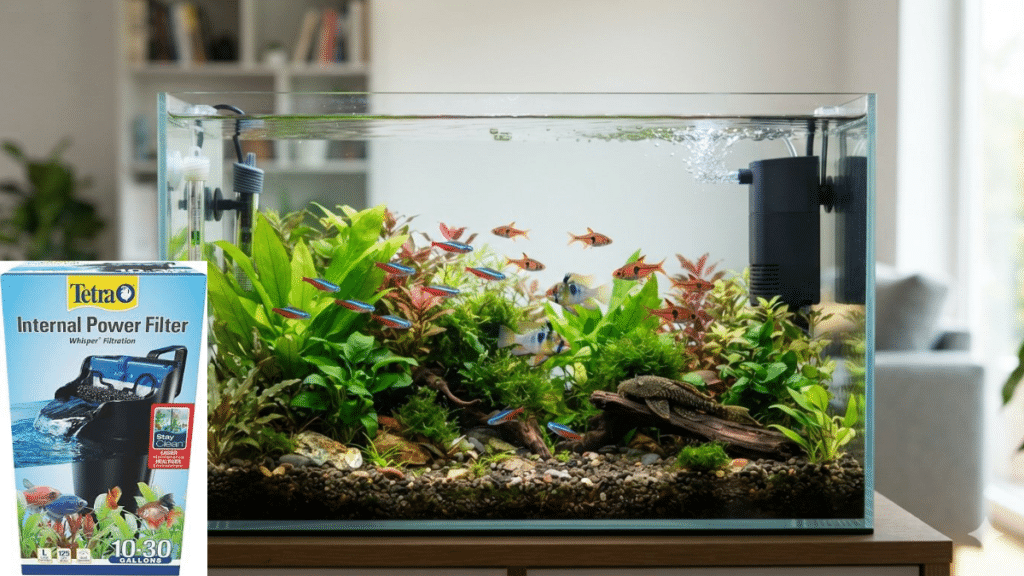
- Gentle filtration: Strong currents stress bettas and fray fins. Check our best filter for a 5-gallon betta tank or the Tetra Whisper 10-gallon filter review. The Tetra Whisper 135 GPH internal power filter is another option for larger setups.
- Clean, conditioned water: Always treat tap water. Here’s our pick for the best aquarium water conditioner.
- Right-sized tank: Bigger tanks are more stable and healthier. Our betta fish tank litres buying guide and best betta fish tank 2026 roundup will help you choose.
- Good lighting and plants: Quality lighting makes colors pop, and live plants reduce stress. See the best aquarium light for planted tanks.
- Starting from scratch? Our best aquarium starter kit guide covers complete setups for beginners.
Learn More About Betta Nutrition and Color
For readers who want to dig deeper, these resources are helpful:
- Betta splendens (Siamese fighting fish) on Wikipedia: background on betta biology, color varieties, and care.
- Astaxanthin on Wikipedia: how this carotenoid works and why it’s used in fish feeds.
- Fluval Aquatics, Hikari USA, and New Life Spectrum: official brand sites with ingredient details and feeding guidance.
Frequently Asked Questions
Do color-enhancing pellets work on all bettas?
They support your betta’s natural pigmentation, but they can’t create colors its genetics don’t carry. Expect richer, healthier-looking color, not a brand-new shade.
How long until I see results?
Usually 3 to 6 weeks of consistent feeding.
Can I mix different pellet brands?
Yes. Rotating two or three quality brands adds nutritional variety.
Are color-enhancing pellets safe for daily feeding?
Yes, when fed in proper portions. Choose natural color sources and avoid overfeeding.
Should I feed only pellets?
Pellets work well as a staple, but supplement with frozen or freeze-dried foods a few times a week.
Final Verdict
If you want one pellet to start with, Fluval Bug Bites Betta Formula is the best all-around choice. For stronger reds, go with Hikari Betta Bio-Gold. For premium, krill-rich nutrition, New Life Spectrum or Northfin Betta Bits are hard to beat. On a budget, Omega One Betta Buffet delivers solid value.
Pair good food with a clean, warm, stress-free tank, and your betta’s colors will have every chance to shine.
Pingback: Best Freeze Dried Bloodworms for Betta: Top 5 Picks (2026)